

In recent years, the manner people pick out nice jewelry has started out to exchange. Buyers are no longer targeted simplest on look or price. More attention is now given to how rings is made, wherein substances come from, and whether or not the method aligns with contemporary values. This shift has placed ethics on the middle of conversations round present day diamond options.
As cognizance will increase, many customers are asking essential questions along with are lab grown diamonds real, and the way do they examine to traditionally sourced stones. With better get entry to to facts, clients are making extra informed picks based on transparency and production practices.
Changing Consumer Priorities
Today’s customers studies extra than ever before. Before creating a buy, many want to apprehend sourcing, production methods, and long-term price. This shift is mainly substantive among younger generations, who prioritize readability and accountability whilst selecting fine jewelry.
Jewelry has evolved into more than a decorative item. It represents personal values and thoughtful decision-making. This mindset has increased interest in lab grown diamond jewelry as an option that aligns with modern expectations.
How Lab Grown Diamonds Are Made
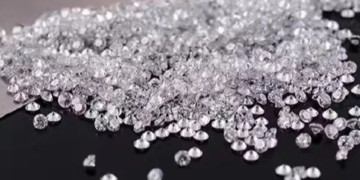
Lab grown diamonds are created in managed environments the usage of superior era that replicates the herbal diamond formation procedure. These diamonds share the same physical, chemical, and optical houses as mined diamonds.
Unlike traditional mining, this process allows consistent quality and traceable production. Buyers appreciate knowing exactly how their diamond was formed, whether it is used in lab grown diamond engagement rings or other fine jewelry pieces.
Transparency and Certification
One of the strongest ethical advantages of lab grown diamonds is transparency. Traditional supply chains can be complex, but lab environments offer clearer documentation and standardized certification.
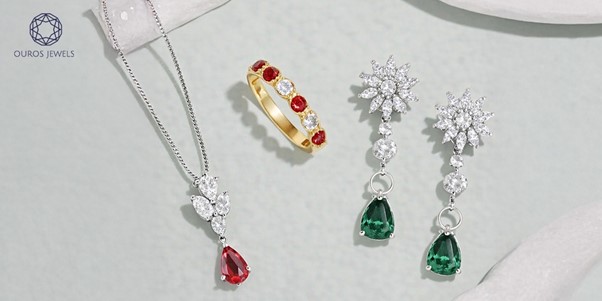
Recognized gemological institutes grade lab grown diamonds using the same criteria applied to mined stones. This consistency gives buyers confidence when choosing items such as lab grown diamond earrings for everyday or occasional wear.
Labor and Production Standards
Ethics also extend to how jewelry is produced. Controlled facilities allow better oversight of working conditions compared to large-scale mining operations across multiple regions.
This production approach appeals to consumers purchasing classic styles like lab grown diamond studs, where quality and accountability are equally important.
Affordability Without Compromise
Ethical choices often align with practical spending. Lab grown diamonds are generally priced lower than mined diamonds of comparable quality, allowing buyers to focus on craftsmanship and design rather than cost alone.
This accessibility has made pieces such as a lab grown diamond necklace more attainable for gifting and personal collections.
Expanding Jewelry Categories
As demand grows, lab grown diamonds are appearing across a wide range of designs. From minimal styles to bold classics, buyers now have more options than ever before.
Popular designs like the lab grown diamond tennis bracelet show how lab grown stones fit seamlessly into traditional jewelry categories.
Growing Industry Acceptance
What was once considered an alternative has now become widely accepted within the fine jewelry industry. Designers and retailers continue to expand collections, invest in better technology, and offer greater variety.
This growth reflects changing consumer expectations and reinforces the importance of ethical considerations in modern jewelry buying.
Looking Ahead
Ethics are no longer a secondary factor in jewelry purchases. They are becoming a deciding element in how people define value. Lab grown diamonds offer clarity, consistency, and responsible production methods.
As awareness continues to grow, ethical decision-making will remain central to the future of fine jewelry, shaping how consumers choose meaningful and lasting pieces.