

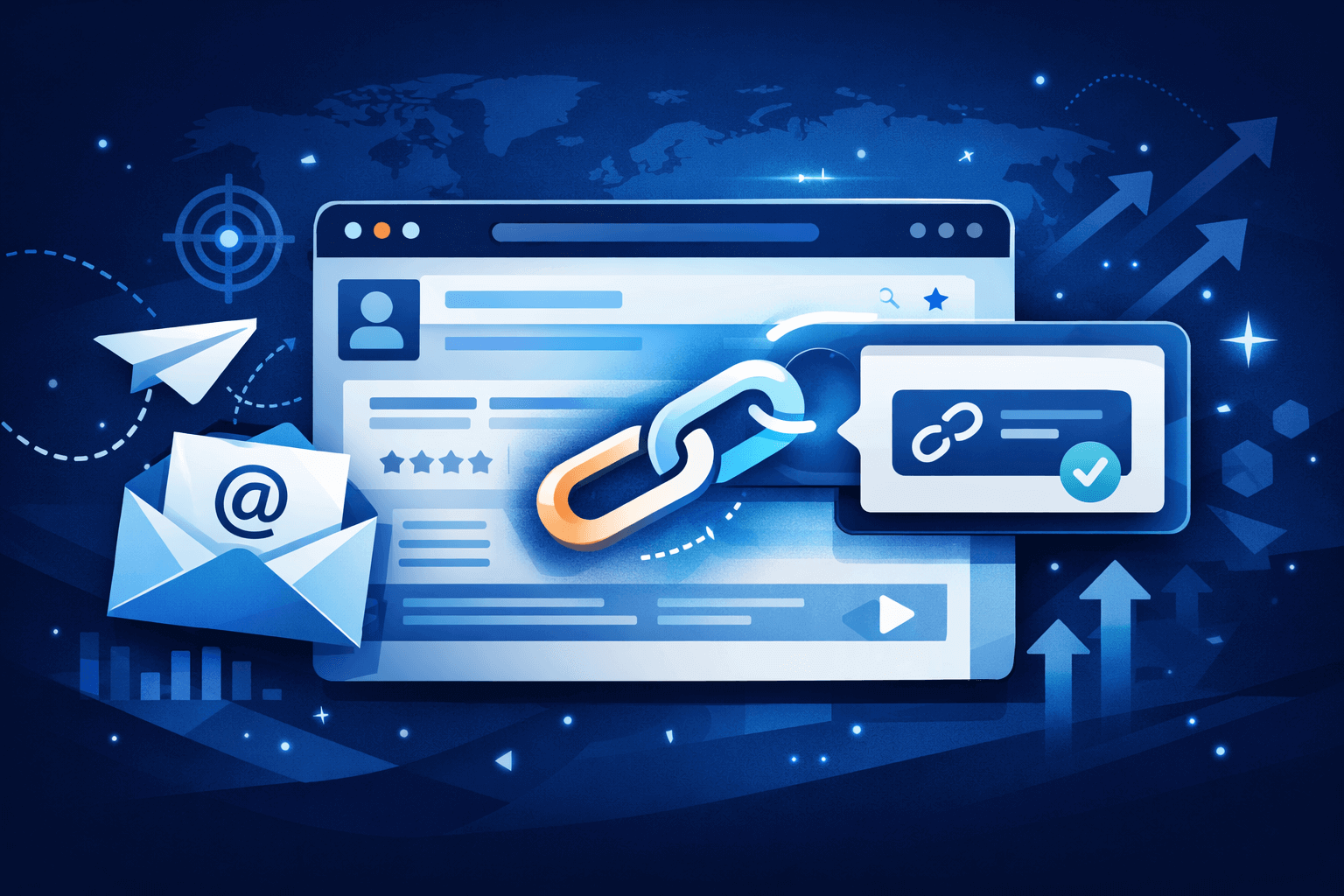
In today’s competitive digital landscape, simply publishing content isn’t enough to get noticed. Search engines have evolved to prioritize websites that demonstrate authority, relevance, and trustworthiness. One of the most effective ways to increase your website’s visibility and build this authority is through outreach links. Unlike passive link-building strategies, outreach links involve actively connecting with other websites, bloggers, and influencers to share your content in exchange for backlinks. These links are not only valuable for driving targeted traffic to your site but also for improving your domain authority in search engine rankings—ultimately helping your pages climb the SERPs.
The Foundation: Strategic Research
Creating successful outreach links starts with comprehensive research. Before reaching out to anyone, you need to identify websites and blogs that genuinely align with your niche and have an engaged, relevant audience. This targeted approach is far more effective than casting a wide net with generic outreach efforts.
Begin by analyzing your competitors’ backlink profiles using SEO tools. See who’s already linking to similar content in your industry. Look for websites with strong domain authority, active communities, and regular publishing schedules. Quality matters more than quantity—one link from a highly respected industry publication is worth far more than dozens of links from low-authority sites.
Pay attention to the audience demographics and engagement levels too. A website with fewer visitors but higher engagement and a loyal readership can deliver more qualified traffic than a high-traffic site with a disengaged audience. Take notes on the editorial style, content formats they prefer, and the types of topics they typically cover.
Personalization: The Game-Changer
A generic email template won’t get you far in the competitive world of link-building outreach. The moment a website owner or editor receives a mass-produced pitch, they’re likely to delete it. Personalization, however, makes a significant difference in your success rates.
When you reach out, demonstrate that you’ve actually read their content. Reference a specific article they’ve published, mention something you appreciated about their perspective, or comment on their recent work. This shows genuine interest rather than transactional intent. Then, clearly articulate how your content adds unique value to their readers and why linking to it makes sense for their audience.
Frame your pitch around their needs, not yours. Instead of focusing on what you want (a backlink), emphasize what their readers will gain by accessing your content. Will your resource save them time? Provide new insights? Solve a common problem? Make this value proposition crystal clear in your outreach message.
Content Quality: Your Greatest Asset
No amount of skillful outreach will generate links to mediocre content. Content quality plays a vital role in your link-building success. The reality is that high-quality, genuinely useful resources attract links naturally, and they also make your outreach pitches much more compelling.
Focus on creating content that’s worth linking to. Detailed how-to guides, comprehensive industry reports, original research, infographics, interactive tools, and actionable tutorials are all highly linkable assets. Invest time in making your content thorough, well-researched, and visually appealing. The better your content, the more likely other sites are to link to it—both through outreach efforts and organically.
Think about what problems your target audience faces and create resources that genuinely solve them. Original data, unique insights, and fresh perspectives are particularly valuable in the eyes of other content creators looking for authoritative sources to reference.
Beyond Basic Outreach: Collaboration Opportunities
Outreach links can also be secured through deeper collaborations that benefit both parties. Guest posting on relevant websites allows you to reach new audiences while earning a contextual link back to your site. Expert interviews—whether you’re interviewing industry leaders or being interviewed yourself—create shareable content that encourages linking.
Co-created content, such as joint research projects, webinars, or comprehensive guides, can be even more powerful. When you collaborate with another respected organization, you’re tapping into their audience and credibility while they benefit from your expertise and resources.
Measurement and Optimization
Another essential strategy is to track your outreach efforts systematically. Use backlink monitoring tools to track which outreach links actually materialize and bring the most value in terms of traffic and search authority. Monitor metrics like referral traffic, rankings for target keywords, and the domain authority of linking sites.
This data will help you refine your approach over time. You’ll identify which websites deliver the best results, which messaging resonates most, and which industries or niches are most receptive to your content. Adjust your strategy accordingly, focusing your energy on high-impact websites and continuously improving your outreach messaging.
Building Long-Term Relationships
Perhaps most importantly, remember that outreach isn’t just about securing a single link. It’s about building a network of contacts and relationships who can support your content and business over time. When someone links to your content once and finds it valuable, they’re more likely to link to future content as well.
Maintain consistent communication with your network. Share their content when relevant, provide feedback and support for their projects, and continue offering valuable insights to the community. By consistently demonstrating your expertise and maintaining these professional relationships, you increase your chances of repeat collaborations and ongoing link opportunities.
Conclusion
For more comprehensive strategies on effective link-building campaigns. Check out this link building guide. By investing time and effort in outreach links, you’re not only boosting your SEO performance but also expanding your professional network and increasing your website’s credibility within your industry. Start with solid research, create exceptional content, personalize your approach, and nurture those relationships—success will follow.