


As the internet becomes part of everyday life, staying secure online really matters. Mainly, in an age of heavily monitored internet use, it has become crucial for both individuals and businesses to remain anonymous. In the same way, secure browsing helps users defend against online threats like hacking, phishing, and malicious software.
At the same time, firewalls and online restrictions limit free access to websites and apps in different parts of the world. This is where VPNs and online proxies come into play. However, many users are still confused about how these tools work. That is why we are going to explain the key differences between the two approaches.
What exactly is a VPN, and how does it work?
A VPN is used to establish an encrypted tunnel between your internet connection and your device. So, when your device accesses a site using a 免费 VPN service, your online requests pass through a remote server before reaching their destination. In this way, a virtual private network entirely masks your IP address and location and keeps your browsing private. In any case, it is vital to know that VPNs operate at the operating system level.
What exactly is a proxy server, and how does it function?
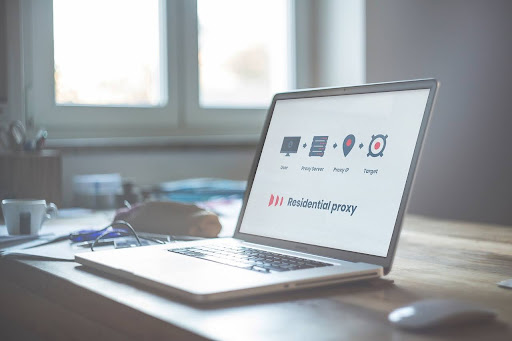
A proxy server serves as a bridge between your device and the online resources. A proxy server prevents websites or apps from detecting your real IP address when you visit. Yes, the website only sees the proxy’s IP, not yours. This lets users get around geo-restrictions and open blocked websites. However, it’s important to note that proxy servers work only at the browser level and do not encrypt all of your internet traffic.
5 Key Differences Between a Proxy & VPN
Let’s explore the core differences between a proxy server and a VPN:
1. How Well You are Protected
To start, we’ll look at how much security proxies and VPNs provide. When it comes to VPNs, they encrypt all internet traffic from your device, protecting it from ISPs, hackers, and network monitoring. Online proxies do not encrypt internet traffic; they only hide your IP address at the browser or app level. It signifies that VPN offers more protection than proxies.
2. How Fast They Are
In the second stage, we will explore how fast they are when browsing. While VPNs encrypt your traffic, this can affect speed. Maybe most of you have already experienced this speed issue with free VPNs. In contrast, high-quality services are optimised to maintain fast connections.
Proxy servers usually offer higher speed since they don’t encrypt traffic. Although they can be unstable or blocked by websites or firewalls, they are still faster than VPNs.
3. How well do they work for web scraping
Proxies are popular for web scraping because you can easily rotate IP addresses. This feature also helps avoid being blocked when making many requests. Moreover, residential and datacenter proxies help make requests appear from multiple users across different locations.
Still, they don’t encrypt traffic, so security is limited when handling sensitive information. In any case, VPNs provide only a single IP address at a time. So, VPNs are not suitable for large-scale web scraping projects. You must rely on proxy servers in this regard.
4. Free or Paid: Which Is Better?
Most VPNs require a subscription since they deliver strong encryption and privacy. Free VPNs often have restrictions and can sometimes collect your data. On the other hand, many proxy sites are available for free, though their security and privacy are limited. This means proxies can perform well even for free, but it’s generally better to choose premium VPN services.
5. How They Are Used
Now, it is time to talk about the uses of proxies and VPNs in the real world. Overall, VPNs are well-suited for secure browsing, safeguarding data on public Wi-Fi, bypassing internet censorship, and accessing geo-restricted streaming services. In comparison, proxies are ideal for quickly masking your IP, performing light browsing, and accessing geo-restricted content when security is not essential.
Final Words
By now, you should be able to clearly see the core distinctions between VPNs and proxies and when to use each. In summary, proxies are the go-to choice if you want free IP masking and web scraping that won’t compromise browsing speed. But if you wish to complete encryption and the ability to get past firewalls, a premium VPN is the way to go.