


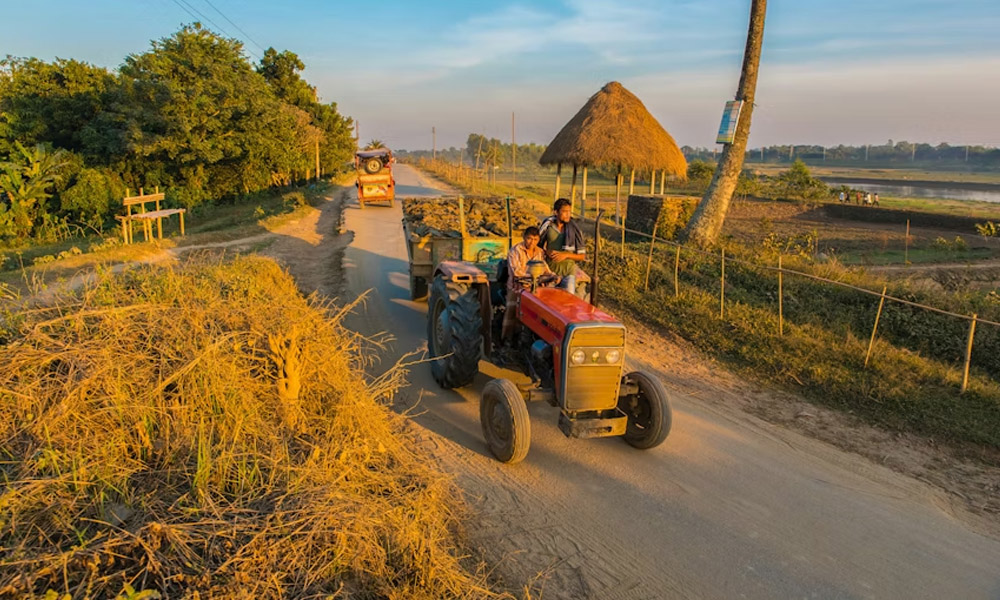
There is something warm and peaceful about the word sodziu. It feels soft, calm, and full of life. In Lithuania, this simple word describes a small village or rural home. But for many people, sodziu means much more than a place on a map. It carries stories, old memories, and a way of living that has shaped families for many years.
In this article, we will explore what sodziu really means. We will look at its history, daily life, homes, customs, and the deep love people still feel for it today. We will also see how sodziu has shaped Lithuanian identity and why it still matters in our modern world. Let’s take this calm and beautiful walk together.
What Does Sodziu Really Mean?
The word sodziu is simple, but its meaning is rich. In the Lithuanian language, it describes a “small village” or “rural homestead.” But it is not just a location. It is a lifestyle. It is a gentle way of living that stays close to nature, family, and tradition.
When someone says sodziu, you can almost picture a quiet place with wooden homes, open fields, and people who help each other. It reminds many Lithuanians of summer days at their grandparents’ home, long walks in the fields, or the smell of fresh bread baking in an old kitchen. This is why the word carries so much emotion. It feels like comfort. It feels like home.
Many people say that sodziu is not only a physical place. It is also a feeling you carry inside you. A feeling that stays with you no matter where life takes you.
Sodziu and Lithuanian History
To understand Lithuania, you must understand sodziu. For many centuries, Lithuania was shaped by small villages where people lived close to their land. Families grew their own food. They raised animals. They worked hard but lived simple, peaceful lives.
These villages were more than homes. They were communities. People helped each other during planting season, harvest time, or cold winters. Everyone knew everyone. Children played in open fields. Elders shared stories and wisdom. This way of life helped Lithuania stay strong through wars, hard times, and big changes.
Even today, sodziu keeps old traditions alive. Many Lithuanians still return to their family villages on weekends or holidays. They go back because sodziu reminds them of their roots. It shows them where their family story began.
If you ask a Lithuanian about their sodziu, they often smile. There is always a story behind that smile.
Life Inside a Sodziu Village
Life inside a sodziu is simple, but it is full of beauty. People wake up early because the land waits for no one. They water their gardens. They feed their animals. They walk through quiet fields where you can hear birds singing and the wind moving through the grass.
One of the nicest things about sodziu life is the strong sense of community. Neighbors do not feel like strangers. They feel like extended family. People visit each other often, bring fresh food, share tools, or help repair a house roof. No one is alone in a sodziu. Everyone belongs.
Children grow up playing outside, climbing trees, or watching their grandparents work. They learn skills that are passed down through generations. They learn patience, care, and respect for nature. This kind of learning stays with them for life.
Many people who grew up in big cities dream of experiencing this simple lifestyle. They dream of the calm mornings, slow evenings, and warm gatherings that make sodziu feel alive.
Sodziu Architecture and Homes
The homes in a sodziu tell their own stories. Most of them are made of wood, because wood has always been a natural and trusted material in Lithuania. The houses are simple, but they have a cozy and warm feeling. Many have thatched or wooden roofs, which blend perfectly with the green fields around them.
Inside, you often find handmade furniture, soft woven rugs, and old family items that have been kept for years. Every corner has meaning. Every object has a memory. It is common to see a wooden table that has been used by three or four generations. These small details make the home feel alive.
The layout of a sodziu home also brings people together. Kitchens are often the heart of the house. Families gather there to cook, talk, and share stories. It is a space where warmth lives.
The design of these homes also reflects a deep connection to nature. Windows open toward fields or forests. Natural light fills the rooms. The air feels fresh, and the atmosphere feels peaceful.
Folklore and Traditions in Sodziu
Every sodziu is rich with old stories. Grandparents share tales about mythical creatures, brave heroes, and magical forests. These stories are passed down from one generation to the next. They help children understand their culture and feel proud of their roots.
Traditional festivals are a big part of sodziu life too. People come together to celebrate the seasons. They dance, sing folk songs, and wear traditional clothes. These festivals bring joy and help keep old customs alive.
Many crafts also come from sodziu culture. Women create beautiful embroidery with symbols that have been used for hundreds of years. Men carve wood or make pottery. These crafts are more than art. They are a way of saving history.
When people take part in these traditions, they feel connected — not only to their family but also to their ancestors. It creates a strong sense of identity and belonging.
The Strong Feelings Behind Sodziu
For many Lithuanians, sodziu is not only a place from childhood. It is an emotional anchor. It reminds them of simpler times, warm summers, and the laughter of family members who may no longer be alive.
People often say that when you visit your sodziu, you feel something inside you become calm. The air smells familiar. The land feels safe. Every tree and every path holds a memory.
Even if someone moves to a big city or another country, the memory of their sodziu stays with them. It becomes a quiet place in their heart. A place they return to when they need peace.
This emotional bond is one of the strongest parts of sodziu culture. It shows that a village is not just a location. It is a living part of a person’s identity.
Sodziu in Art, Music, and Literature
Art in Lithuania often begins with the sound, color, and feeling of sodziu. Many painters use soft greens, warm browns, and gentle light to show village fields and wooden homes. These scenes feel peaceful and remind people of the quiet beauty found in rural life. When you look at these paintings, you can almost hear the wind moving through the trees.
Writers also love the world of sodziu. Many poems and stories talk about long summer days, old songs, or the bond between people and their land. These stories help readers understand the deep connection Lithuanians have with their roots. It is common to find books where a small sodziu becomes the center of the entire story.
Music, too, carries the sound of sodziu. Folk songs with simple melodies and soft voices tell stories about love, nature, and family. These songs are often sung during festivals and gatherings. They remind people of who they are and where they come from. Through art, the spirit of sodziu continues to shine.
Modern Life and the Return to Sodziu
Even in 2025, many young people feel pulled toward sodziu. Cities may be fast and exciting, but they can also feel busy and stressful. Because of this, many families are choosing to move back to their old villages or build new homes on their family land. They want a slower life with more fresh air, more space, and more time with loved ones.
New families in the sodziu mix modern comfort with old traditions. They use solar energy, grow their own food, or work from home while still enjoying the quiet of nature. This blend makes life feel balanced. People can enjoy modern tools without losing the warm feeling of village living.
The return to sodziu is not only about lifestyle. It is also about identity. Many parents want their children to grow up knowing the land, hearing old stories, and feeling connected to something bigger than themselves. This new movement is helping bring old villages back to life.
Tourism in Sodziu: A Hidden Gem to Explore
Travelers love discovering places that feel real, calm, and full of history. That is why sodziu has become a special attraction for people visiting Lithuania. Tourists come to enjoy fresh air, quiet mornings, and warm evenings under the open sky. They get to see how simple life can be, without noise or rush.
Many visitors join workshops where they learn old crafts like weaving, pottery, or folk dancing. These activities help them feel part of the local culture. Others take walks through forests, visit small lakes, or taste foods made fresh from village gardens. Everything feels natural, pure, and comforting.
Because tourism stays gentle and respectful, sodziu keeps its charm. Visitors leave feeling refreshed, and locals feel proud to share their way of life. It becomes a beautiful exchange between people and culture.
How Sodziu Teaches Us About Community
One of the greatest lessons from sodziu is the power of community. In these villages, people depend on one another. They share tools, help repair roofs, and support each other during hard times. This creates strong bonds that last for years, sometimes even for generations.
In today’s world, many people live close together but still feel alone. Sodziu shows a different way. It reminds us that simple acts of kindness, like helping a neighbor or sharing a meal, can create deep friendships. The sense of “we are in this together” is a natural part of sodziu life.
These values matter now more than ever. When people learn from sodziu, they discover that real happiness often comes from connection. Not from big things, but from small moments shared with others.
Sodziu and Sustainability
Sustainability is not a new idea in Lithuania. It has always been part of sodziu life. People used the land with care. They grew food only in the amount they needed. They respected animals, water, and forests. This slow and natural way of living helped keep the environment healthy.
Today, many people around the world are trying to live in a greener way. Sodziu gives a simple example of how to do that. Villagers use natural materials, recycle old items, and avoid waste. They grow vegetables without chemicals. They choose clean, simple habits that help protect nature.
This lifestyle shows that caring for the earth does not have to be difficult. It can be gentle, calm, and part of everyday life. Sodziu proves that sustainability starts with small steps.
Why Sodziu Still Matters Today
Even in a modern world full of technology and fast changes, sodziu continues to have a strong place in Lithuanian hearts. It reminds people to slow down and enjoy the small moments that make life beautiful. It teaches them to care for their history, their community, and their land.
Sodziu also keeps culture alive. It protects stories, music, crafts, and traditions that might otherwise disappear. When people return to these villages or share their memories, they help keep a powerful part of Lithuania’s identity strong.
Most of all, sodziu matters because it brings peace. It offers a soft place to rest, think, and remember who you are. It is a quiet reminder that even as the world moves forward, the heart still needs calm and connection. Sodziu gives us that.
Conclusion
Sodziu is more than a small Lithuanian village. It is a symbol of love, roots, history, and community. It shows us that simple living is not old or outdated. It is full of meaning, beauty, and warmth. In every corner of a sodziu — in the gardens, homes, songs, and stories — you can see the soul of Lithuania.
Whether you visit a sodziu, grow up in one, or simply learn about it, you feel its gentle power. It teaches lessons that stay with you: stay close to nature, value your people, and keep your traditions alive. And in a world full of noise, sodziu reminds us of the quiet places that help us breathe again.
You may also read: Mac Računala: A Simple Guide to Apple’s Computers