

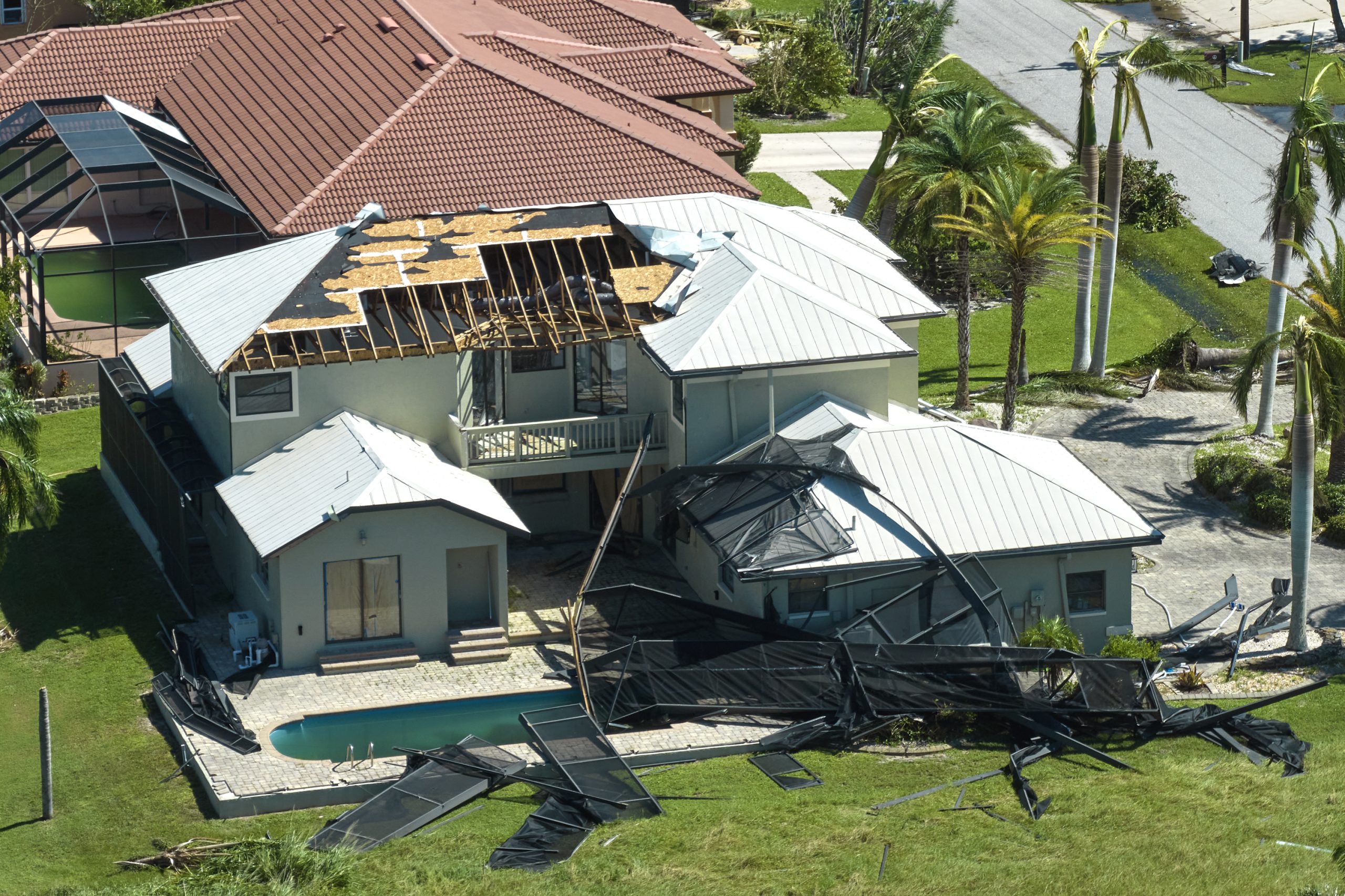
When severe weather strikes, homeowners are often left dealing with more than just visible damage. Powerful winds, heavy rainfall, hail, fallen branches, and flying debris can compromise the integrity of a home in ways that are not immediately noticeable. While missing shingles or broken gutters may seem like the most obvious concerns, storms can also create hidden structural issues that become more expensive if they are not addressed quickly. Professional storm restoration services help homeowners recover efficiently by identifying every area of damage, preventing further deterioration, and restoring the property to a safe and secure condition.
Storm restoration is not simply about replacing damaged materials. It is a comprehensive process that includes detailed inspections, emergency protection, structural repairs, roof restoration, siding replacement, water damage mitigation, gutter repair, and preventive improvements. Every component of the home works together to provide protection, and experienced restoration professionals understand how to repair each system properly while ensuring long-term durability. Investing in professional restoration after a storm helps protect your family, preserve your home’s value, and reduce the likelihood of costly repairs in the future.
Understanding How Storms Affect Residential Properties
Every type of storm has the potential to damage different parts of a home. High winds can loosen roofing materials, remove shingles, and detach flashing around chimneys and vents. Hail may crack shingles, dent metal roofing, damage gutters, and weaken siding. Heavy rain often exposes existing weaknesses, allowing water to penetrate vulnerable areas of the home. Fallen trees and flying debris can create immediate structural damage that requires emergency attention.
The effects of storm damage are not always visible from the ground. Water may seep beneath roofing materials and into attic spaces, causing insulation damage, mold growth, and wood rot. Moisture trapped inside walls can gradually weaken structural framing while reducing indoor air quality. Because many forms of storm damage remain hidden until they become serious, homeowners should always schedule a professional inspection after severe weather. Early detection allows contractors to address minor issues before they develop into expensive restoration projects.
The Importance of Acting Quickly After a Storm
Time is one of the most important factors in successful storm restoration. Delaying repairs allows water to continue entering the home, increasing the likelihood of damage to drywall, insulation, flooring, ceilings, and electrical systems. Even a small roof leak can eventually result in extensive interior repairs if moisture is allowed to spread unchecked.
Professional restoration contractors respond quickly by securing damaged areas with temporary protective measures such as emergency tarping and board-up services. These solutions help prevent additional weather exposure while permanent repairs are being planned. Quick action also makes the insurance claims process easier because the damage can be documented before it changes due to prolonged exposure or additional storms. Addressing problems immediately not only protects the home but also minimizes repair costs over the long term.
Comprehensive Roof Inspection and Repair
The roof experiences the greatest impact during severe weather, making it one of the first areas that restoration professionals inspect. High winds may remove shingles, while hail can create small impact marks that reduce the roof’s ability to shed water effectively. Damaged flashing around vents, skylights, and chimneys often becomes the source of persistent leaks that gradually affect the home’s interior.
Professional roof inspections include examining shingles, underlayment, roof decking, flashing, ventilation systems, and structural supports. Contractors identify both visible and hidden damage before recommending repairs or replacement. High-quality roofing materials combined with expert installation ensure the restored roof performs reliably through future storms. Restoring the roof properly protects every other part of the home and significantly extends the lifespan of the entire roofing system.
Restoring Siding and Exterior Components
Siding serves as both a decorative feature and an important protective barrier against moisture and weather. Strong winds and flying debris frequently crack, loosen, or puncture siding panels, allowing rainwater to reach the home’s structural framework. If damaged siding is not repaired promptly, trapped moisture may lead to mold growth, wood deterioration, and insulation damage.
Professional restoration includes replacing damaged siding panels, repairing moisture barriers, inspecting insulation, and ensuring every section is securely installed. Modern siding materials provide excellent durability while improving curb appeal and increasing energy efficiency. Contractors also inspect trim, fascia boards, soffits, and exterior finishes to ensure every component functions properly after restoration.
Gutter Systems and Water Management
Although gutters often receive less attention than roofing, they play a critical role in protecting a home’s structure. Storms can bend, clog, detach, or damage gutters and downspouts, preventing proper drainage. When rainwater cannot flow away from the home efficiently, it may collect near the roof edge or foundation, increasing the risk of leaks, erosion, and basement moisture problems.
Professional restoration specialists inspect the entire drainage system, replacing damaged gutters, repairing downspouts, and ensuring proper water flow. Maintaining an effective gutter system reduces long-term maintenance costs while protecting both the roof and foundation from unnecessary water exposure.
Water Damage Restoration and Moisture Control
Water damage is one of the most common consequences of severe storms. Moisture entering through damaged roofing materials or compromised exterior walls spreads quickly throughout the home, affecting insulation, drywall, flooring, ceilings, and wooden framing. If moisture is not removed promptly, mold growth can begin within a short period, creating additional repair expenses and potential health concerns.
Professional restoration companies use specialized moisture detection equipment to locate hidden water that cannot be seen during a visual inspection. High-capacity drying equipment removes moisture efficiently, preventing structural deterioration and preserving indoor air quality. Damaged building materials are repaired or replaced when necessary, ensuring the home is restored safely and completely.
Navigating Insurance Claims with Professional Assistance
Many homeowners find insurance claims confusing after a major storm. Restoration contractors often assist throughout the process by documenting damage, preparing detailed repair estimates, photographing affected areas, and communicating directly with insurance adjusters when appropriate. Accurate documentation helps demonstrate the full extent of storm-related damage, reducing misunderstandings during claim evaluations.
Working with experienced restoration professionals simplifies the insurance process while ensuring all necessary repairs are included in the restoration plan. Homeowners benefit from clear communication, organized documentation, and expert guidance from the initial inspection through final project completion.
Preventing Future Storm Damage
While storms cannot be prevented, homeowners can take several proactive steps to reduce future damage. Routine roof inspections identify worn shingles, deteriorated flashing, and minor weaknesses before severe weather arrives. Cleaning gutters regularly prevents water overflow and protects the roof edge from moisture damage. Trimming nearby tree branches reduces the risk of impact damage during high winds.
Upgrading older roofing materials with modern impact-resistant products provides additional protection against hail and wind. Reinforcing vulnerable exterior components and scheduling regular maintenance allows homeowners to improve the overall resilience of their property while minimizing future repair costs.
Choosing a Reliable Restoration Contractor
Selecting the right contractor is essential for achieving lasting restoration results. Reputable companies provide thorough inspections, detailed written estimates, transparent communication, and skilled workmanship throughout every phase of the project. They use premium materials, follow manufacturer installation guidelines, and comply with current building standards to ensure long-term durability.
Experienced restoration professionals understand that every property is different. They develop customized repair plans based on the specific type and severity of storm damage while keeping homeowners informed throughout the process. A contractor committed to quality workmanship and customer satisfaction provides confidence that repairs will stand the test of time.
Conclusion
Recovering from severe weather requires more than repairing visible damage. A complete restoration process addresses hidden structural issues, prevents additional deterioration, and restores every affected component of the home to its proper condition. From roof repairs and siding replacement to gutter restoration, water mitigation, and insurance claim assistance, professional storm restoration services provide comprehensive solutions that protect homeowners and their investments.
Choosing an experienced restoration contractor ensures every repair is completed with precision, quality materials, and long-term durability in mind. By responding quickly after a storm and investing in professional restoration, homeowners can restore the safety, appearance, efficiency, and value of their property while preparing it to withstand future weather challenges with confidence.