

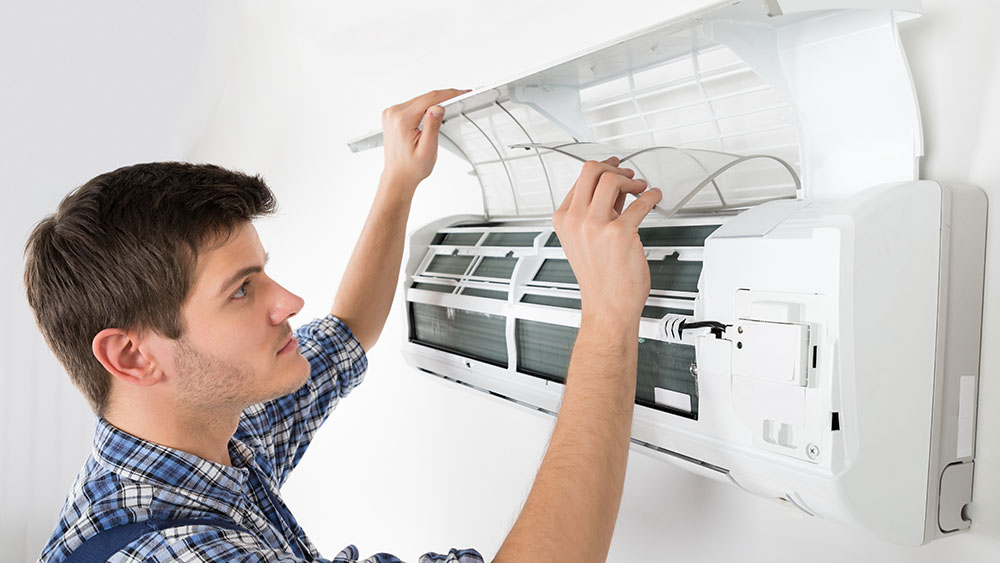
Understanding the Importance of Clean AC Filters
An air conditioning system is one of the most valuable investments in any home or commercial property because it provides consistent indoor comfort while helping maintain healthy air quality. Every component of the HVAC system plays an important role, but the air filter is often overlooked despite being one of the most essential parts. The primary function of an AC filter is to capture dust, dirt, pollen, pet dander, and other airborne particles before they enter the equipment and circulate throughout the building. As these contaminants accumulate, the filter gradually becomes clogged, restricting airflow and forcing the system to work much harder to maintain the desired indoor temperature. This additional workload reduces efficiency, increases energy consumption, and places unnecessary stress on critical mechanical components. Investing in professional ac filter replacements helps ensure that the HVAC system continues operating efficiently while protecting indoor air quality and extending equipment lifespan. Replacing filters at the proper intervals is one of the simplest yet most effective ways to improve HVAC performance while avoiding expensive repairs.
How Air Filters Support HVAC Performance
Every time the air conditioner operates, large volumes of air move through the return ducts and pass through the filter before reaching the internal components of the system. During this process, the filter captures airborne contaminants that would otherwise settle on evaporator coils, blower motors, and other sensitive equipment. Clean filters allow unrestricted airflow, enabling the system to cool indoor spaces efficiently while maintaining consistent temperatures throughout the property. As filters become dirty, airflow decreases and the air conditioner must run longer to achieve the same level of cooling. Extended operating cycles increase wear on compressors, fan motors, and electrical components while raising monthly energy costs. A clean filter allows the HVAC system to operate according to manufacturer specifications, reducing strain on the equipment and improving overall reliability. Understanding the role of air filters helps homeowners appreciate why routine replacement should be an important part of every HVAC maintenance plan.
Signs That an AC Filter Needs Replacement
Many homeowners do not realize that a clogged air filter can create noticeable performance issues long before the system stops working properly. One of the earliest warning signs is reduced airflow coming from supply vents, making rooms feel less comfortable even when the air conditioner runs continuously. Higher energy bills without increased cooling usage often indicate that the HVAC system is consuming more electricity due to restricted airflow. Dust accumulation throughout the home, unusual odors when the system starts, inconsistent temperatures between rooms, and increased allergy symptoms may also point to a dirty filter. In severe cases, airflow restrictions can cause evaporator coils to freeze, reducing cooling capacity and increasing the risk of costly repairs. Replacing dirty filters promptly restores proper airflow and helps prevent these problems from becoming more serious. Regular ac filter replacements improve overall system efficiency while supporting healthier indoor air quality.
Benefits of Replacing AC Filters Regularly
Routine filter replacement provides numerous long-term advantages beyond simply improving airflow. Clean filters help maintain stable indoor temperatures by allowing conditioned air to circulate efficiently throughout the building. Because the HVAC system does not need to work as hard, homeowners often notice lower monthly utility bills and quieter system operation. Reduced strain on mechanical components contributes to longer equipment lifespan and fewer unexpected repairs. Clean filters also minimize the accumulation of dust inside the HVAC system, reducing maintenance requirements and improving long-term performance. Families benefit from healthier indoor air because airborne particles such as pollen, pet hair, mold spores, and dust are captured more effectively before circulating throughout the home. Individuals with allergies or respiratory sensitivities often experience noticeable improvements in indoor comfort after establishing a regular filter replacement schedule.
Choosing the Right Air Filter
Not every air filter provides the same level of performance, making it important to select a filter that matches both the HVAC system and the property’s indoor air quality needs. Standard fiberglass filters offer basic protection by capturing larger dust particles, while pleated filters provide improved filtration by trapping smaller airborne contaminants. High-efficiency filters remove an even greater percentage of allergens and microscopic particles, making them ideal for households with pets or allergy sufferers. However, selecting an excessively restrictive filter may reduce airflow if the HVAC system is not designed for higher filtration levels. Professional HVAC technicians can recommend the most appropriate filter based on equipment specifications, household conditions, and indoor air quality goals. Using the correct filter ensures balanced airflow while providing effective protection for both occupants and the HVAC system.
The Role of Professional HVAC Service
Although replacing an air filter appears to be a simple task, professional HVAC service provides additional benefits that contribute to long-term system reliability. During routine maintenance visits, technicians inspect the entire air conditioning system to identify developing problems before they become expensive repairs. They examine electrical components, verify refrigerant performance, inspect blower assemblies, clean important internal parts, evaluate thermostat operation, and confirm that airflow remains within manufacturer recommendations.
Combining routine inspections with scheduled ac filter replacements helps maximize system efficiency while extending equipment lifespan. Professional maintenance also provides homeowners with confidence that every major component of the HVAC system is operating safely and effectively throughout the cooling season.
Conclusion
Air filters play a critical role in protecting HVAC equipment, improving indoor air quality, and maintaining energy-efficient cooling performance. Ignoring routine filter replacement allows dirt and debris to accumulate inside the system, reducing airflow and increasing operating costs while placing unnecessary stress on valuable mechanical components. Establishing a regular maintenance schedule that includes timely filter replacement helps homeowners enjoy cleaner indoor air, lower utility bills, fewer repairs, and more consistent comfort throughout the year. By combining routine inspections with professional ac filter replacements, property owners can protect their investment while ensuring reliable HVAC performance for many years to come.