


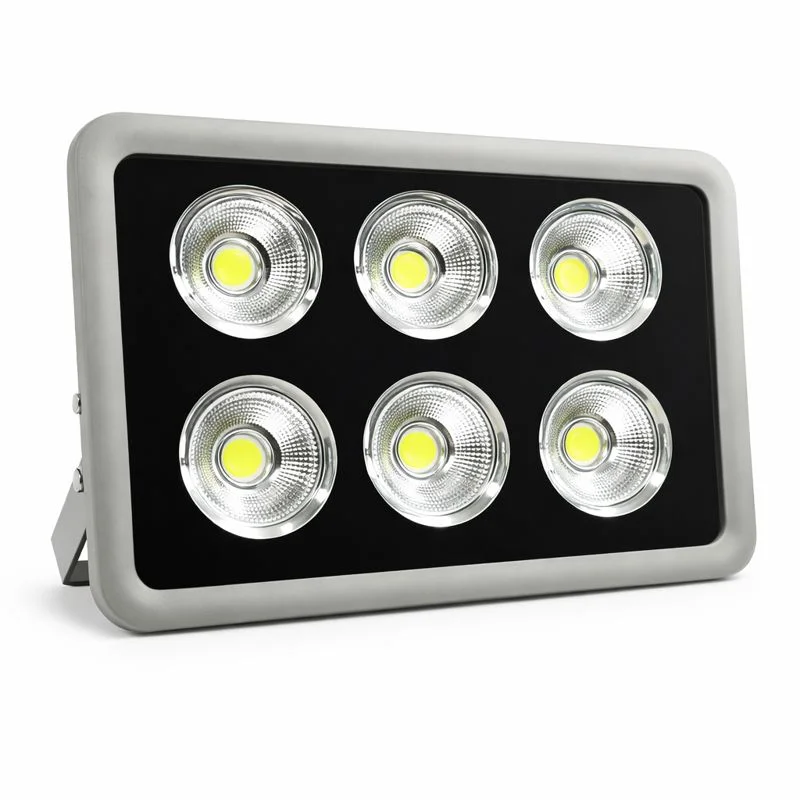
A 300 Watt LED Flood Light is one of the most popular commercial lighting solutions for parking lots, sports courts, warehouses, security lighting, and large outdoor spaces. It produces between 36,000 and 45,000 lumens while consuming only 300 watts of electricity. Compared to traditional 1000-watt metal halide or halogen fixtures, it delivers brighter illumination, lower operating costs, and a much longer lifespan.
Whether you’re replacing outdated floodlights or planning a new lighting installation, understanding specifications, beam angles, mounting height, and certifications helps you choose the right fixture.
What Is a 300 Watt LED Flood Light?
A 300 Watt LED Flood Light is a high-output outdoor lighting fixture designed to illuminate large open areas. Unlike older lighting technologies that waste much of their energy as heat, LED flood lights convert most electricity into usable light.
Most commercial-grade fixtures use premium LED chips combined with efficient drivers to produce high lumen output while maintaining low energy consumption.
Typical applications include:
- Commercial parking lots
- Building security
- Warehouses
- Loading docks
- Tennis courts
- Basketball courts
- Small stadiums
- Construction sites
- Industrial yards
Because LEDs generate less heat and require little maintenance, they have become the preferred replacement for metal halide flood lights.
300 Watt LED Flood Light Specifications
Although specifications vary slightly between manufacturers, most commercial models share similar performance characteristics.
| Specification | Typical Value |
| Power Consumption | 300 Watts |
| Light Output | 36,000–45,000 Lumens |
| Efficiency | 120–150 lm/W |
| Input Voltage | 100–277V |
| Color Temperature | 5000K or 6500K |
| Beam Angle | 60°, 90°, 120° |
| IP Rating | IP65 or IP66 |
| Housing Material | Die-Cast Aluminum |
| Lifespan | 50,000–100,000 Hours |
| CRI | 70–80 |
Higher-quality fixtures often exceed 140 lumens per watt, reducing electricity costs even further.
How Bright Is a 300 Watt LED Flood Light?
Brightness is measured in lumens rather than watts.
A quality 300 Watt LED Flood Light typically produces between 36,000 and 45,000 lumens, making it suitable for illuminating large commercial areas.
Compared with older technologies:
| Fixture Type | Typical Lumens |
| 300W LED | 36,000–45,000 |
| 1000W Metal Halide | 32,000–40,000 |
| 1000W Halogen | 25,000–30,000 |
Even though the LED fixture consumes only 300 watts, it often produces more usable light because LEDs direct light exactly where it’s needed instead of scattering it.
Best Applications
A 300 Watt LED Flood Light is ideal wherever powerful, reliable outdoor lighting is required.
Common applications include:
- Parking lots
- Distribution centers
- Loading docks
- Outdoor storage yards
- Sports facilities
- Commercial buildings
- Security lighting
- Construction projects
- Agricultural properties
- Industrial plants
The correct beam angle ensures even illumination without excessive glare.
Recommended Mounting Height
Mounting height directly affects light coverage.
| Mounting Height | Recommended Beam |
| 15–20 ft | 90°–120° |
| 20–30 ft | 60°–90° |
| 30–50 ft | 60° |
| Above 50 ft | Narrow optics |
For most parking lots, installers aim the fixture downward at 15–30 degrees to minimize glare while maximizing ground coverage.
Energy Savings
One of the biggest advantages of switching to a 300 Watt LED Flood Light is reduced operating cost.
Compared to a traditional 1000W fixture:
- Uses approximately 70% less electricity
- Generates less heat
- Requires almost no maintenance
- Lasts several times longer
- Lowers annual utility bills
For example, operating a 300W LED for 10 hours each night consumes approximately 1,095 kWh per year, while a comparable 1000W halogen fixture uses about 3,650 kWh annually.
Lifespan and Maintenance
Commercial LED flood lights are engineered for long-term operation.
Expected service life:
- 50,000–100,000 hours
- 10–20 years in many commercial installations
- Minimal lumen depreciation
- No routine bulb replacements
Basic maintenance includes:
- Cleaning the lens every six months
- Inspecting wiring
- Tightening mounting hardware annually
- Checking surge protection devices
- Looking for damaged seals
Buying Guide
Not all 300 Watt LED Flood Lights are built to the same standard.
Before purchasing, evaluate:
LED Chips
Choose reputable brands such as:
- Samsung
- Cree
- Bridgelux
Premium chips maintain higher brightness over time.
LED Driver
The driver controls electrical performance.
Reliable manufacturers include:
- Meanwell
- Inventronics
- Sosen
A quality driver improves efficiency and extends fixture life.
Surge Protection
Outdoor fixtures should include:
- Minimum 6kV surge protection
- 10kV preferred for storm-prone areas
This protects electronics from voltage spikes.
Housing
Look for:
- Die-cast aluminum
- Powder-coated finish
- Large cooling fins
- Corrosion resistance
Effective heat dissipation significantly extends LED lifespan.
Warranty
Commercial buyers should select fixtures with:
- Minimum 5-year warranty
- Longer warranties when available
- Responsive manufacturer support
Required Certifications
Commercial installations should include recognized certifications.
| Certification | Purpose |
| UL Listed | Electrical safety |
| DLC Listed | Utility rebates |
| IP65/IP66 | Weather protection |
| IK08+ | Impact resistance |
| CE | International compliance |
Always verify certification before purchasing.
Installation Tips
Proper installation improves safety and fixture performance.
Best practices include:
- Disconnect electrical power before wiring
- Use weatherproof junction boxes
- Follow local electrical codes
- Properly ground every fixture
- Seal cable entry points
- Inspect mounting brackets regularly
Many commercial installations require a licensed electrician.
Common Causes of Failure
Most premature failures result from installation or component quality rather than the LEDs themselves.
Typical issues include:
- Low-quality drivers
- Poor heat dissipation
- Water intrusion
- Loose wiring
- Corroded seals
- Lightning damage without surge protection
Choosing a reputable commercial-grade fixture greatly reduces these risks.
LED vs Metal Halide
| Feature | 300W LED | 1000W Metal Halide |
| Power Consumption | 300W | 1000W |
| Restart Time | Instant | 5–15 Minutes |
| Lifespan | 50,000–100,000 Hours | 10,000–20,000 Hours |
| Maintenance | Very Low | High |
| Light Output | Stable | Declines Over Time |
| Energy Efficiency | Excellent | Moderate |
LED fixtures provide better light quality, lower maintenance, and significantly lower operating costs.
Smart Controls
Many commercial fixtures support advanced lighting controls, including:
- 0–10V dimming
- Motion sensors
- Photocells
- Wireless lighting systems
- DALI controls
- Programmable timers
These features further reduce energy consumption without sacrificing safety.
Final Thoughts
A 300 Watt LED Flood Light offers an excellent balance of brightness, efficiency, and long-term value for commercial and industrial lighting projects. Producing up to 45,000 lumens while consuming only 300 watts, it provides a practical replacement for traditional 1000W metal halide or halogen fixtures.
For the best performance, choose a model with 130+ lumens per watt, a premium LED driver, UL and DLC certifications, IP65 or higher weather protection, 6kV or greater surge protection, and a minimum five-year warranty. Matching the beam angle to the mounting height and installation environment will ensure uniform coverage, reduced glare, and maximum return on investment over the fixture’s service life.