

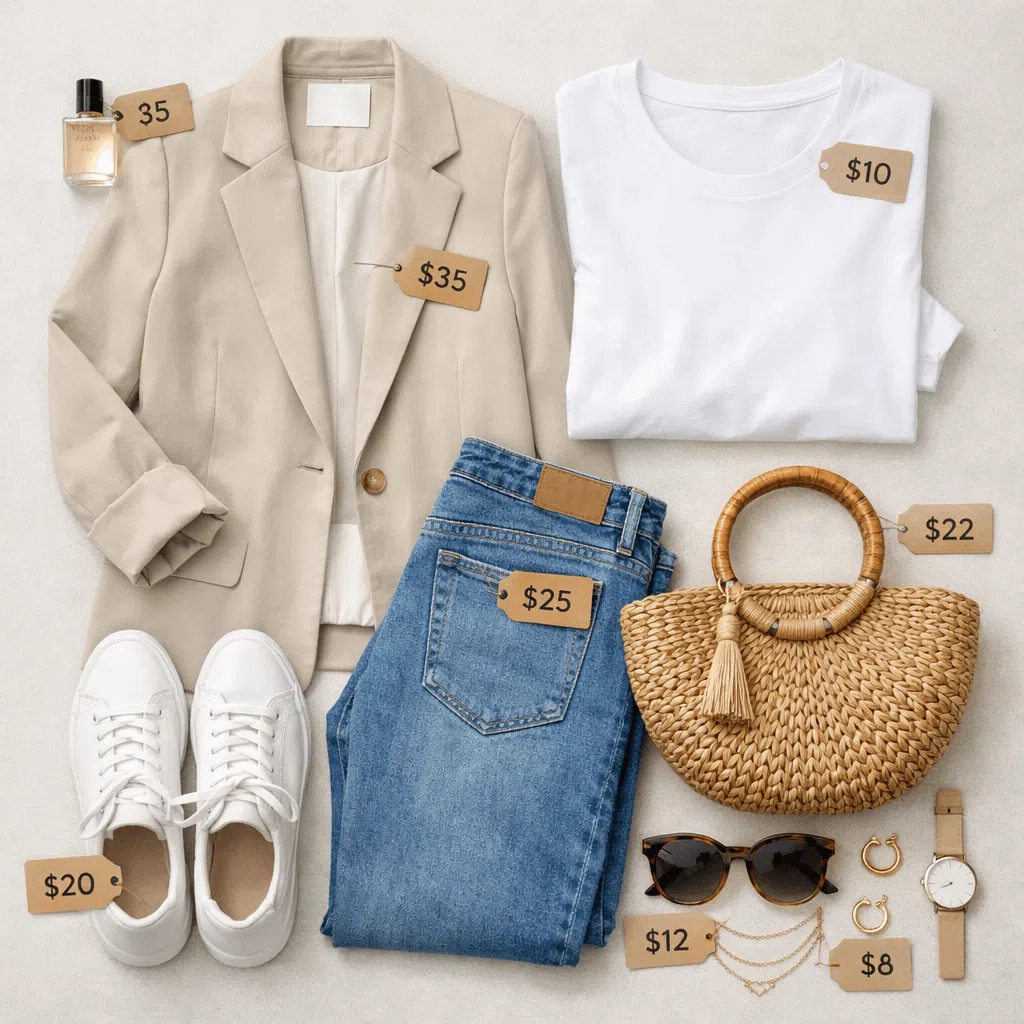
In the fast-paced world of 2026, a streamlined wardrobe filled with versatile fashion essentials is invaluable. These pieces not only make dressing effortless but also keep you stylish and comfortable. And guess what? You don’t have to break the bank to look fab. For savvy shopping tips and discounts, dive into ASOS Discount Code at Latest Deals for unbeatable bargains.
1. Smart Sneakers
In 2026, sneakers aren’t just “comfy shoes.” The good ones are basically quiet little assistants for your feet. They’re built to handle long days, sudden plans, and the fact that you might walk 12k steps without meaning to.
What makes a sneaker “smart” (without feeling gimmicky)
- Adaptive cushioning: Midsoles that feel softer on pavement, firmer when you pick up pace. Less “squish,” more support where it counts.
- Foot-friendly uppers: Knit or engineered mesh that flexes as your feet swell a bit during the day (normal), so you’re not fighting hot spots by 3 p.m.
- Stable, not clunky: Wider bases, better heel cups, and subtle arch structure—so you get support without looking like you borrowed orthopedic shoes.
- Breathability + easy care: Anti-odor linings, washable insoles, and materials that don’t instantly look wrecked after a rainy commute.
- Low-key tech (optional): Some models have step tracking or app tie-ins, but honestly the real “smart” part is comfort engineering, not the app.
How they make life easier (real-world version)
- One pair, most outfits: Clean silhouettes in white, black, grey, or mixed neutrals go with jeans, cargos, dresses, and even relaxed tailoring.
- Commute-proof: Cushion + grip means fewer “why did I wear these today?” regrets.
- All-day comfort: Less foot fatigue = you’re not thinking about your shoes every hour. That’s the goal.
Budget-friendly ways to buy them (without settling)
You don’t need £200 futuristic trainers. You need smart design at a sane price.
- Look for last-season colorways: Same shoe, different colour, often 30–60% off.
- Prioritize the midsole: If the cushioning/support is good, everything else is just aesthetics.
- Shop outlet sections + discount codes: ASOS often carries solid sneaker brands and runs frequent promos—stacking a sale with a code is where the value is. Check the latest offers via this ASOS Discount Code page at Latest Deals.
- Avoid “trend tax”: Hyper-hyped collabs cost more and don’t feel better. Stick to core performance or “everyday runner” lines.
Quick shopping checklist
If you’re choosing between pairs, pick the one that has:
- a supportive heel (no collapsing),
- enough toe room (wiggle space),
- a flexible forefoot (bends where your foot bends),
- and a grippy outsole (especially if you walk a lot).
Smart sneakers are the 2026 cheat code: you buy comfort once, and it pays you back every day.
2. The Versatile Jumpsuit
If your goal is “get dressed in under two minutes and still look like you tried,” the jumpsuit is basically cheating—in the best way. It’s a full outfit in one piece, which means no matching, no overthinking, and no “why doesn’t this top work with these pants” spiral at 7:40 a.m.
In 2026, jumpsuits are also way more flexible than the stiff, going-out-only versions people remember. You’ll find softer fabrics, smarter cuts, and details that make them work for real life: adjustable waists, stretchy panels, breathable blends, and pockets that actually hold something.
Why it makes life easier
- Instant outfit formula: one zip/button and you’re done.
- Always looks pulled together: even with minimal styling.
- Easy to dress up or down: sneakers for daytime, boots/heels for night.
- Travel-friendly: less outfit planning, fewer pieces to pack.
Day-to-night in 30 seconds
Want a quick switch without a full change?
- Day: layer a white tee under it, add smart sneakers, a tote, and you’re good.
- Night: ditch the layer, add a belt (or swap to a sharper one), throw on a cropped jacket or blazer, and go with bolder earrings.
What to look for (so it’s comfy, not annoying)
A great jumpsuit feels effortless. A bad one feels like a compromise.
- Stretch or a relaxed cut through the hips and waist (movement matters).
- Adjustable waist (tie belt, elastic, or belt loops) to avoid the shapeless look.
- Fabric that fits your schedule: jersey/knit for everyday, crepe/satin for evenings.
- Practical closure: zips or button fronts make bathroom breaks less of a mission.
- Length options: ankle-length is the most universally flattering and easiest to style.
Finding affordable jumpsuits that don’t look cheap
You don’t need designer prices for a solid one—just shop with a bit of strategy:
- Search by fabric and fit, not just photos: “ribbed knit,” “tailored,” “wrap-front,” “wide-leg” tend to look more elevated.
- Check the sale section + multi-buy deals: jumpsuits are often seasonal markdown targets.
- Go neutral first: black, navy, olive, or stone give you more wears per pound.
-
Use discount codes when you can: ASOS is a reliable place to find jumpsuits across budgets, and stacking offers (sale + code) is where the real savings happen.
3. The Classic White T-Shirt
A classic white tee is the wardrobe equivalent of a cheat code: clean, reliable, and easy to style. In 2026—when trends move fast and schedules move faster—it’s still one of the simplest ways to look put-together without trying too hard.
Why it never loses
A white T-shirt keeps earning its place because it’s both practical and versatile:
- Instant polish: White reads fresh—even when the outfit is low effort.
Tee + jeans + decent shoes = done. - Works across styles: Minimal, streetwear, smart-casual, layered, oversized, fitted—pick your lane.
- The layering MVP: Wear it under a blazer, shacket, jumpsuit, knit, or open shirt. It’s the base layer that makes outfits behave.
What to look for (so it doesn’t turn into a sad, see-through rag)
Not all white tees are created equal. Prioritise these details:
Fabric & opacity
- Fabric weight: Aim for mid-to-heavy cotton if you want it to hold shape and avoid sheerness.
If the product page says “lightweight,” proceed with caution.
Neckline & shape
- Neckline that holds: A ribbed crew neck with structure won’t “bacon-strip” after a couple of washes.
Fit (match it to your actual life)
- Regular fit = easiest everyday option
- Boxy/oversized = modern and forgiving
- Slim fit = best for layering under sharper pieces
Construction quality
- Look for:
- Double stitching at hems
- Tidy seams
- No twisting side seams after washing
How to wear it in real life (fast)
When you want outfits that feel intentional in under two minutes:
- Work-ready: White tee + blazer + tailored trousers + clean sneakers or loafers
- Weekend: White tee + relaxed denim + overshirt + cap
- Night out (minimal effort): White tee + black jeans + leather jacket (or crisp bomber) + one statement accessory
Budget-friendly picks that still feel good
You don’t need a designer logo—you need a tee that survives laundry and still looks deliberate. The best value usually comes from:
- Multipacks (better cost per wear, especially if you rotate them)
- “Premium cotton” or “heavyweight” basics lines (often only slightly more, and worth it)
- End-of-season basics sales (tees get discounted even though you’ll wear them year-round)
If you’re hunting deals, basics-heavy retailers like ASOS can be a smart place to start—especially when you stack promos and markdowns. If you’re buying a few essentials at once, it’s worth checking an ASOS discount code first and letting the internet do the saving for you.
4. Adaptive Outerwear
Outerwear in 2026 finally does what you always wanted it to do: keep up. Not “one coat for three months” energy. More like one layer that handles sunny commutes, freezing offices, surprise rain, and a late-night walk home.
What “adaptive” actually means (in real life)
Look for jackets and coats with a few of these features—no sci-fi required:
- Temperature-flex insulation: Lightweight synthetic fill or mapped insulation (warm where you need it, breathable where you don’t). Good for days that start cold and end mild.
- Vent zips + breathable panels: Underarm zips, back vents, mesh lining. Basically: you won’t feel like a microwaved burrito on the train.
- Packable or modular design: A shell + removable liner/hood, or a coat that compresses into its own pocket. Great for layering without carrying a second jacket.
- Water resistance that’s actually useful: DWR-coated shells for drizzle, seam-taping if you’re in proper wet weather. Bonus points for a storm flap over the zipper.
- Smart pockets and movement: Deep inside pockets, phone-safe zips, and stretch in the shoulders so you can move like a human.
The easiest “one-and-done” picks
If you want maximum versatility with minimal thought:
- 3-in-1 jacket (shell + liner): Covers most seasons, especially if you walk or commute.
- Lightweight insulated jacket + rain shell: Two cheaper pieces often beat one expensive “do-everything” coat.
- Longline insulated coat (with vents): Best for staying warm without constantly adjusting layers.
Where to find it without overspending
You don’t need premium techwear pricing. Shop smart:
- High-street performance lines: ASOS, H&M, Zara, Uniqlo-style brands often have “tech” capsules with water-resistant fabrics and modular details at sane prices.
- Outdoor outlets + last-season sales: Patagonia/Columbia/North Face alternatives (and their outlet sections) are gold for marked-down shells and insulated midlayers.
- Secondhand marketplaces: Search terms like “3-in-1,” “softshell,” “packable,” “taped seams,” “primaloft,” and filter for “new with tags” if you’re picky.
- Deal stacking: Check discount pages (like the ASOS discounts mentioned earlier), then combine with end-of-season clearance for the real steals. As Tom Church, Co-Founder of latestdeals.co.uk, puts it: “If you stack a valid discount code with end-of-season reductions, you can often get the same practical outerwear features for far less—shop by specs, not labels.”
Adaptive outerwear is basically wardrobe insurance: fewer outfit changes, less weather stress, more comfort. And yes—you can absolutely get the good stuff on a budget if you shop off-season and search by features, not hype.
5. Eco-friendly Denim
Denim got a glow-up in 2026—and not just in fit. The big shift: jeans that look and feel premium without the nasty environmental bill. Brands are finally treating “sustainable” as the default, not a marketing sticker. That means better fabrics, cleaner dye processes, and longer-lasting pairs you won’t need to replace every season.
Why sustainable denim is everywhere now
Eco-friendly denim has moved past niche because the tech got better and cheaper. The standouts you’ll see in 2026:
- Low-water or waterless dyeing (less waste, less chemical runoff).
- Organic or regenerative cotton (fewer pesticides, healthier soil).
- Recycled cotton blends (cuts down raw material demand).
- No-bleach, low-impact washes (that “worn-in” look without harsh processing).
- Durability-first construction (stronger stitching, better recovery, fewer blowouts).
In plain terms: you get jeans that hold their shape, fade nicer, and don’t feel like disposable fashion.
How to shop eco-denim without paying premium prices
You don’t need to drop designer money to get a responsible pair. Use these quick filters:
- Look for fabric clues: “organic cotton,” “recycled cotton,” “TENCEL™/lyocell,” “hemp blend.”
- Skip heavy distressing: rips and aggressive fading often mean more processing. A clean dark wash is usually the most eco-leaning (and the most versatile).
- Buy fewer, better: one great pair in a classic cut beats three that stretch out by week three.
- Prioritise fit you’ll actually wear: straight, slim-straight, relaxed-tapered, and high-rise are easy to style and less trend-dependent.
Where to find budget-friendly options
Affordable eco-denim is easiest to score when you shop strategically:
- Mid-range retailers’ “responsible” lines often run constant promos—ideal for grabbing a solid pair under budget.
- Outlet sections and end-of-season sales are gold for denim (fits don’t change that fast).
- Secondhand platforms make sustainability automatic: the greenest jeans are the ones already made. Bonus: older denim is often tougher.
If you’re hunting discounts on mainstream brands, check deal pages and voucher codes before checkout—those small savings add up fast when denim’s in the cart. As Tom Church, Co-Founder of LatestDeals.co.uk, puts it: “A quick look for the best voucher code can take the sting out of denim prices—especially when you’re buying quality pieces that you’ll wear for years.”
Bottom line: in 2026, eco-friendly denim isn’t about being perfect. It’s about buying jeans that last, feel good, and don’t cost the earth—literally.
6. Statement Accessories
Clothes do the heavy lifting. Accessories do the magic trick.
In 2026, the fastest way to look “put together” (even if you got dressed in 90 seconds) is one bold piece that makes everything else look intentional. The best part: statement accessories are usually cheaper than buying a whole new outfit, and they stretch your wardrobe hard.
Why they matter
- Instant upgrade: White tee + jeans becomes a look with a chunky chain, sculptural earrings, or a sharp belt.
- Low effort, high impact: You can repeat outfits and still look fresh by rotating accessories.
- Personality on demand: Minimal outfit, maximal vibe—without stepping outside your comfort zone.
The three easiest statement picks (that actually get worn)
- Bold jewelry (one piece at a time)
Think oversized hoops, a thick silver chain, a cuff bracelet, or a layered pendant. Keep the rest simple so it reads confident, not chaotic. - A “good” belt
A structured belt with an interesting buckle can transform trousers, denim, even a jumpsuit. It’s also the easiest way to make basics look more tailored. - A standout bag (or bag charm moment)
If a full statement bag is pricey, go smaller: a bright mini bag, a sleek sling, or even a bag charm/scarf tied to the handle. Same effect, less spend.
Where to score unique, wallet-friendly pieces
- ASOS (especially sales + promo codes): Great for trend-forward jewelry, belts, and bags that won’t hurt your budget. Time it with a discount and you’re laughing.
- Vinted / Depop / eBay: Best for “one-of-one” finds—vintage belts, real leather bags, older designer pieces at sane prices.
- Etsy: Handmade jewelry and custom pieces that look expensive without the brand markup.
- Local charity shops & vintage markets: Belts and bags are the goldmine categories here—just inspect hardware and straps before buying.
Quick budget rules so you don’t waste money
- Choose one hero piece per outfit. Two statements can fight each other.
- Prioritise material where it matters: real leather (or high-quality faux) for bags/belts; stainless steel or plated brass for jewelry longevity.
- If it snags, flakes, or feels itchy in your hand—skip it. If it annoys you now, you won’t wear it later.
Statement accessories aren’t extra. They’re the shortcut—small spend, big style, less time thinking in the mirror.
7. Stretchable Suits
Suits used to be “look sharp, suffer quietly.” In 2026, the better ones are basically formalwear with gym-pants manners. A stretchable suit gives you structure for work, weddings, presentations, and last-minute dinners—without the stiff, boxy feel that makes you want to bail early.
Why they make life easier
- They move with you. Commutes, long meetings, flights, dancing—no tugging at the knees or praying your jacket buttons survive.
- They’re more forgiving. Slight weight shifts, layering, sitting all day: stretch fabric doesn’t punish you for being human.
- They multitask. Wear the full set for formal moments, then split it up:
- Blazer + tee + sneakers = smart casual
- Trousers + knit polo = “put together” without trying too hard
What to look for (so it still looks like a suit)
- Stretch content: Aim for 2–8% elastane (or similar). Too little won’t feel different; too much can look shiny or “soft” in the wrong way.
- Fabric blends: Wool-blend stretch is usually the sweet spot. If you’re going cheaper, a quality poly-viscose blend with stretch can still drape well.
- Construction hints: A half-lined jacket is comfy and breathable. Also check the shoulder—clean lines matter more than most people think.
- Wrinkle resistance: If it says “crease resistant” or “travel suit,” that’s code for “you can actually live in this.”
How to get one affordably (without looking like you borrowed it)
- Buy separates when pricing is weird. Sometimes the blazer is discounted but the trousers aren’t (or vice versa). Matching “suit separates” lines help avoid shade mismatch.
- Go neutral first: Navy, charcoal, black, mid-grey. They cover job interviews, events, and “I need to look serious” days.
- Tailor the cheap suit, not the expensive one. A basic alteration (hemming trousers, sleeve tweak, slight waist suppression) can make a budget suit look premium fast.
- Check the details before checkout: return policy, spare buttons, and whether trousers come unfinished (hemming costs extra).
Where to find budget-friendly stretch suits
- ASOS is a solid hunting ground because you can filter by fit, fabric, and price, and catch frequent promo drops. As Tom Church, Co-Founder of LatestDeals.co.uk, puts it: “If you want a stretch suit that looks sharp without overspending, watch for promo drops and combine sale prices with a verified code at checkout.”
- If you’re trying to keep it tight, start with the sale section and stack savings using an ASOS discount code when one’s live.
- Also watch for “performance,” “travel,” or “comfort stretch” tags—those are usually the winners for all-day wear.
Bottom line: one good stretch suit covers a ridiculous amount of life in 2026. You’ll look like you tried. You’ll feel like you didn’t.
Find Fashion Bargains on a Budget
You don’t need a massive wardrobe—you need a smart one. The essentials do the heavy lifting, and the real trick is buying them at the right time and in the right places.
How to Keep It Cheap (Without Looking Cheap)
1) Shop With a Plan
- Build a “buy list” and stick to it.
Think: sneakers, a jumpsuit, a white tee, a good jacket, solid denim, a couple of accessories, and one stretch suit. When you shop with a target, you stop impulse-buying random “maybe” items.
2) Time Your Purchases
- Shop off-season like it’s a sport.
- Outerwear: tail end of winter
- Denim and tees: mid-season promos
- Occasionwear (like stretch suits): right after peak holiday/event periods
3) Check for Discounts Before You Pay
- Use discount-code pages before you check out.
It’s the easiest win. If you’re browsing ASOS for staples, pull up a deal page like this one—ASOS Discount Code at Latest Deals—and check for active codes before you pay.
4) Buy for Quality, Not Hype
- Filter for value, not vibes.
- Sort by price
- Narrow by material (cotton, recycled blends, elastane stretch)
- Use reviews as a tie-breaker
A cheap item with bad fabric and worse stitching is just expensive clutter.
5) Stock Up When Promotions Hit
- Bundle your basics during sitewide sales or multi-buy offers.
Tees, socks, simple accessories, and denim are often better bought in batches than one at a time.
Bottom Line
Style in 2026 is less about constantly buying new things and more about buying the right things once—on a discount. Keep your eye on deals, shop with a plan, and your wardrobe stays sharp while your bank account stays calm.