


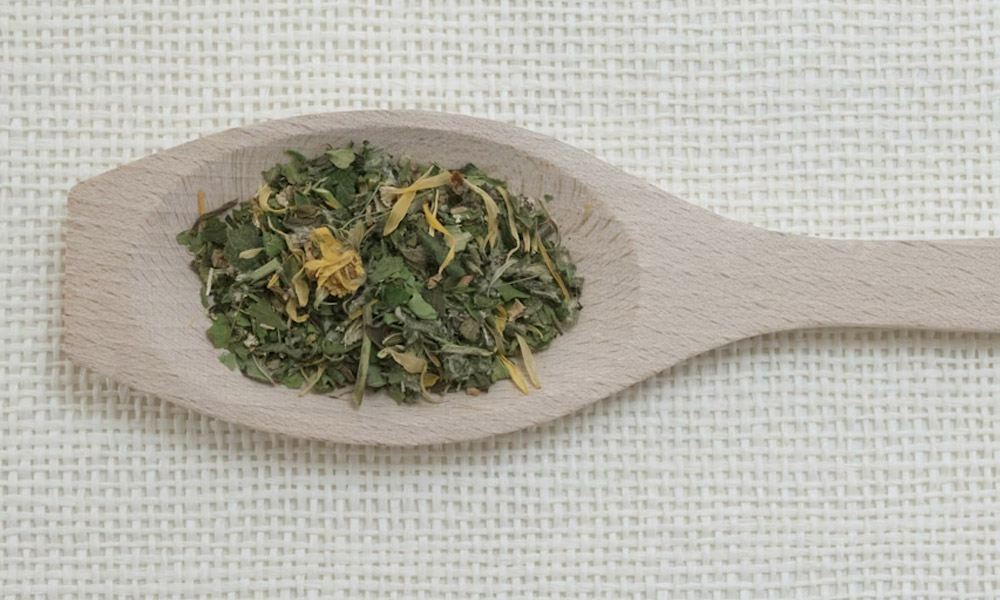
Have you ever wondered what gives your favorite curry or salsa that fresh, zesty flavor? That magical green herb is often koriandri — also known as coriander or cilantro. It looks simple, but it has a lot to offer.
Koriandri is used all over the world, from spicy street tacos in Mexico to creamy lentil soups in India. It’s more than just a garnish. It brings life and flavor to your food. Plus, it has health benefits and a rich history too!
In this article, we’ll explore everything you need to know about koriandri. We’ll talk about what it is, how it grows, how people use it in different cultures, and how you can use it to make your meals better and healthier. Let’s begin!
What Is Koriandri?
Koriandri is a green leafy herb that comes from a plant called Coriandrum sativum. It belongs to the parsley family and has been used for thousands of years in cooking and medicine.
You can eat almost every part of the plant—its leaves, seeds, and stems. Each part has a different flavor. The leaves taste fresh and citrusy, while the seeds are warm and nutty when crushed or ground.
It also has many names. In India, it’s called dhania. In Latin America and the U.S., the leaves are often called cilantro, and the seeds are called coriander. But no matter what you call it, koriandri is loved for its bold taste and wonderful smell.
How Koriandri Looks and Grows
Koriandri is not just tasty—it’s also a pretty plant. It has soft, green leaves that look a bit like flat parsley. When it grows bigger, it can reach up to 3 feet tall and blooms with tiny white or light pink flowers.
This herb likes cooler weather, so spring and fall are the best seasons to grow it. It grows fast, which means you can start using the leaves just a few weeks after planting the seeds.
The best part? You can grow koriandri at home, even if you don’t have a garden. All you need is a pot with soil, some sunshine, and regular watering. It’s fun and easy, and soon your kitchen will smell amazing with fresh koriandri leaves.
Koriandri in Different Cultures
Koriandri is a global superstar. It’s used in so many countries and in so many different ways. In India, it’s added to almost every dish—curries, chutneys, rice, and even yogurt. In Mexico, you’ll find it in salsa, guacamole, and tacos. In Vietnam, it’s often used to garnish pho (a noodle soup). In the Middle East, it’s mixed into rice and meat dishes.
But koriandri is more than just food. In some cultures, it’s part of special rituals. In Middle Eastern traditions, it’s seen as a symbol of hospitality. In India, it’s often used during festivals and weddings. People believe it brings freshness and good energy.
This shows that koriandri isn’t just a kitchen ingredient—it’s a part of people’s lives, memories, and traditions around the world.
Common Culinary Uses of Koriandri
There are so many delicious ways to use koriandri in your meals. The fresh leaves are perfect for adding on top of hot dishes right before serving. This keeps their flavor strong and bright. You can use them in:
-
Salads
-
Soups
-
Stir-fries
-
Rice dishes
-
Tacos and wraps
The seeds are also very popular. They can be used whole or ground into powder. Ground koriandri seeds are used in spice mixes like garam masala or curry powder. They add a deep, warm taste to stews, roasted veggies, and marinades.
Some people even blend koriandri into sauces and dips, like chutney or green hummus. It gives the dish a fresh kick that’s hard to resist!
Health Benefits of Koriandri
Koriandri is not just tasty—it’s also good for your health. It’s packed with vitamins A, C, and K, which help keep your skin, eyes, and immune system strong.
It also has antioxidants, which protect your body from damage and can help reduce swelling and stress. Some studies even show that koriandri may:
-
Lower blood sugar levels
-
Help with digestion
-
Improve heart health
-
Fight harmful bacteria
If you’ve ever had an upset stomach and sipped on herbal tea, there’s a good chance koriandri was one of the ingredients. That’s how helpful it can be for your gut!
Why Some People Don’t Like Koriandri
Have you ever met someone who says, “Koriandri tastes like soap”? Don’t worry—it’s not your cooking! This strange reaction happens because of genetics.
Some people have a gene that makes them very sensitive to certain compounds in koriandri leaves. To them, it smells and tastes like soap, while others enjoy its fresh and zesty flavor.
If you’re one of those people, you can try using the seeds instead of the leaves. They have a very different flavor—warm and nutty—and might be more enjoyable for you.
How to Grow Koriandri at Home
Growing koriandri at home is fun and simple. You don’t need a big garden. A small pot, some soil, and a sunny spot are enough. Koriandri loves sunlight, so place it near a window or on a balcony.
Start with seeds. Plant them about 1 inch apart and cover them lightly with soil. Water gently to keep the soil moist, but not soggy. In about 1 to 2 weeks, you’ll see small green shoots appear. That’s when the magic begins!
As the plant grows, you can start picking the leaves. Snip a few at a time so the plant can keep growing. If it starts to flower, you can collect the seeds too. That’s how you get both fresh koriandri leaves and coriander spice from the same plant!
How to Store Fresh Koriandri
Fresh koriandri can wilt quickly if not stored right. But with a few easy tricks, you can keep it fresh for longer.
One way is to place the stems in a glass of water, like flowers. Then cover the leaves loosely with a plastic bag and store it in the fridge. This keeps it fresh for about a week.
Another method is wrapping the leaves in a damp paper towel and placing them in a zip bag or container. This keeps the moisture in and prevents drying. You can also freeze chopped koriandri in ice cube trays with a little water or oil for cooking later.
Fun and Tasty Ways to Cook with Koriandri
There are so many exciting ways to use koriandri in your kitchen. Want a simple idea? Sprinkle chopped fresh leaves over your soup or curry before serving. It adds a bright, fresh taste.
You can also mix koriandri into salads, stir-fries, or rice bowls. Try blending it into chutneys, sauces, or guacamole for extra flavor. Even a small amount can bring life to your dish.
The seeds are great too. Toast them in a pan to bring out the aroma, then grind them and add to spice mixes, roasted vegetables, or even homemade bread. It’s a small step that adds a big flavor!
Koriandri in Modern Wellness Trends
In 2025, koriandri isn’t just a cooking herb—it’s also part of the wellness world. People are using it in herbal teas, detox smoothies, and even natural skincare.
Because of its antioxidants and natural oils, koriandri is believed to help the body fight stress and support better digestion. Some even drink koriandri water in the morning for a gentle cleanse.
It’s also common in plant-based diets and clean eating plans. Whether you’re blending it into a green juice or sprinkling it on a veggie bowl, koriandri helps keep your food fresh and healthy.
Fresh vs. Dried: Which Koriandri Should You Use?
Both fresh and dried koriandri have their own charm. Fresh leaves are perfect for finishing dishes. They bring a sharp, citrusy flavor that wakes up the taste.
Dried koriandri seeds are great when you want a deeper, earthier taste. They’re ideal for cooking long meals like soups, sauces, or roasted dishes. You can also grind them into powder to add to spice blends.
If you like variety, try using both. For example, you can cook with the seeds and garnish with the fresh leaves. This gives your dish layers of flavor and makes koriandri shine in every bite.
Conclusion
Koriandri is more than just a green herb. It’s full of flavor, history, and health. It fits into so many dishes, from spicy curries to fresh salads, and adds something special every time.
It’s easy to grow, simple to store, and fun to use. Whether you love cooking or just want to eat healthier, koriandri is a smart choice. It brings color to your plate and goodness to your body.
So why not try it today? Add a handful to your next meal, plant some seeds in a sunny spot, or blend it into your favorite sauce. Once you start using koriandri, your kitchen will never be the same!
You may also read: Your Guide to هنتاوي.com: Anime News, Reviews, and More in Arabic