

Hardwood floors are the soul of a home. They provide warmth, character, and a timeless aesthetic that synthetic materials simply cannot replicate. However, even the toughest oak or maple eventually succumbs to the footsteps of time. When your floors begin to show their age—through deep scratches, fading, or structural “groans”—you face a pivotal home improvement dilemma: Should you refinish them or replace them entirely?
Every grain and grit has crossed our path during our time in professional wood flooring services. While we take pride in our ability to breathe new life into weary planks, we also know that sometimes, a fresh start is the only logical path. The truth is, there is no “one-size-fits-all” answer. The “best” option depends entirely on your specific situation, your budget, and the current health of your timber.
The Art of the Refresh: Refinishing
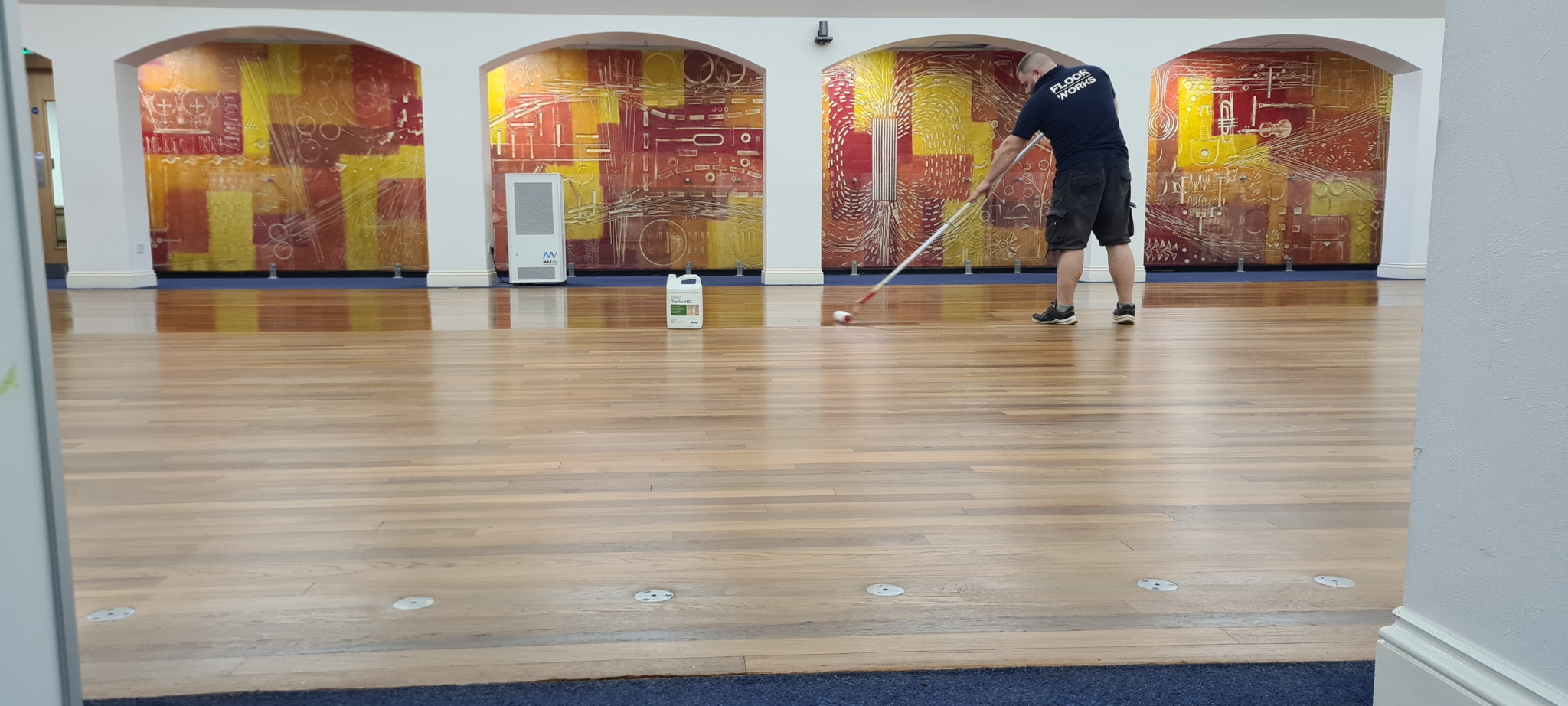
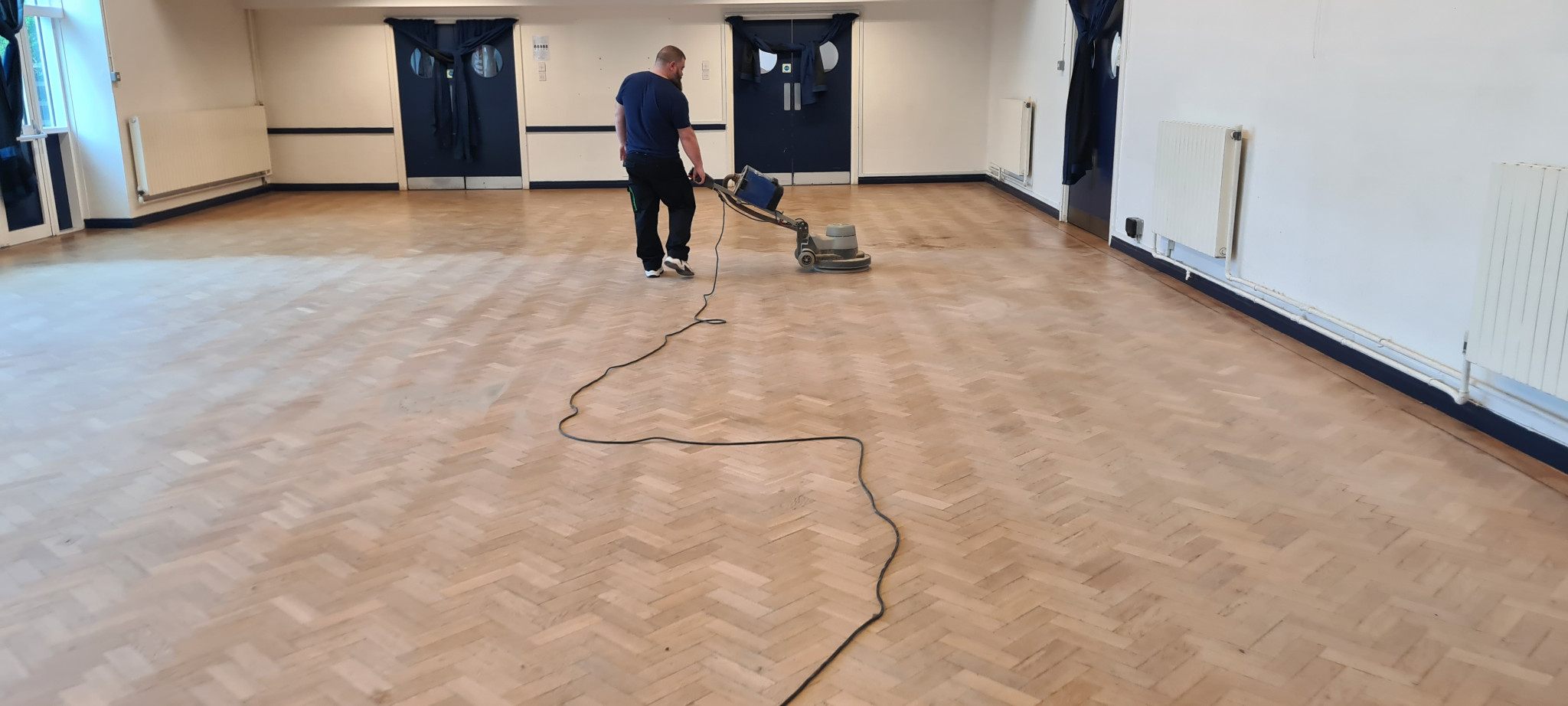
We strip away damage and apply a protective topcoat to transform worn planks through our professional wood floor refinishing services. It is a transformative process that can make a fifty-year-old floor look like it was installed yesterday.
When Refinishing is the Clear Winner
- Surface-Level Scars: If your floors suffer from “pet-nails-at-high-speed” scratches, dullness from heavy foot traffic, or minor water rings that haven’t penetrated the wood fibers, refinishing is a miracle worker. It strips away the damage to reveal the pristine wood beneath.
- The Preservation of Character: If you live in a historic home with original narrow-plank flooring, replacing them can often strip away the home’s soul. Refinishing allows you to keep that history and craftsmanship while updating the look for a modern era.
- Budget Consciousness: Generally, refinishing costs significantly less than a full replacement. You aren’t paying for new raw materials or the intensive labor of tearing out and disposing of an old floor. It is the most cost-effective way to increase your property value.
- Color Transitions: If you’re tired of a dated orange-oak look, you don’t need new floors. A professional sand-and-stain can transform your existing floor to a modern ebony, a soft gray, or a natural matte finish.
The Technical Limit: The Wear Layer
Every solid hardwood floor has a “life expectancy” determined by its wear layer. This is the thickness of the wood above the “tongue” of the tongue-and-groove joint. If your floors have already been sanded five or six times over the last century, there may not be enough wood left to sand again without hitting the nails. In this technical scenario, refinishing is no longer a viable or safe option.
The Clean Slate: Replacement
Replacement service involves tearing out the existing wood, inspecting the subfloor, and installing brand-new planks. It is a major undertaking, but in certain scenarios, it is the only way to ensure the long-term health and safety of your home.
When Replacement is Necessary
- Structural Integrity and Water Damage: If your floors have suffered “cupping” (edges higher than the center) or “crowning” (center higher than the edges) due to extreme moisture damage or flooding, the wood fibers may be permanently warped. No amount of sanding can flatten a board that has been structurally compromised.
- Change of Species or Width: Style trends evolve. If you currently have thin 2-inch planks but dream of the modern look of 7-inch wide-plank European Oak, refinishing won’t get you there. Replacement allows you to completely redefine the room’s architecture.
- Subfloor Issues: Sometimes the problem isn’t the wood—it’s what’s underneath. If your floors are excessively bouncy or squeaky despite being nailed down, we often need to pull up the planks to repair the subfloor or joists.
- The “Paper Thin” Problem: As mentioned, if the wood has been sanded down to the point where the “tongue” of the board is exposed, the floor has reached the end of its life cycle. Attempting to sand this would result in the wood splintering and breaking away.
Comparing the Investment Factors
When weighing these two paths, it helps to look at the practical impact each choice has on your daily life and your wallet.
The Financial Aspect
Refinishing is primarily a labor-based cost. You are paying for the expertise of the sanding and the quality of the finish. Replacement, however, includes the cost of the new wood—which varies wildly by species—plus the labor for demolition and installation. On average, replacement can cost three to five times as much as a high-quality refinish.
The Time and Logistics
A standard refinishing project usually takes 3 to 5 days, depending on the type of finish (oil-based vs. water-based) and drying times. Replacement is a longer commitment, often spanning one to two weeks, as it involves removing the old floor, acclimating the new wood to your home’s humidity, and the final installation.
Long-Term Value
Refinishing adds about 10 to 15 years of beauty before it may need another screen and coat. A total replacement is a 50-year investment. If you plan on staying in your home for the next several decades, a total replacement with a high-durability wood species may actually be the more “economical” choice when viewed over a lifetime.
Our Philosophy: Honesty Over Sales
We aren’t here to sell you the most expensive package; we’re here to provide a floor that lasts. Our professional process begins with a comprehensive structural assessment. We look for moisture levels using digital meters to ensure the wood is stable, we measure the remaining wear layer to see if it can handle a sander, and we check for “movement” that suggests subfloor failure.
If your floors have the “meat” left on them to be saved, we will almost always recommend refinishing. It’s more sustainable, faster, and honors the materials already in your home. However, if we see signs of dry rot, termite damage, or extreme thinning, we will be candid with you: spending money on refinishing a “dead” floor is an investment that won’t last.
Making Your Final Decision
Before you call us for a consultation, consider your ultimate goals. If you are preparing to sell your home, a professional refinish provides an incredible return on investment. If you are moving into your “forever home” and the current floors don’t match your vision or feel unstable, a replacement offers the peace of mind that comes with a fresh start.
Whatever you choose, remember that wood is a natural, living material. Whether we are meticulously sanding away decades of wear or laying down the first plank of a brand-new masterpiece, our goal is to ensure that when you walk through your front door, you love what you see—and feel—beneath your feet.