

Introduction
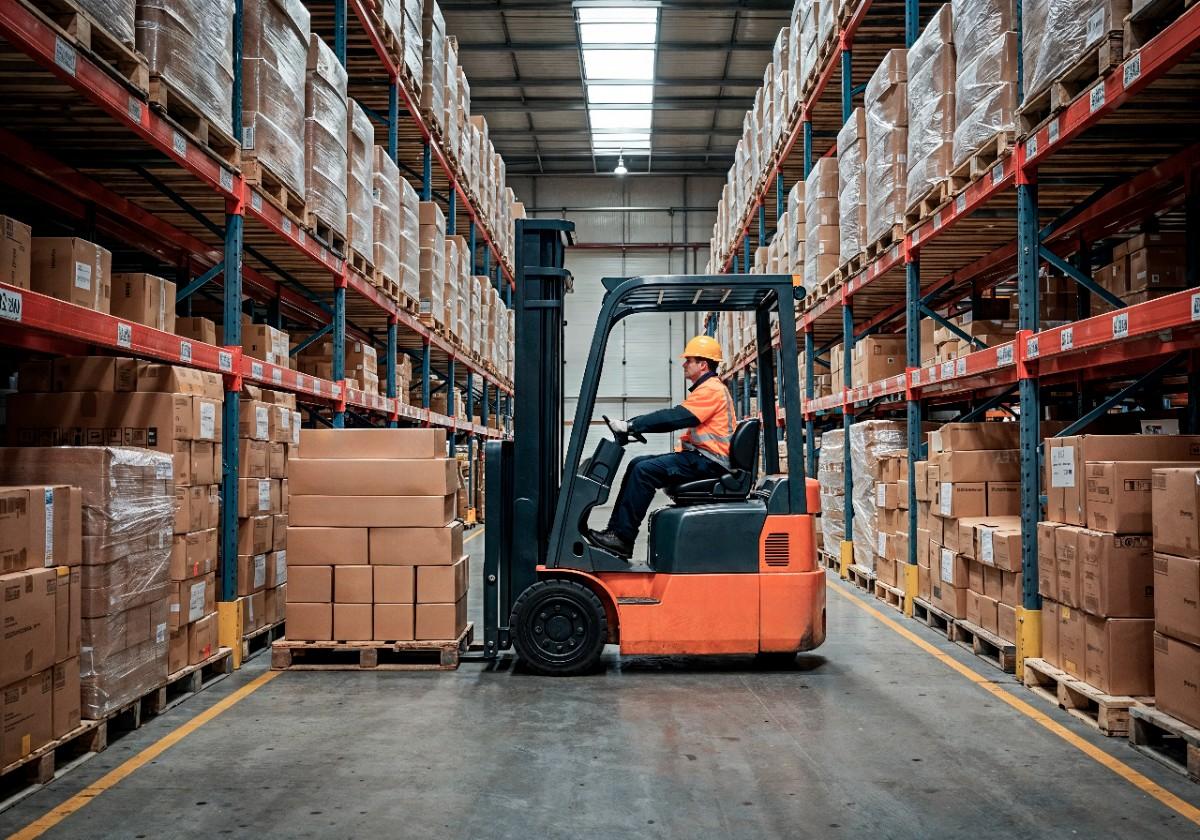
Forklifts are an essential part of daily operations in warehouses, manufacturing facilities, distribution centers, construction sites, and logistics companies. These powerful machines are designed to move heavy loads efficiently while improving productivity and workplace safety. Because forklifts operate continuously under demanding conditions, every component experiences wear over time. Replacing damaged or worn components with high-quality Forklift parts is essential for maintaining equipment reliability, minimizing downtime, and protecting your investment.
A forklift is only as dependable as the parts that keep it running. Hydraulic systems, braking components, steering assemblies, tires, batteries, electrical systems, and lifting mechanisms must all function properly to deliver safe and efficient performance. Delaying replacement of worn components often results in larger mechanical failures, expensive repairs, and unexpected operational interruptions. Professional forklift parts suppliers provide businesses with reliable replacement components that restore performance, extend equipment lifespan, and keep material handling operations running smoothly.
Why Quality Forklift Parts Matter
Every forklift contains hundreds of individual components that work together to lift, transport, and position heavy materials safely. When one part begins to fail, it often places additional stress on surrounding systems, accelerating wear and increasing repair costs.
Using quality replacement parts ensures every component performs according to manufacturer specifications. Properly engineered parts offer improved durability, accurate fitment, and dependable operation under demanding working conditions.Investing in premium replacement components helps businesses avoid unnecessary downtime while maximizing equipment performance throughout the forklift’s service life.
Components That Experience Regular Wear
Daily forklift operation naturally causes certain components to wear more quickly than others. Tires experience constant contact with warehouse floors and outdoor surfaces, while brakes gradually wear as equipment stops and starts throughout each shift.
Hydraulic hoses and seals operate under high pressure and may eventually require replacement to prevent fluid leaks. Filters also need regular replacement to maintain clean engine oil, hydraulic fluid, fuel systems, and airflow.Other frequently replaced components include batteries, forks, mast rollers, lift chains, bearings, steering parts, electrical switches, lights, sensors, belts, cooling system components, and transmission parts.Routine inspections help identify these items before they affect equipment performance.
Hydraulic Parts and System Performance
The hydraulic system is responsible for providing the lifting power that allows forklifts to safely raise and lower heavy loads. Hydraulic pumps, cylinders, hoses, valves, fittings, seals, and filters all contribute to smooth equipment operation.
Over time, hydraulic components may develop leaks, lose pressure, or become contaminated by worn fluid. Replacing damaged hydraulic parts restores lifting performance while protecting other expensive components from unnecessary damage.Proper hydraulic maintenance also improves lifting accuracy and overall operator confidence during daily operations.
Forks, Mast Components, and Lift Chains
Forks perform the primary lifting function on every forklift and are subjected to tremendous stress during normal operation. Bent, cracked, or excessively worn forks should always be replaced immediately to maintain safe load handling.The mast assembly also contains rollers, bearings, guide rails, and lift chains that require routine inspection. Worn mast components reduce lifting stability while increasing wear on other mechanical systems.Replacing these components as needed ensures reliable lifting performance and smooth vertical movement.
Tires and Wheels
Forklift tires play an important role in stability, maneuverability, and workplace safety. Different applications require different tire designs depending on whether equipment operates indoors or outdoors.Cushion tires are commonly used inside warehouses because they provide excellent maneuverability on smooth surfaces. Pneumatic tires perform better on uneven outdoor terrain where additional traction and shock absorption are necessary.
Replacing worn tires improves steering response, braking performance, operator comfort, and overall equipment stability.
Brake System Components
Safe forklift operation depends on reliable braking performance. Brake pads, drums, hydraulic cylinders, brake lines, and parking brake assemblies gradually wear with normal use.Ignoring worn brake components can reduce stopping ability and increase workplace safety risks. Replacing damaged brake parts restores dependable braking while protecting operators, nearby employees, and valuable inventory.Routine brake inspections should always be part of a comprehensive forklift maintenance program.
Electrical and Battery Components
Electric forklifts depend on reliable electrical systems to deliver consistent performance throughout each workday. Batteries, chargers, wiring, controllers, relays, switches, sensors, and electrical connectors all require regular inspection.Battery performance naturally declines after repeated charging cycles, eventually requiring replacement to maintain productivity. Electrical problems should also be addressed quickly to prevent operational interruptions.Quality electrical replacement parts improve equipment reliability while reducing unexpected downtime.
Engine and Cooling System Parts
Internal combustion forklifts rely on properly functioning engines to provide dependable lifting power. Engine oil filters, fuel filters, spark plugs, ignition components, belts, hoses, radiators, cooling fans, and water pumps all contribute to efficient engine operation.Routine replacement of maintenance components helps improve fuel efficiency while reducing engine wear. Well-maintained engines provide reliable performance even under demanding operating conditions.Proper cooling system maintenance also prevents overheating that could damage expensive engine components.
Filters and Routine Maintenance Parts
Routine maintenance parts are among the most commonly replaced forklift components. Clean filters protect engines, hydraulic systems, transmissions, and fuel systems from contamination that causes premature wear.
Air filters improve engine performance by ensuring proper airflow, while hydraulic filters remove debris that could damage pumps and cylinders. Oil filters maintain clean lubrication that protects moving engine parts.Replacing maintenance components according to manufacturer recommendations helps maximize equipment lifespan and reduce repair costs.
Improve Equipment Reliability
Professional Forklift parts help maintain dependable equipment performance by restoring systems affected by normal wear. Reliable forklifts experience fewer mechanical failures, allowing businesses to maintain consistent productivity throughout daily operations.
Employees can complete loading, unloading, stacking, and transportation tasks efficiently without unnecessary delays caused by equipment problems.Reliable machinery also improves customer satisfaction by supporting timely deliveries and uninterrupted production schedules.
Reduce Downtime and Repair Costs
Unexpected equipment failures can disrupt warehouse operations, delay shipments, and increase operating expenses. Replacing worn components before failure occurs helps minimize downtime while preventing damage to surrounding systems.
Preventive replacement strategies are often significantly less expensive than emergency repairs involving multiple damaged components.Businesses benefit from lower maintenance expenses while maintaining greater equipment availability throughout the year.
Support Workplace Safety
Forklifts operate in environments where employee safety remains a top priority. Every replacement component contributes to safe equipment operation by ensuring proper lifting performance, braking ability, steering control, and hydraulic reliability.Professional replacement parts help maintain compliance with manufacturer safety standards while reducing risks associated with mechanical failures.Properly maintained equipment provides operators with greater confidence during daily material handling activities.
Choosing the Right Parts Supplier
Selecting an experienced forklift parts supplier is just as important as choosing the correct replacement component. Professional suppliers maintain extensive inventories covering numerous forklift brands and models while providing expert technical assistance.
Knowledgeable specialists help customers identify compatible parts quickly, reducing equipment downtime and preventing installation errors.Reliable suppliers also provide quality aftermarket and OEM options that meet demanding operational requirements.
Long-Term Benefits of Quality Replacement Parts
Investing in premium replacement components offers lasting advantages for businesses of every size. Reliable parts improve equipment efficiency, reduce repair frequency, extend machine lifespan, and support consistent workplace productivity.
Preventive maintenance combined with quality replacement components also improves resale value while lowering total equipment ownership costs.Businesses that prioritize quality parts enjoy greater operational reliability and stronger long-term financial performance.
Conclusion
Reliable equipment depends on dependable forklift parts that keep every mechanical, hydraulic, and electrical system operating efficiently. Replacing worn components with high-quality parts improves equipment performance, enhances workplace safety, reduces downtime, and extends the service life of valuable material handling equipment.
Whether replacing tires, hydraulic components, batteries, brakes, filters, forks, or electrical systems, investing in professional forklift parts is one of the smartest decisions a business can make. By partnering with an experienced supplier and following a regular maintenance schedule, companies can maximize productivity, protect their equipment investment, and keep operations running efficiently for years to come.