


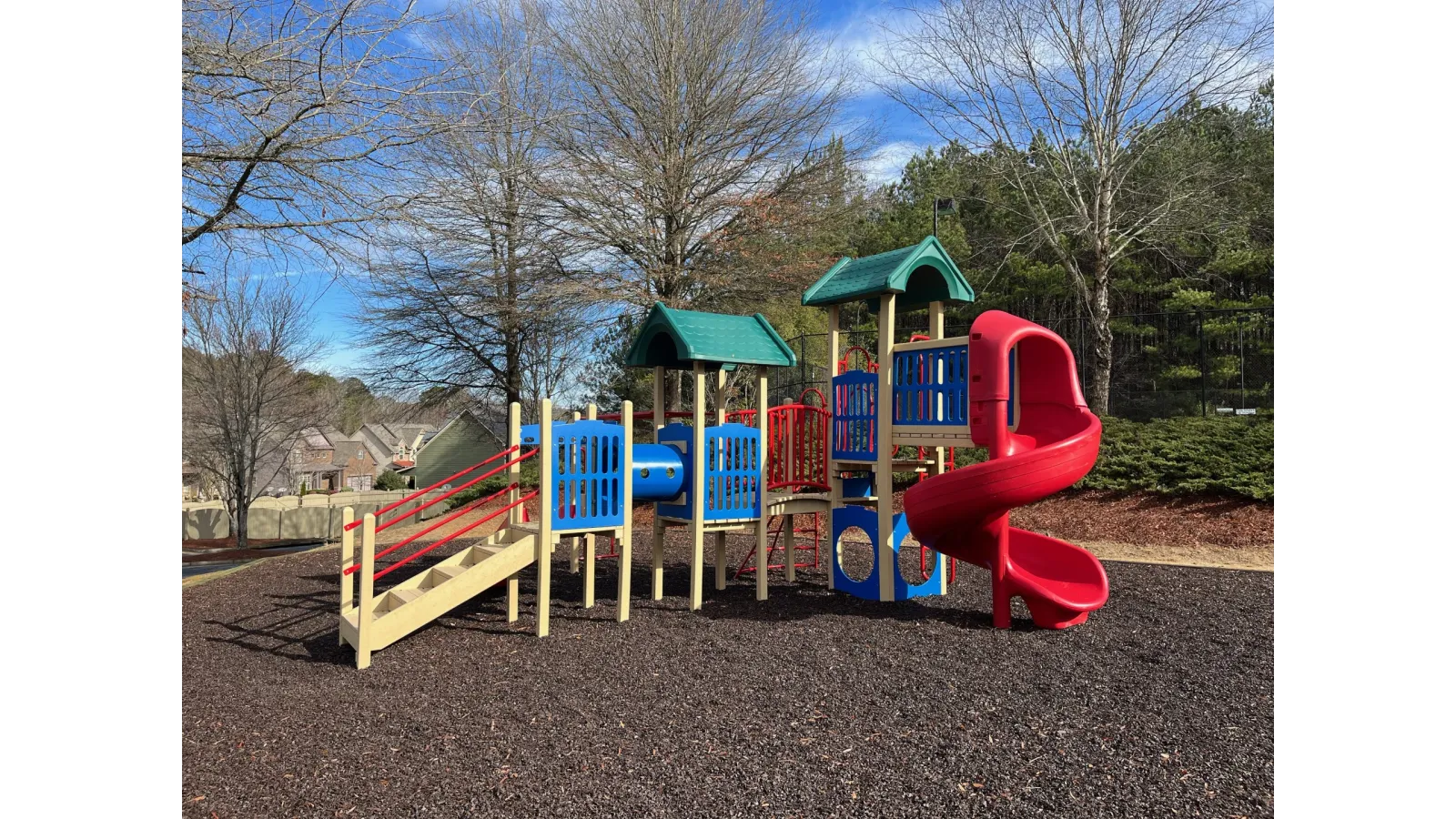
Playgrounds are more than simple outdoor areas filled with equipment. They are spaces where children develop physical abilities, creativity, confidence, and social skills through active play. A thoughtfully planned playground can encourage exploration, improve coordination, and provide a safe environment where children can enjoy meaningful experiences. Whether created for schools, parks, communities, or private properties, a well-designed play area should balance fun, safety, accessibility, and durability.
Every location has unique requirements, which is why many property owners choose personalized solutions instead of standard playground layouts. A professional custom playground design process allows designers to create play environments that match available space, age groups, safety expectations, and specific goals. By combining creative concepts with practical planning, custom playgrounds can become valuable spaces that encourage learning, movement, and interaction.
The Importance of a Well-Planned Playground
A playground should be designed with more than appearance in mind. The arrangement of equipment, safety features, materials, and activity zones all influence how children interact with the space. A poorly planned playground may create unnecessary risks, while a carefully designed area can support healthy development and enjoyable experiences.
Children benefit from environments that encourage different types of movement. Climbing structures improve strength and coordination, balance activities develop body control, and imaginative play areas encourage creativity and communication.
A professionally planned playground also helps maximize available space. Designers consider the size and shape of the area to create an efficient layout that provides multiple activities without making the space feel crowded.
Safety is one of the most important aspects of playground planning. Proper spacing, impact-absorbing surfaces, strong materials, and age-appropriate equipment all contribute to a safer play environment.
Understanding Custom Playground Design
A customized playground is created specifically for a particular location and group of users. Instead of selecting a standard structure, property owners can work with designers to develop a concept that reflects their goals and preferences.
The custom playground design process typically begins with understanding the needs of the space. Designers evaluate factors such as available area, expected number of users, age ranges, accessibility requirements, and desired activities.
A custom approach allows for greater creativity. Themes, colors, layouts, and features can be adjusted to create a unique environment that stands out from traditional playgrounds.
For example, a nature-inspired playground may include wooden textures, climbing elements, and imaginative spaces, while a modern playground may focus on bold colors, interactive features, and innovative equipment.The goal is to create a playground that is both visually appealing and functional for the intended users.
Benefits of a Custom Playground
One of the biggest advantages of a customized playground is that it meets the specific needs of the community or property. Standard playgrounds may not always fit the available space or provide the desired activities.
A custom design allows owners to choose features that encourage different types of play. Active zones, creative areas, quiet spaces, and interactive elements can all be incorporated into the layout.Another benefit is improved user engagement. Unique playground designs often encourage children to explore and return because they provide new challenges and experiences.
Custom playgrounds can also improve the appearance and value of a property. A well-designed play area creates an attractive outdoor environment that benefits schools, residential communities, and public spaces.Accessibility is another important advantage. Custom planning makes it easier to include features that allow children of different abilities to participate and enjoy the space.
Important Elements of Playground Planning
Successful playground development requires careful consideration of several key elements. The first is understanding the target users. Different age groups have different physical abilities and safety needs.
Play areas for younger children usually require lower structures, simpler activities, and additional safety features. Older children may benefit from more challenging climbing equipment, obstacle courses, and advanced movement activities.
The layout of the playground is also important. Designers often separate areas based on activity levels to create better organization. Active play zones can be positioned away from quieter areas where children relax or engage in imaginative activities.
The selection of materials affects durability, maintenance, and safety. Equipment should be made from strong materials that can withstand regular use and outdoor conditions.Surface selection is equally important. Proper playground surfacing helps reduce the impact of falls and provides a safer environment for children.
Choosing the Right Playground Features
The features included in a playground determine how children interact with the space. Popular options include slides, swings, climbing structures, balance elements, tunnels, and interactive panels.Climbing equipment supports physical development by improving strength, coordination, and problem-solving skills. It encourages children to test their abilities and build confidence.
Slides provide excitement and help develop balance and movement control. Different heights and styles can be selected depending on age requirements.
Swings remain a classic playground feature because they support physical activity while providing an enjoyable experience.Interactive features such as sensory panels, musical elements, and creative play stations encourage imagination and social interaction.
A professional designer helps select features that create a balanced play environment rather than simply filling the space with equipment.
Safety Considerations in Playground Design
Safety should always be a top priority when creating a playground. Every element, from equipment placement to surface materials, should be carefully planned to reduce potential risks.
Proper spacing between structures prevents overcrowding and allows children to move safely. Equipment should be designed according to appropriate safety standards and age recommendations.Impact-absorbing surfaces are essential because falls are a normal part of childhood play. Materials such as rubber surfacing, engineered wood fiber, and other protective options help reduce injury risks.
Regular inspections and maintenance are also necessary after installation. Even high-quality playgrounds require ongoing care to ensure equipment remains secure and functional.A well-designed playground combines adventure and safety so children can enjoy challenging activities in a protected environment.
The Role of Creativity in Playground Design
Creativity transforms ordinary playgrounds into memorable experiences. A creative approach considers how children imagine, explore, and interact with their surroundings.Themes can make playgrounds more engaging. Designs inspired by nature, exploration, transportation, or storytelling can encourage imaginative play.
Creative layouts also help children develop social skills. Spaces that encourage cooperation, role-playing, and group activities support communication and teamwork.
A unique playground design can become a recognizable feature of a community or organization. Schools and public spaces often use creative playgrounds to create welcoming environments for families.The best playgrounds combine practical functionality with imaginative elements that inspire curiosity.
Accessibility and Inclusive Play Areas
Modern playground design increasingly focuses on creating spaces where children of all abilities can participate. Inclusive playgrounds consider physical, sensory, and developmental differences.Features such as accessible pathways, transfer-friendly equipment, sensory activities, and inclusive seating areas allow more children to enjoy the space.
A thoughtfully designed playground removes unnecessary barriers and encourages interaction between children with different abilities.Accessibility is not only about meeting requirements; it is about creating an environment where every child feels welcome and included.Regular maintenance is essential for protecting the safety and appearance of a playground. Inspections should be performed regularly to identify loose components, damaged surfaces, or signs of wear.
Cleaning equipment and surfaces helps maintain a healthy environment. Outdoor structures should also be checked for weather-related damage.Small repairs should be completed quickly to prevent larger issues. Proper maintenance extends the lifespan of equipment and keeps the playground enjoyable for users.A maintenance plan should be considered during the planning stage to ensure long-term performance.
Choosing a Professional Playground Designer
Selecting an experienced playground designer is an important step in creating a successful play area. Professionals understand safety requirements, design principles, material selection, and installation processes.
A reliable designer should take time to understand the goals of the project and provide solutions that match the location and users.Reviewing previous projects can help property owners evaluate the quality and creativity of a designer’s work.
Working with skilled professionals ensures that the final playground is attractive, safe, durable, and enjoyable.
Conclusion
A playground is an investment in childhood development, community connection, and outdoor enjoyment. A carefully planned play area provides opportunities for physical activity, creativity, and social interaction while creating a welcoming environment for children.
A professional custom playground design approach allows property owners to create unique spaces that match their goals, available area, and user requirements. Through thoughtful planning, quality materials, creative features, and proper safety considerations, a custom playground can provide years of enjoyment.
By investing in expert design and ongoing maintenance, communities, schools, and private properties can create outdoor spaces that inspire imagination, encourage healthy activity, and bring people together.