


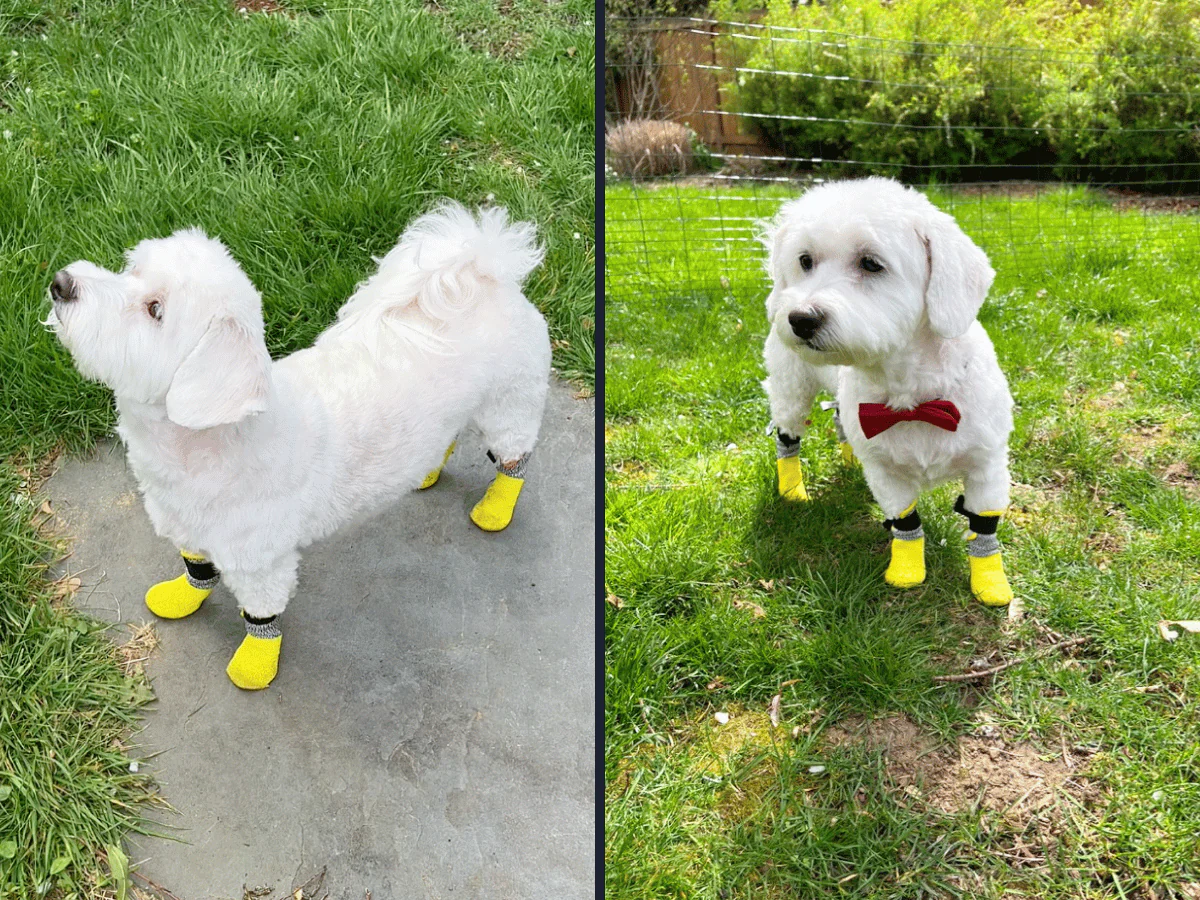
Most dog owners assume their pet’s paws are like built-in hiking boots. We see them running over grass, dirt, and gravel without a care in the world. It is easy to think those rough, leathery pads can handle anything. But the truth is, paw pads are living tissue. They are sensitive, susceptible to damage, and take a long time to heal once injured.
From scorching summer sidewalks to hidden glass shards in the grass, the modern world is full of hazards that nature didn’t design dogs to handle. This is where footwear comes in. It isn’t just about making your dog look cute; it is about preventing painful trips to the vet. In this guide, we will explore how protective dog shoes act as a shield against the most common injuries active dogs face.
The Reality of “Tough” Pads
Before we look at specific injuries, it is important to understand paw health. A dog’s paw consists of fat, connective tissue, and thick skin. While this offers some protection against rough terrain, it is not armor.
Think of your own feet. You build up calluses if you walk barefoot often, but you would still get cut if you stepped on a sharp rock. Dogs are no different. When they are excited and running, they put significant force on their feet. If they land on something sharp or hot, the damage happens instantly.
Preventing Cuts and Lacerations
One of the most frequent dog paw injuries veterinarians see is lacerations. These nasty cuts can occur anywhere—on a city walk or a forest trail.
Urban Hazards
City streets are often littered with debris we might not notice. Broken glass, rusty nails, metal scraps, and even discarded soda can tabs can slice through a paw pad in seconds. Because paws are vascular, these cuts tend to bleed heavily and are prone to infection due to constant contact with the ground.
Natural Hazards
Nature has its own set of dangers. Sharp rocks, jagged shale, thorny bushes, and burrs can pierce the skin. Protective dog shoes feature durable rubber soles that are impenetrable to most sharp objects. By creating a barrier between the foot and the ground, you ensure that a walk remains a walk, not a medical emergency.
Avoiding Thermal Burns
We often forget how hot the ground gets because we wear shoes. Asphalt, concrete, and sand absorb heat from the sun and retain it for hours.
On a day when the air temperature is 85°F (29°C), the asphalt can reach 135°F (57°C). At that temperature, skin destruction can occur in just 60 seconds. Thermal burns are incredibly painful. They cause the skin to blister and peel, making it impossible for the dog to walk comfortably.
Wearing breathable, heat-resistant shoes solves this problem entirely. Your dog can walk safely on hot surfaces without the risk of searing their pads. This is essential for maintaining good paw health during the summer months.
Protection Against Chemical Burns and Frostbite
Winter brings a double threat: extreme cold and chemical melting agents.
Frostbite
Just like human fingers, dog toes can get frostbite. Prolonged exposure to snow and ice restricts blood flow, leading to tissue damage. If you notice your dog lifting their paws or whining in the snow, their feet are likely freezing.
Chemical Burns
To melt ice, we use road salts and chemical de-icers. These substances are caustic. If they get stuck between a dog’s toes, they can burn the skin and cause ulcers. Furthermore, if a dog licks these chemicals off their paws, they can suffer from toxic poisoning.
Boots are the only 100% effective way to prevent this. They keep the paws dry, warm, and away from toxic substances.
Preventing Pad Tearing on Rough Terrain
Active dogs who love to run, fetch, and hike generate a lot of friction on their pads. On rough surfaces like tennis courts, rocky trails, or dry dirt, this friction can cause the pad to wear down raw or even tear a flap of skin loose. This injury is similar to a friction burn or a severe blister.
Using footwear like our Waterproof All-Terrain Dog Boots provides the grip your dog needs while absorbing the friction that would otherwise damage their skin. This is especially useful for working dogs or energetic breeds that don’t know when to slow down.
Conclusion
Our dogs give us their best every day, and they rely on us to keep them safe. We wouldn’t run a marathon barefoot, and we shouldn’t expect our dogs to navigate a hazardous world without protection.
By investing in a quality pair of protective dog shoes, you are proactively stopping dog paw injuries before they happen. Whether it is shielding them from hot pavement, sharp glass, or freezing chemicals, the right gear makes all the difference. Prioritize your pup’s paw health today, and enjoy worry-free adventures for years to come.