


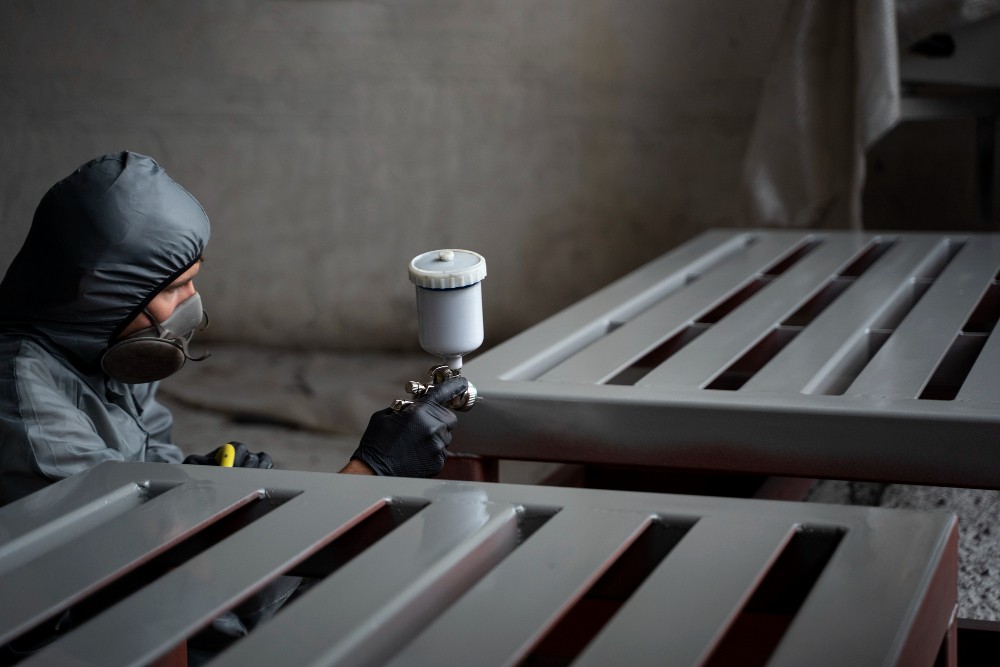
Heat-resistant paint for metal stands as a specialised coating engineered to endure extreme temperatures, preventing rust, fading, and degradation on surfaces exposed to intense heat sources. Unlike standard paints that blister or peel under 200°C, these formulations incorporate silicone resins, ceramic particles, and metallic pigments to maintain integrity up to 800°C or higher. Professionals in automotive, industrial, and DIY sectors rely on them for long-lasting protection.
Paintlab.ie serves as a trusted retailer and expert source, curating spray heat-resistant paints suited for Irish climates where dampness accelerates corrosion alongside heat stress. Proper selection ensures surfaces like engine parts or fireplaces remain pristine for years.
Core Properties and Temperature Ratings
Heat-resistant paints for metals are classified by maximum withstand temperature: low (up to 300°C for domestic ovens), medium (500-600°C for barbecues and stoves), and high (800°C+ for exhausts and kilns). Silicone-based formulas cure via heat activation, forming a hard, flexible film resistant to thermal shock. Matt or satin finishes hide imperfections while reflecting heat.
Key additives like aluminium or zinc flakes enhance adhesion to ferrous and non-ferrous metals, resisting oxidation in salty coastal Irish environments. Application thickness matters—two to three thin coats prevent cracking.
Ideal Applications in the Automotive Sector
Automotive exhausts, manifolds, and brake callipers demand 600°C+ resistance to withstand engine bay temperatures peaking at 700°C. Spray formats allow precise coverage around complex shapes without runs. Headers painted black or silver reduce underhood heat by 20-30%, improving component longevity.
Paintlab.ie stocks aerosol options perfect for DIY mechanics restoring classic cars, where vintage silencers face both road salt and hot gases. Pre-treatment with etch primer boosts bonding on rusty manifolds.
Industrial and Manufacturing Uses
Factories coat machinery frames, boilers, and pipelines with heat-resistant paints to combat friction heat and chemical exposure. Silicone coatings on smoke stacks endure 650°C continuous operation, cutting maintenance downtime. Foundry workers protect tools from molten metal splashes up to 1200°C with ceramic-infused variants.
For Irish breweries or food processors, NSF-approved food-safe versions prevent contamination in ovens. Paintlab.ie recommends multi-pack sprays for bulk projects, ensuring uniform coverage on large steel structures.
Domestic and DIY Projects
Home barbecues, wood burners, and chimneys benefit from 400-500°C paints that cure during first use, transforming rusty grills into sleek finishes. Radiators and central heating pipes gain corrosion barriers, especially in humid Irish homes. Fire pits and garden incinerators stay vibrant through seasonal use.
Exterior metal railings near chimneys avoid peeling—apply over rust converter for best results. Explore ready-to-use sprays at Paintlab.ie, simplifying professional outcomes for hobbyists.
Surface Preparation Essentials
Success hinges on preparation: degrease with solvent, abrade to bright metal, and apply zinc phosphate primer for adhesion. Mask non-metal areas to avoid overspray. Baking at 160-200°C post-application activates full resistance, though air-dry variants suffice for field work.
Test compatibility on scrap metal; avoid PVC plastics that soften. Paintlab.ie guides emphasise safety gear like respirators during curing fumes.
Application Techniques for Optimal Results
Thin, even coats (20-30 microns dry film) via 20-30cm spray distance prevent sags. Multiple passes build 80-100 microns total, curing progressively. Ventilation remains critical—Irish garages need fans for solvent evaporation. Touch-dry in 30 minutes, handle after 24 hours.
Advanced users stencil logos on industrial pipes; hobbyists distress finishes for patina effects. Recoat rusty spots annually for maintenance.
Comparing Silicone vs. Ceramic Formulas
Silicone paints excel in flexibility for vibrating parts like exhausts, flexing without alligatoring. Ceramic versions offer superior abrasion resistance for high-wear floors. Hybrid blends balance both, ideal for marine engines. Cost per litre reflects performance—€15-€30 for aerosols.
Paintlab.ie curates tested brands matching Irish building codes.
Maintenance and Longevity Factors
Properly applied coatings last 5-10 years, resisting UV, salt spray, and thermal cycling. Inspect for chalking; touch-up with matching aerosols. Avoid abrasive cleaners—mild soap suffices. In coastal Ireland, zinc-rich primers extend life further.
Safety and Environmental Considerations
Low-VOC aerosols minimise fumes, but curing releases siloxanes—ventilate outdoors. Wear gloves to prevent skin sensitisation. EU-compliant formulas avoid heavy metals. Dispose of cans as hazardous waste in accordance with Irish EPA guidelines.
Advanced Tips from Industry Experts
Layer with clear topcoats for gloss on show cars; thin with thinners for brush-on repairs. Test heat guns simulate curing for quick fixes. Pair with thermal barriers on plastic manifolds.
Choosing Quality Products
Look for EN ISO certifications and batch codes for traceability. Aerosol pressure indicators ensure consistent flow. Paintlab.ie vets suppliers for reliability.
Conclusion
Heat-resistant paint for metal transforms vulnerable surfaces into durable assets across automotive, industrial, and home uses. Paintlab.ie stands as your expert partner, offering premium sprays and guidance for flawless, long-lasting results in Ireland’s demanding conditions
At PaintLab, our mission is to make premium paints and finishes accessible, reliable, and inspiring for every project. We work closely with skilled professionals and designers to ensure our customers receive expert guidance, high-quality materials, and a seamless purchasing experience. By focusing on craftsmanship, innovation, and long-lasting results, we help bring creative visions to life with confidence and precision.
Director, PaintLab