


Our mental and physical health can have a massive impact on how we can enjoy our lives. As well as general quality of life, better mental and physical health will mean that we’re more likely to live longer and have fewer limitations in our lives.
While we can’t control every aspect of our lives and might not be able to prevent certain health conditions, there is a significant amount that we can do to be healthier and hopefully happier people. This post will explore the links between our physical and mental health, as well as how we can take better care of our health as a whole.
The Link Between Physical and Mental Health
There have been a lot of studies conducted in recent years about the potential links between physical and mental health. While they are different conditions that affect different parts of our bodies, it has often found that people who have mental health issues are disproportionately likely to have a physical condition as well.
There are a few potential reasons behind this. For starters, some people who have severe mental health problems aren’t able to sufficiently look after their physical health or even access appropriate healthcare, meaning that they’re more vulnerable to physical health problems.
There’s also the fact that poor physical health is an added stress and, in some cases, can be traumatic. For example, people are more likely to develop depression or anxiety after a serious injury.
It stands to reason that, by looking after your body and mind together, you can make more progress as you try to live a healthier lifestyle.
Regular Exercise
It’s no secret that exercise is good for your health. Regular exercise and good general fitness have been linked to a reduced risk of cardiovascular health problems, and people who are fit in their youth often remain fitter even as they get older. But exercise is also beneficial for your mental health as well.
A Fitness Routine
If you want to get fitter, the most efficient way is often to go to the gym with a specific goal in mind. This is obviously great for your health, but it’s also good for your mental health, as long as you’re balanced.
Set realistic goals for yourself and take it slow to start with. You will find that, as you progress and reach your goals, you feel confident and proud of yourself. Your body also releases endorphins as you exercise, which is almost like a healthy “high” that makes you feel energized.
Work out with people for better results and more encouragement. A regular routine will also help you to keep up with your goals and continue to progress.
Exercising Outside
Going to the gym isn’t the only way to exercise. Outdoor activities are great for your general fitness, although often to a less focused degree than specific gym exercises, and they’re brilliant for your mental health.
Being outside is linked to less stress and anxiety, as sunlight and the presence of plants have a positive impact on our mood. Activities like hiking get you outside no matter what, and it’s always recommended to at least spend a short time outdoors every day. Even regular walks in the park will help you keep more active and improve your mood.
Playing sports outside turns exercise into a fun social activity.
In short, there’s no wrong or right way to exercise. Just do what works for you and what you find more rewarding.
Improving Your Sleep
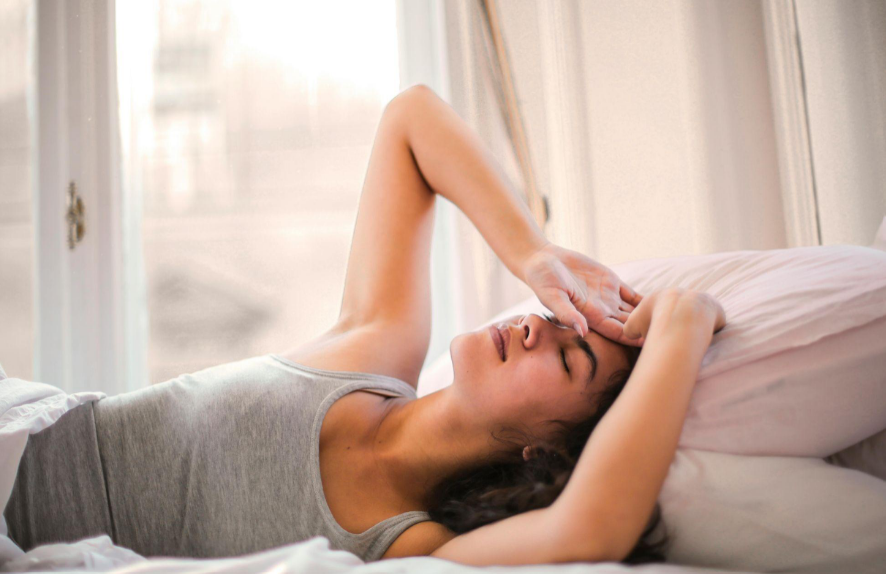
Sleep is a necessary biological function that keeps us healthy and alive. Unfortunately, a significant number of people live with chronic sleep deprivation. If you struggle to sleep, you might find that your mental and physical health decline.
For example, you might get headaches, find it hard to concentrate, or get more easily stressed. Our bodies heal during sleep, so you will also find it harder to recover from illnesses.
Try to go to sleep at the same time each night. Avoid devices late at night, give yourself at least half an hour to an hour before you go to sleep without looking at a bright device, and try to keep your room cool and dark.
The Benefits of Socialization
Being with people can be beneficial to your mental health and potentially even your physical health. As mentioned before, if you want to exercise more, consider going with a friend so you can both support each other.
Socializing gives you a chance to relax and, more importantly, to talk to your loved ones about things that might be troubling you. This can help you to process different stresses and even laugh about them.
Even introverted people need human contact to be healthy.
The Benefits of Alone Time
Of course, there are also benefits to spending time with yourself as company. Take out time during the day to have a few minutes or even longer alone. Spend this time reading, doing puzzles, drawing, journaling, or whatever else relaxes you.
You should also plan longer breaks. This prevents you from getting overwhelmed and burned out. After all, our bodies need rest. As well as sleeping, we also need waking rest, where we spend time on hobbies or just relaxing without any added pressures.
Seeking Professional Support
All of the tips so far are a great way to support your physical and mental health. You might find that it’s easier to cope with everyday stresses if you’re healthier, and you will feel more like yourself. But while these practices can be helpful, sometimes we need a bit more support.
Make sure that you have health insurance that covers necessary treatments. For example, Health first therapist offer weekly therapy sessions for people who need mental health treatment.
If you’re concerned about your physical or your mental health, you can also talk to your GP. They can offer medication or refer you to specialists who can give you specific treatment and advice.