

Have you ever felt strong pain in your upper belly after eating oily food and wondered what was wrong? Many people feel this and ignore it. But sometimes, this pain is linked to gallstones. This is where cholerhiasis comes in.
Cholerhiasis is a word you may see online or in older texts. It sounds serious and confusing. But don’t worry. In simple words, cholerhiasis is an old or mistaken term that people often use when they really mean gallstones. Doctors today call this problem cholelithiasis, but many people still search for cholerhiasis.
In this article, we will explain cholerhiasis in a very easy way. You will learn what it means, how your gallbladder works, what causes gallstones, who is at risk, and what symptoms to watch for. Everything is explained step by step, using simple words, just like a friendly chat.
What Cholerhiasis Really Means
Cholerhiasis is not a word doctors use today. Still, many people come across it and get confused. So let’s clear it up right away.
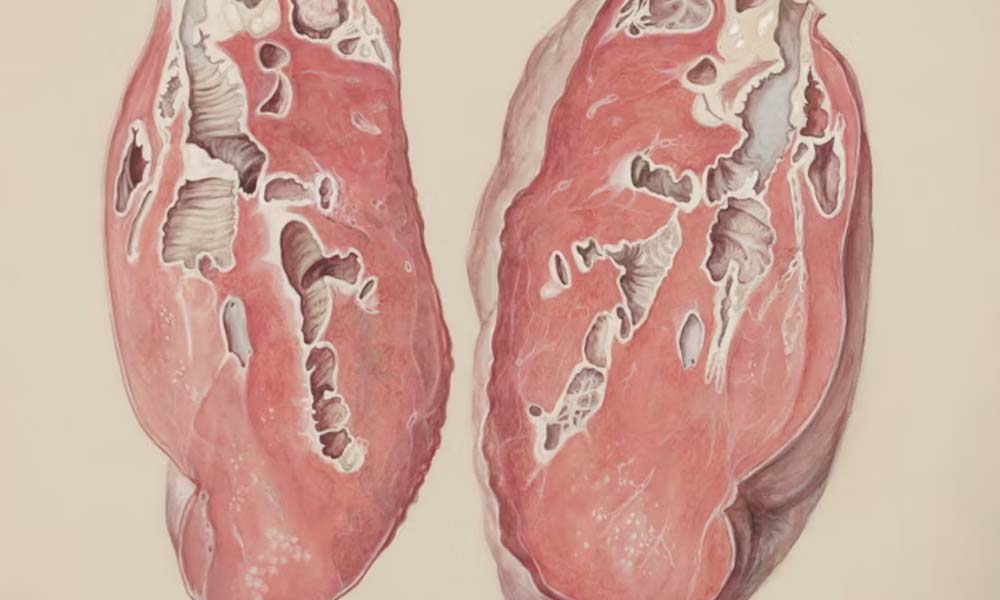
In simple terms, cholerhiasis means gallstones. It is often used by mistake instead of the correct medical word, cholelithiasis. Both words point to the same issue: hard stones forming from bile inside the gallbladder.
So if you ever see or hear the word cholerhiasis, don’t panic. It is just another way people refer to gallstones. The condition is real, common, and well understood by doctors today.
How the Gallbladder Works in Your Body
Your gallbladder is a small organ. It sits under your liver on the right side of your body. You don’t think about it much, but it plays an important role in digestion.
The gallbladder stores bile. Bile is a yellow-green liquid made by your liver. When you eat food, especially fatty food, your gallbladder releases bile into your gut. This bile helps break down fats so your body can use them.
Problems start when bile does not flow smoothly. If bile sits too long or has too much cholesterol or waste, it can turn hard. These hard pieces are gallstones, also known as cholerhiasis in older terms.
What Causes Cholerhiasis (Gallstones)?
Cholerhiasis happens when bile loses its balance. Bile is made of cholesterol, bile salts, and waste like bilirubin. When these parts are not balanced, stones can form.
One common cause is too much cholesterol in bile. When there is more cholesterol than bile can handle, it starts to harden. Over time, this can turn into stones.
Another cause is when the gallbladder does not empty fully. If bile stays inside too long, it becomes thick. This thick bile can slowly form stones. This is how cholerhiasis develops in many people.
Who Is Most at Risk for Cholerhiasis?
Some people are more likely to develop cholerhiasis than others. This does not mean it will happen, but the risk is higher.
Women have a higher risk than men. Hormones like estrogen play a role. Pregnancy and hormone medicines can also increase the risk. Age matters too. People over 40 are more likely to get gallstones.
Other risk factors include being overweight, having diabetes, losing weight too fast, or having a family history of gallstones. Even healthy people can develop cholerhiasis, so it’s not always easy to predict.
Signs and Symptoms You Shouldn’t Ignore
Many people with cholerhiasis feel nothing at all. These are called silent gallstones. They may never cause trouble and are often found by accident during scans.
When symptoms do appear, pain is the most common sign. This pain usually starts in the upper right side of the belly. It can move to the back or shoulder. The pain often begins after eating fatty food and can last for hours.
Some people also feel sick to their stomach. Nausea, vomiting, or bloating can happen. If you notice pain that keeps coming back, it is a sign you should not ignore.
When Cholerhiasis Has No Symptoms
It may sound strange, but many people live for years with cholerhiasis and never know it. The stones stay quiet and do not block bile flow.
Doctors often find silent gallstones during scans done for other reasons. In these cases, treatment is not always needed. If there is no pain or infection, doctors usually choose to watch and wait.
This is why cholerhiasis is tricky. You may feel fine today but still have stones. Knowing the signs helps you act early if problems begin later.
How Doctors Test for Cholerhiasis
When doctors suspect cholerhiasis, they start with simple tests. The most common test is an ultrasound. It is painless and quick. It helps doctors see stones inside the gallbladder.
Sometimes more tests are needed. Blood tests can show signs of infection or blocked bile. Other scans can check how well the gallbladder is working.
Getting the right test is important. It helps doctors decide if cholerhiasis needs treatment or just careful watching.
Treatment Options for Cholerhiasis
Once cholerhiasis starts causing pain or other problems, it needs treatment. The most common and trusted treatment is surgery to remove the gallbladder. This surgery is called a cholecystectomy.
Don’t worry—people can live a normal life without a gallbladder. The surgery is usually done with tiny cuts, and most people go home the same day. It quickly stops the pain and keeps the problem from coming back.
In some cases, if surgery is not possible, doctors may give medicine to dissolve the stones. These medicines take a long time to work and may not always help. That’s why surgery is still the best option for most people with cholerhiasis.
Life After Gallbladder Removal
You might wonder: What happens if I no longer have a gallbladder? The good news is, your body can still digest food. It just does it a little differently.
Without a gallbladder, bile flows straight from your liver to your small intestine. Most people feel fine after surgery. Some may notice loose stools or mild stomach upset at first, but this usually goes away.
To help your body adjust, eat smaller meals and avoid very fatty foods. Over time, your digestion gets back on track. You’ll still enjoy life—just with a little more care in your food choices.
What Happens If You Don’t Treat Cholerhiasis?
Ignoring cholerhiasis can lead to serious health problems. If a stone blocks the bile duct for too long, it can cause infection or inflammation in the gallbladder. This is called cholecystitis, and it can be very painful.
Gallstones can also block other organs, like the liver or pancreas. This may lead to jaundice (yellow skin and eyes), pancreatitis, or even a blood infection. These conditions can become dangerous and require emergency care.
That’s why it’s important to listen to your body. If you have pain or symptoms, don’t wait. Get checked before the problem gets worse.
Easy Ways to Prevent Gallstones
The best way to prevent cholerhiasis is to keep your gallbladder healthy. You can do this by making a few simple changes in your daily life.
-
Eat more fiber from fruits, vegetables, and whole grains.
-
Avoid skipping meals and don’t lose weight too quickly.
-
Stay active and move your body every day.
-
Try to eat less greasy or fried food.
Also, drink plenty of water and avoid crash diets. These small steps help keep your bile flowing smoothly and reduce the chance of stones forming.
Conclusion
Cholerhiasis may sound like a scary word, but now you know it just means gallstones. And gallstones are common and treatable.
You’ve learned how gallstones form, what causes them, who’s at risk, and what symptoms to watch for. You also know how doctors diagnose cholerhiasis and the best ways to treat it. Whether it’s surgery or simple lifestyle changes, help is always available.
The most important thing is not to ignore pain or strange symptoms. Talk to a doctor, get the right tests, and follow a plan that works for you. With good care, you can live a happy and healthy life—even without a gallbladder.
You may also read: Is Online Event PBLGamevent Real or a Risk? Here’s the Truth