


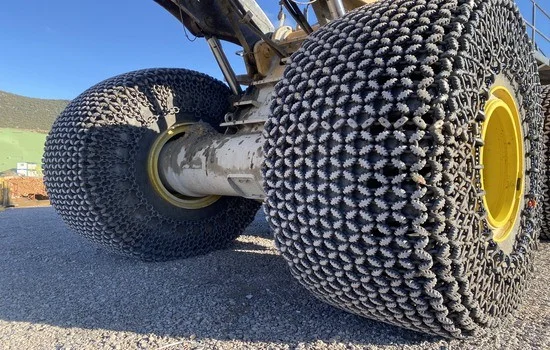
Heavy equipment is the backbone of major industries like construction, mining, and agriculture. These powerful machines operate in some of the most demanding environments imaginable, where uptime is critical and delays can cost thousands. While engines, hydraulics, and frames often get the most attention, the performance of this machinery relies heavily on one of its most critical components: its tires. Heavy equipment tires are not just simple rubber rings; they are sophisticated, expensive assets engineered to withstand immense loads and harsh terrain.
The financial and operational impact of a single tire failure can be significant. It leads to costly downtime, emergency repairs, and potential safety hazards for operators. For fleet managers and business owners, protecting these vital assets is a top priority. This is where specialized protection systems come into play, offering a robust defense against the daily wear and tear that can compromise tire integrity.
This post will explore the unique challenges faced by heavy equipment tires and explain why investing in a protection system is essential for modern operations. We’ll look at the specific threats these tires encounter and how innovative solutions, like the Halo Tire Inflator, can safeguard your investment, enhance safety, and improve your bottom line.
The High Stakes of Heavy Equipment Tires
Tires for heavy machinery are a significant capital expense. A single tire for a large earthmover or mining truck can cost tens of thousands of dollars. Multiplying that by the number of vehicles in a fleet reveals a substantial investment that needs to be managed carefully. Beyond the initial purchase price, the operational costs associated with tire maintenance, repair, and replacement are considerable.
These tires operate under extreme conditions. They navigate rocky quarries, uneven construction sites, and abrasive surfaces that constantly threaten their structural integrity. The primary threats include:
- Punctures and Cuts: Sharp rocks, scrap metal, and other debris can easily puncture or gash a tire, leading to rapid air loss and immediate operational halts.
- Sidewall Damage: The sidewalls are particularly vulnerable to impacts from rocks and other obstacles, which can cause deep cuts or abrasions that weaken the tire’s structure.
- Improper Inflation: Underinflation is a silent killer for heavy equipment tires. It causes excessive flexing, heat buildup, and uneven wear, drastically reducing tire lifespan and increasing the risk of a blowout. Overinflation makes the tire rigid and more susceptible to impact damage.
- Overloading: Exceeding the manufacturer’s load recommendations puts immense stress on tires, accelerating wear and increasing the likelihood of catastrophic failure.
A single tire failure can bring a multi-million dollar piece of equipment to a standstill. The resulting downtime affects project timelines, incurs labor costs for idle workers, and requires expensive on-site repairs. In remote locations, getting a replacement tire and the necessary equipment for a change can take hours or even days.
Halo: A Modern Solution for an Age-Old Problem
Given the high costs and operational risks, simply replacing tires as they fail is not a sustainable strategy. Proactive protection is necessary to maximize tire life and ensure fleet reliability. This is where systems designed to maintain optimal tire pressure, like the Halo Tire Inflator, become invaluable.
The Halo system is an automatic tire inflation system (ATIS) specifically engineered for heavy equipment. Unlike manual pressure checks, which are time-consuming and often inconsistent, Halo continuously monitors and adjusts tire pressure while the vehicle is in operation. This ensures that every tire remains at its optimal inflation level, regardless of changing temperatures or minor leaks.
By maintaining correct pressure, the Halo system directly addresses one of the most significant causes of premature tire wear and failure. Properly inflated tires run cooler, wear more evenly, and are more resilient to punctures and impacts. This simple yet effective intervention extends the usable life of heavy equipment tires, delivering a significant return on investment.
The Tangible Benefits of Proactive Tire Protection
Integrating a system like Halo into a heavy equipment fleet provides more than just peace of mind. It delivers measurable benefits that impact multiple aspects of the business.
Maximizing Tire Lifespan
Consistent, optimal inflation is the single most effective way to extend the life of a tire. The U.S. Department of Transportation estimates that for every 10% a tire is underinflated, its lifespan is reduced by 15%. For expensive heavy equipment tires, this can translate to thousands of dollars in savings per tire over its life. Halo ensures that pressure is always correct, maximizing the tread life and overall service duration of each tire.
Reducing Downtime and Maintenance Costs
Emergency tire repairs are disruptive and expensive. By preventing underinflation-related failures, the Halo system reduces the frequency of unexpected downtime. This allows maintenance to be scheduled and planned, rather than performed in a reactive, costly manner. Fleet managers can better allocate resources, and projects can proceed without costly interruptions.
Enhancing Fuel Efficiency
Tire pressure has a direct impact on fuel consumption. Underinflated tires increase rolling resistance, forcing the engine to work harder and burn more fuel. According to the Technology & Maintenance Council (TMC), for every 10 psi a tire is underinflated, fuel economy decreases by 0.5% to 1%. While this may seem small, it adds up to substantial savings across a large fleet over a year. The Halo Tire Inflator helps keep fuel costs in check by maintaining optimal rolling resistance.
Improving Operational Safety
A tire blowout on a massive piece of heavy equipment is a serious safety risk. It can cause the operator to lose control of the vehicle, potentially leading to accidents, injuries, and damage to the machine or surrounding infrastructure. By ensuring tires are properly inflated, Halo significantly reduces the risk of such dangerous events, creating a safer working environment for everyone on site.
Safeguard Your Most Critical Assets
Heavy equipment tires play a pivotal role in the demanding world of heavy industry, where every component impacts performance and safety. Far more than simple parts, they are critical assets that drive productivity, ensure stability, and safeguard profitability. Proper maintenance and selection of heavy equipment tires are essential for minimizing downtime and maximizing operational efficiency—risks that no modern business can afford to overlook.
Adopting proactive protection strategies is essential for any operation that relies on heavy machinery. Systems like the Halo Tire Inflator offer a straightforward and highly effective way to protect your tire investment. By automating the crucial task of maintaining proper inflation, you can extend tire life, cut down on fuel costs, reduce costly downtime, and create a safer work environment. It’s time to move beyond reactive maintenance and embrace a smarter, more proactive approach to managing your most critical assets on the ground.