


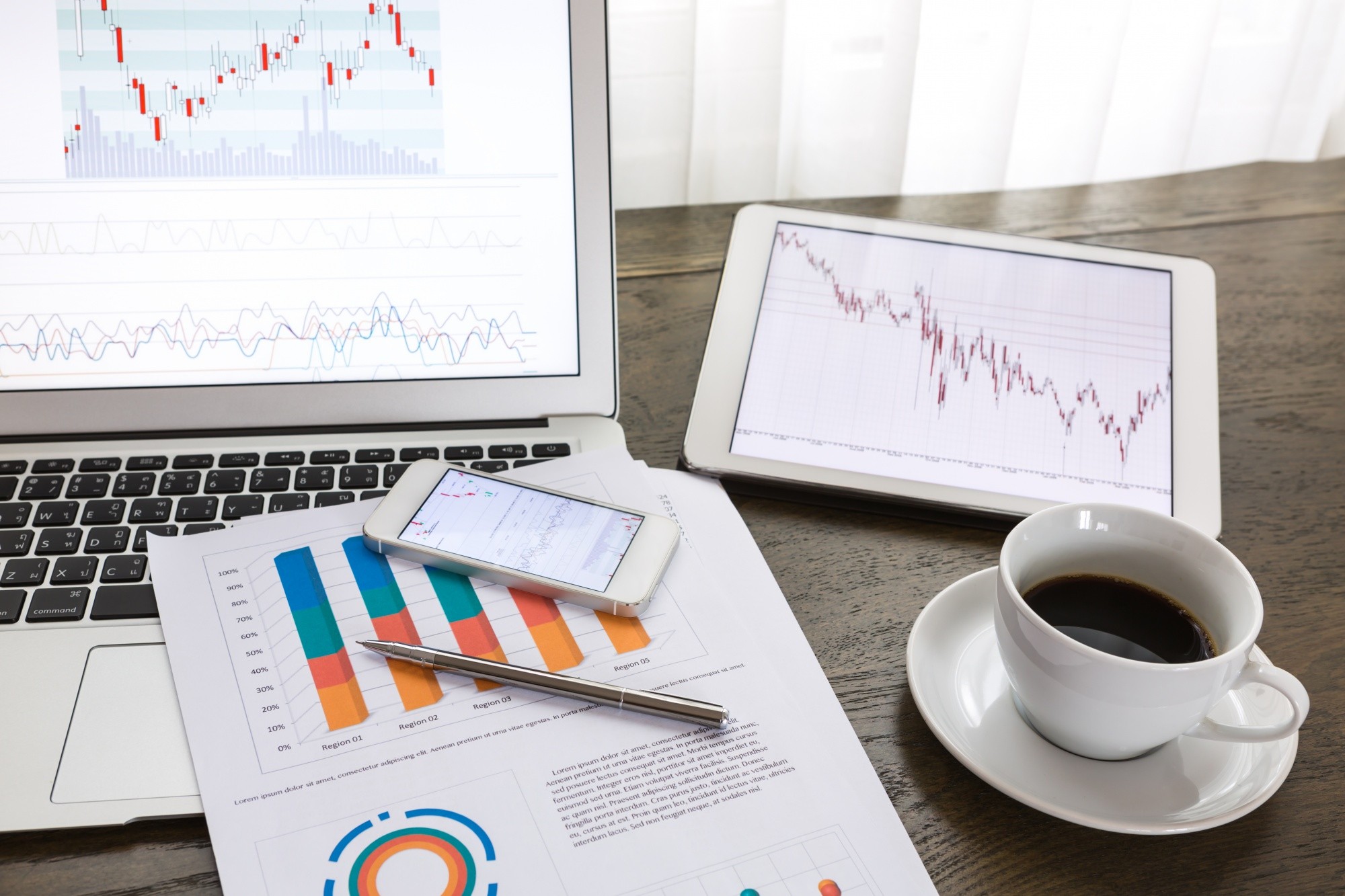
Managing multiple investments efficiently can be challenging. You want to allocate assets across various sectors without overexposing yourself. This is where a stock portfolio tracker comes in!
Whether you’re a seasoned stock investor or just starting out, using a stock portfolio tracker can do wonders for your financial future. Let’s break down what it is, how it works, and how you can choose the right one for your needs.
What is a Stock Portfolio Tracker?
A stock portfolio tracker is a tool (app or software) that centralises all your investments so you can track them in one place. It shows you real-time value, performance, dividends, and asset allocation all in one place.
The result? You can have a clear financial picture and make decisions without checking multiple brokerage accounts.
Features and Benefits
The key features of a stock portfolio tracker include:
Consolidated view
A portfolio tracker combines investments from different brokers, such as Fidelity or Robinhood, as well as crypto exchanges. The dashboard has multiple tabs and charts to give you clear insights.
Performance tracking
Want to know exactly how your investments are doing? A stock portfolio tracker will show you total portfolio value, individual stock gains/losses, and overall returns over time.
Financial insights
Reliable stock portfolio trackers do more than track your investments. They can provide deeper insights into companies and crypto projects, ensuring better stock holding decisions. You can view up to 20 years of financial data and unique insights into company and project operations.
Types of Portfolio Trackers
There are two main types of stock portfolio trackers, including:
Manual trackers
These are Excel-based portfolio trackers. Investors input data themselves and use formulas to calculate the total return on investment and profits per holding.
Automated trackers
Automated stock portfolio trackers represent a new era of investment management. These are apps or software directly linked to brokerage accounts or crypto wallets. Users get live updates, real-time data, and complete visibility.
How to Choose the Right Stock Portfolio Tracker
Not all stock portfolio trackers are the same, and choosing the wrong one can do more harm than good. Make sure to consider the following factors:
User interface
A reliable stock portfolio tracker has a clean, easy-to-navigate interface. This makes a huge difference when you’re reviewing your holdings and company information.
Integration with brokerage accounts
A portfolio tracker that cannot seamlessly integrate with brokerage accounts is not worth looking into. Make sure the tracker saves you time and unnecessary hassle, instead of the other way around.
Cost and pricing
There is no one-size-fits-all approach. An exceptionally expensive stock portfolio tracker doesn’t mean it is better. Explore different trackers and assess their features. Depending on your needs and financial goals, you can explore advanced features, such as tax reporting, performance attribution, and priority support.
Features
Lastly, consider the interface of different stock portfolio trackers and their features. They should offer performance charts, allocation breakdowns, and even risk metrics, so you make every decision with absolute clarity.