

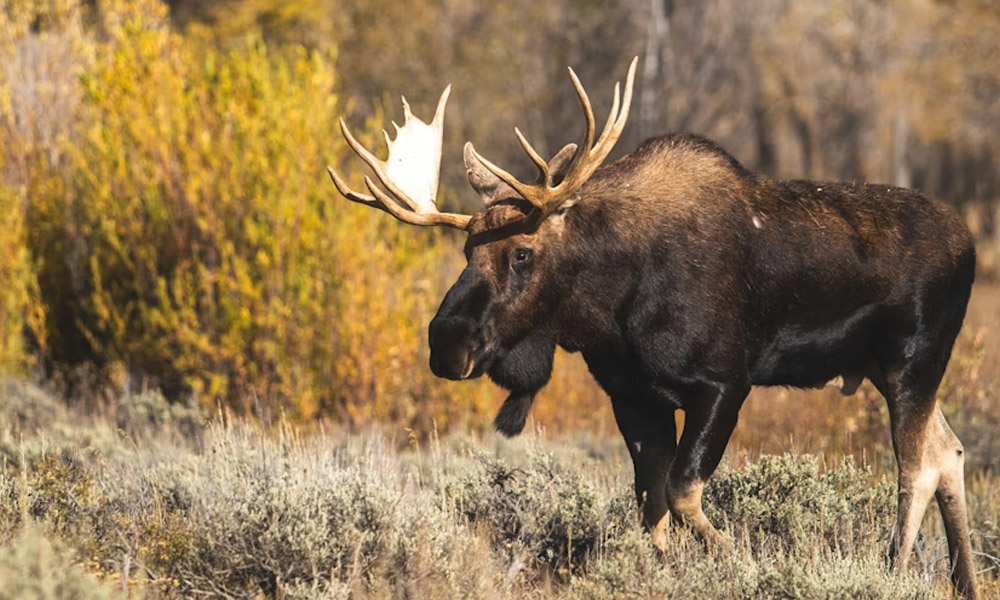
Imagine you’re driving through a quiet forest road in Norway. Suddenly, a moose steps onto the road. You hit the brakes, but it’s too late. What happens next?
Most people don’t know who takes care of the animal or what to do in this situation. In Norway, the answer is often Viltnemnda — a special local team that helps both people and animals.
In this article, we’ll explain who Viltnemnda is, what they do, and why they matter. Whether you’re a hunter, landowner, driver, or someone who loves nature, this guide will help you understand how wildlife is managed in Norway — and who steps in when things go wrong.
What Is Viltnemnda?
Viltnemnda is a Norwegian word that means “wildlife committee.” It’s a group that works in each municipality (local area) to take care of wildlife and make sure people and animals can live safely together.
This isn’t just a group of volunteers. Viltnemnda is part of the local government. It has real duties, and its work is backed by law. Every town or city in Norway can have its own Viltnemnda to handle things like hunting, animal safety, and nature protection.
So, when something happens — like a deer is hurt, or someone wants to hunt moose — Viltnemnda is the team that helps decide what to do.
Why Viltnemnda Is So Important in Norway
Norway has a lot of wild animals like moose, deer, beavers, and geese. These animals often live close to roads, farms, and towns. This can lead to problems — cars hitting animals, crops being eaten, or roads getting flooded.
That’s where Viltnemnda comes in. Their job is to:
-
Keep people safe (especially on the roads).
-
Protect wild animals from harm or suffering.
-
Support farmers and landowners when animals cause damage.
-
Make sure hunting is done properly and not too much.
They are the local link between national laws and what actually happens in each town. Without Viltnemnda, there would be more accidents, more angry farmers, and less balance between people and nature.
The Laws That Created Viltnemnda
Viltnemnda was created because of two important Norwegian laws:
-
The Wildlife Act (1981) — This law says wild animals belong to the state and must be managed carefully.
-
The Nature Diversity Act (2009) — This law says all decisions about nature must be based on science and safety.
These laws give Viltnemnda the legal power to make important decisions. That includes giving hunting permits, helping with wildlife accidents, and advising towns on how to protect nature.
These laws also say that Viltnemnda must act wisely — not just guess. They have to use real data, such as how many moose live in an area or how many accidents happened last year.
Who Works in Viltnemnda?
Each Viltnemnda is made up of 3 to 7 members. These people are chosen by the local council and usually include:
-
Hunters, who understand how animals behave.
-
Farmers, who know about land and damage from wildlife.
-
Nature experts or staff from the local government.
This mix is important. It means decisions are made by people who know the local area and care about different parts of the problem — safety, nature, and people’s property.
Sometimes, these members work part-time or volunteer. But their job is serious, and they often work with police, landowners, and national agencies to make smart choices.
What Viltnemnda Does Every Day
The work of Viltnemnda changes with the seasons. In fall, there are more calls about moose accidents. In spring, farmers may report damage from geese or beavers.
Here are some things they do regularly:
-
Go to the site of wildlife accidents.
-
Help hunters plan and report their harvests.
-
Check on complaints from landowners.
-
Give advice on building roads without harming animals.
-
Hold meetings to talk about wildlife plans.
Even though they are a small team, Viltnemnda does a lot. Their actions help prevent animal suffering, reduce dangers for drivers, and protect both farms and forests.
How Viltnemnda Handles Wildlife Accidents
One of Viltnemnda’s most important jobs is helping after wildlife collisions. Moose and deer often cross roads, especially during the early morning or evening.
If a car hits an animal:
-
The driver must call the police at 02800.
-
The police then call Viltnemnda or a trained wildlife team.
-
Trained people — often with tracking dogs — go to find the animal.
-
If the animal is hurt, they may put it down humanely to stop pain.
-
They also collect data about what happened.
This system helps in two big ways:
-
It stops animals from suffering alone in the forest.
-
It gives important info to help prevent more accidents later (like putting up signs or clearing trees near roads).
Viltnemnda’s Role in Hunting and Herd Plans
Hunting is a strong tradition in Norway, but it needs to be managed wisely. Too much hunting can hurt wildlife. Too little can lead to overpopulation, crop damage, and more road accidents.
Viltnemnda helps keep the balance. Here’s how:
-
Landowners and hunters make a plan for how many animals (like moose or deer) they want to hunt. This is called a bestandsplan.
-
Viltnemnda checks the plan using real data — like how many animals live there, what was hunted last year, and how much damage was reported.
-
Then they help decide on hunting quotas and rules (like how many tags each group gets).
Hunters must report back after hunting — including what they caught and sometimes jaw samples for age testing. This helps Viltnemnda improve the plan each year.
What Happens When Animals Cause Problems
Wild animals don’t understand fences or farm borders. They just go where they find food or water. Sometimes this causes trouble for people.
For example:
-
Moose can eat small trees in new forests.
-
Beavers build dams that flood roads.
-
Geese land on fields and ruin crops.
When this happens, landowners can report the problem to their local municipality. The case is then shared with Viltnemnda, who checks if the complaint is real and how serious it is.
First, they try non-lethal solutions like fences, sound devices, or special tools to lower water levels in beaver dams. But if that doesn’t work, Viltnemnda can allow limited removal of the animals. This is called skadefelling (damage control culling). It’s always time-limited and only allowed in specific places.
How Viltnemnda Helps with Planning and Nature Protection
Viltnemnda is not only there when problems happen — they also help prevent problems before they start. One way they do this is by advising on building plans.
Let’s say a town wants to build a new road or houses near a forest. This can break up animal paths or cause more accidents. Viltnemnda looks at the area and gives advice, like:
-
Add warning signs where animals cross.
-
Create wildlife corridors so animals can move safely.
-
Choose routes that avoid key animal habitats.
By doing this, they help towns grow in a smart way — without hurting animals or putting drivers in danger. This shows that Viltnemnda is not just a response team — they are part of smart planning too.
How Citizens Can Work With Viltnemnda
Many people don’t know this, but anyone can interact with Viltnemnda — not just hunters or farmers.
Here are some easy ways:
-
If you hit a wild animal with your car, call 02800 (police). They will alert Viltnemnda.
-
If animals damage your land, you can send a report through your municipality.
-
You can attend public meetings where hunting plans or nature topics are discussed.
-
Some people even volunteer with data collection or apply to join the committee.
Sharing knowledge with neighbors is helpful too. For example, tell others to report wildlife accidents and not just drive away. When people work together with Viltnemnda, the results are better for everyone.
Big Challenges Viltnemnda Faces Today
Even though Viltnemnda does great work, they face many tough problems.
One challenge is balancing everyone’s needs. Farmers want to protect crops. Hunters want more animals to hunt. Nature lovers want animals left alone. Viltnemnda has to find a fair balance — and that’s not always easy.
Another problem is money and staff. Many local areas have small budgets. Sometimes there aren’t enough people or gear to respond fast. This can slow down their work and make the job harder.
And don’t forget climate change. Animals are moving in new ways. Some species show up where they didn’t live before. Weather changes also affect food and shelter. Viltnemnda has to keep learning and adapting all the time.
What’s Next for Viltnemnda? The Future of Wildlife Work
The future of Viltnemnda could bring some exciting tools and ideas.
For example:
-
Drones may help spot injured animals faster.
-
GPS collars can track how animals move near towns.
-
Camera traps and citizen apps can collect helpful data.
There’s also a push for better teamwork between towns. Animals don’t follow borders, so nearby areas need to work together more often. New rules may also help make boards more diverse, include more voices, and keep everything clear and fair.
If these ideas grow, Viltnemnda will be even better at keeping people and animals safe in the years ahead.
How Viltnemnda Compares to Other Countries
Other countries manage wildlife differently. For example, in the United States, state agencies and counties split the work. Some places even use private landowners or tribal groups to manage hunting and animal safety.
Norway does it in a more local and connected way. Viltnemnda acts like a mix of:
-
Wildlife emergency response team.
-
Local hunting board.
-
Nature protection advisor.
-
Community helper.
This mix gives Norway a system that’s both strong and personal — grounded in law but shaped by local knowledge.
Conclusion
Many people have never heard of Viltnemnda, but they do very important work. They step in when animals are hurt, help plan safe hunting, protect farms, and support smart town planning.
They are small teams with big responsibilities, and they don’t get much public attention. But if you drive in moose country, grow crops near forests, or enjoy nature walks — Viltnemnda helps keep your world a little safer and more balanced.
By learning about them, supporting their work, or even reporting animal problems when you see them — you become part of the solution too.
You may also read: Stormuring: A Simple Trick to Handle Life’s Messy Moments