


Ever felt confused by all the safety gear rules at work? OSHA requires every job site to follow strict personal protective equipment (PPE) standards, and these aren’t just suggestions.
This guide breaks down those workplace safety basics into clear steps, so you know what’s expected and why it matters for worker safety. Stick around—your hard hat might thank you later.
Key Safety Equipment Standards
Safety gear keeps workers safe, day in and day out. These rules help keep boots on the ground, eyes protected from flying bits, and hands out of harm’s way—now that’s peace of mind when you’re around heavy machinery or chemical hazards.
Head Protection: Hard hats for falling objects and electrical hazards
Hard hats save lives every day on construction sites, factories, and even while working near heavy equipment. The Occupational Safety and Health Administration (OSHA) tells employers to give workers hard hats at no cost if there is a risk from falling objects or electrical hazards.
These hard hats must meet safety standards that protect against shocks, bumps, and debris. By January 13, 2025, every worker’s helmet must fit correctly for proper protection under OSHA requirements.
Head injuries can happen in a split second; imagine something dropping from above or an electric line brushing your head. Employers need to provide training about using, caring for, and inspecting this personal protective equipment (PPE).
With strict inspection logs and upkeep of gear like this—along with clear hazard communication—construction safety moves from wishful thinking to real life-saving action. Now let’s talk about protecting eyes and faces from dust and splashes on site.
Eye and Face Protection: Safety glasses and face shields for particles and splashes
Safety glasses and face shields protect your eyes from flying particles and chemical splashes. They are important types of personal protective equipment (PPE). OSHA requires hazard assessments to figure out what eye protection you need based on the work environment.
Employers must provide this PPE at no cost to employees.
Training also plays a big role. Workers must know how to use and care for safety glasses and face shields properly. Starting January 13, 2025, all PPE, including eye protection, must fit workers according to OSHA rules.
This ensures everyone stays safe while working on the job site. Safety isn’t just a slogan; it’s our way of life.
Fall Protection: Harnesses, lanyards, and anchor point requirements
Eye and face protection is vital, but fall protection is just as crucial. Workers at heights need harnesses, lanyards, and anchor points to stay safe. Fall protection gear is not optional; it’s required by law.
Employers must conduct hazard assessments to find the right personal protective equipment (PPE) for their workers. All PPE must be given at no cost, including fall prevention items.
As of January 13, 2025, OSHA will demand that all gear fits properly. Anchor points used with this equipment also have strict rules to prevent falls and serious injuries on job sites.
Respiratory Protection: Masks for harmful dust, fumes, and vapors
Fall protection keeps workers safe from heights. Now, let’s talk about respiratory protection. Masks guard against harmful dust, fumes, and vapors in the air. In many workplaces, these dangers lurk unnoticed.
Employers must conduct hazard assessments to see if masks are needed. They should provide respirators or other masks at no cost to employees. OSHA requires training for all workers on how to use and maintain this equipment safely.
By January 13, 2025, all personal protective equipment (PPE), including masks, must fit properly for every employee. This is crucial for preventing workplace injuries caused by harmful chemical exposure or toxic materials.
High-Visibility Clothing: Ensuring visibility near heavy machinery
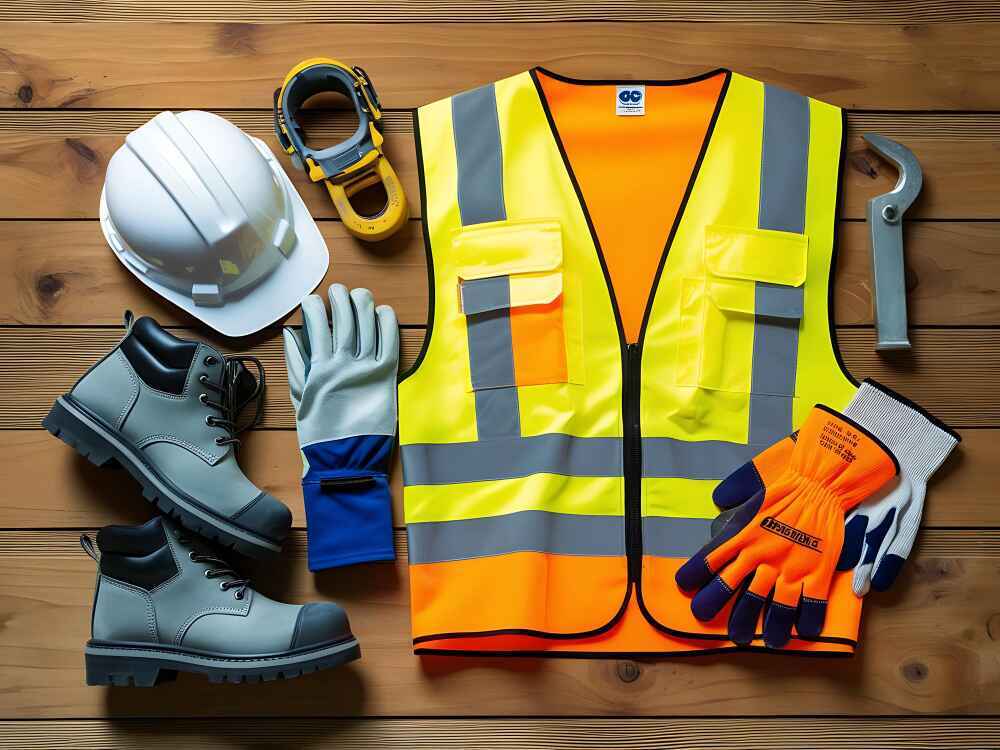
High-visibility clothing is a must on job sites, especially near heavy machinery. Workers need to be seen by operators to stay safe. Bright colors like neon yellow or orange grab attention instantly.
Reflective strips enhance visibility further in low light conditions.
OSHA requires employers to provide personal protective equipment (PPE) at no extra cost. High-visibility gear helps prevent accidents and injuries, protecting workers from serious hazards associated with moving equipment.
Keeping everyone visible fosters a safer work environment, supporting workplace safety standards effectively.This is especially critical for freight courier services, where drivers and dock workers operate around loading bays, forklifts, and moving trucks throughout the day. High-visibility clothing helps ensure delivery personnel are clearly seen in busy warehouse yards and distribution centers, reducing the risk of accidents during pickups and drop-offs. Next up is foot and hand protection for even more safety measures on the job site.
Foot and Hand Protection: Steel-toed boots and gloves for injury prevention
Steel-toed boots are a must-have on job sites. They prevent crushing injuries from heavy objects. Workers can feel secure when they wear these tough shoes. On the other hand, gloves protect hands from cuts and chemicals.
They help avoid burns and scrapes too.
Employers are responsible for providing this personal protective equipment (PPE) at no cost to employees, as required by OSHA guidelines. It’s also vital that these items fit properly; ill-fitting gear can lead to accidents instead of preventing them.
Safety training should include how to use and care for this equipment, ensuring everyone stays safe while working hard.
Employer Responsibilities
Employers play a big role in keeping workers safe. They must spot dangers, give out personal protective equipment (PPE) at no cost, and teach employees how to use it properly.
Conducting Hazard Assessments
Hazard assessments are vital for workplace safety. They help identify risks and determine the personal protective equipment (PPE) needed.
- Assess current workplace hazards. Look for falling objects, chemical spills, and electrical dangers.
- Involve your workers in the process. They have firsthand knowledge about possible risks on site.
- Use checklists to ensure you cover all potential dangers. This includes tasks like lifting, working with machinery, or handling hazardous materials.
- Document findings clearly. Keeping records helps track what hazards exist and what PPE is necessary.
- Update assessments regularly. Worksites change often; so should your safety plans.
- Follow OSHA requirements for hazard communication standards. This ensures everyone knows the risks and how to stay safe.
- Review safety data sheets (SDS) for chemicals used at work. They provide essential information on safe handling practices.
- Train workers on the importance of wearing proper PPE based on assessment results. Proper training keeps everyone informed and prepared.
Conducting thorough hazard assessments protects employees and reduces the risk of injuries.
Providing PPE at No Cost
It’s essential to choose the right type 2 hard hat to ensure maximum protection against specific hazards on the job site.
Employers must provide personal protective equipment (PPE) at no cost to their workers. This includes hard hats, safety glasses, fall protection gear, and more. OSHA requires this for all employees.
Workers should not pay for equipment that keeps them safe from hazards like falling objects or chemical splashes.
Training on how to use and care for PPE is also free. Starting January 13, 2025, all PPE needs to fit workers properly to be effective. It’s crucial for safety and compliance with OSHA standards.
Not following these rules can lead to legal issues for companies.
Ensuring Proper Fit and Compatibility of PPE
Employers must ensure that all workers are equipped with appropriate personal protective equipment, including protective helmets, to mitigate risks associated with head injuries.
PPE must fit right. If it doesn’t, it won’t protect you well. Loose hard hats can fall off, and safety glasses that slide down can let dust in your eyes. Each worker needs gear made for their size and body type.
Starting January 13, 2025, all PPE in construction must fit properly for employees. This means employers need to measure workers and provide options that work best for them. Fit testing is crucial; it helps ensure masks create a good seal against harmful dust or chemicals.
Without proper fitting gloves or footwear like steel-toed boots, injuries can happen more easily on the job site. The goal is comfort combined with safety for every task ahead!
Training Workers on Use and Maintenance
Proper training is essential for safety on job sites. Workers must know how to use and care for their personal protective equipment (PPE).
- Training helps workers understand how to wear safety gear correctly. This includes hard hats, safety glasses, gloves, and harnesses.
- Adjustments must be taught for each type of PPE. A proper fit is crucial for optimal protection.
- Employers should provide hands-on training sessions. This allows workers to practice using equipment in safe settings.
- Maintenance of safety gear needs emphasis during training. Keeping gear clean and in good condition is vital for compliance and worker safety.
- Workers learn about the signs of damaged equipment. They need to know when it’s time to repair or replace items like helmets or respirators.
- Regular refresher courses should be part of the plan. Ongoing training keeps knowledge fresh and reinforces safe practices.
- Training should include information on specific hazards at the worksite. Understanding risks from electrical hazards or hazardous chemicals enhances awareness.
- Encourage an open culture where workers can ask questions about PPE use and maintenance.
Effective training supports a strong safety culture at construction sites. It empowers workers to protect themselves properly while decreasing workplace hazards.
Conclusion
Safety equipment standards play a big role on job sites. They protect workers from hazards like falls, chemicals, and noise. Employers must provide the right safety gear at no cost.
Training is key for using and caring for this gear properly. When everyone follows these rules, we can keep our workspaces safer and avoid injuries.