


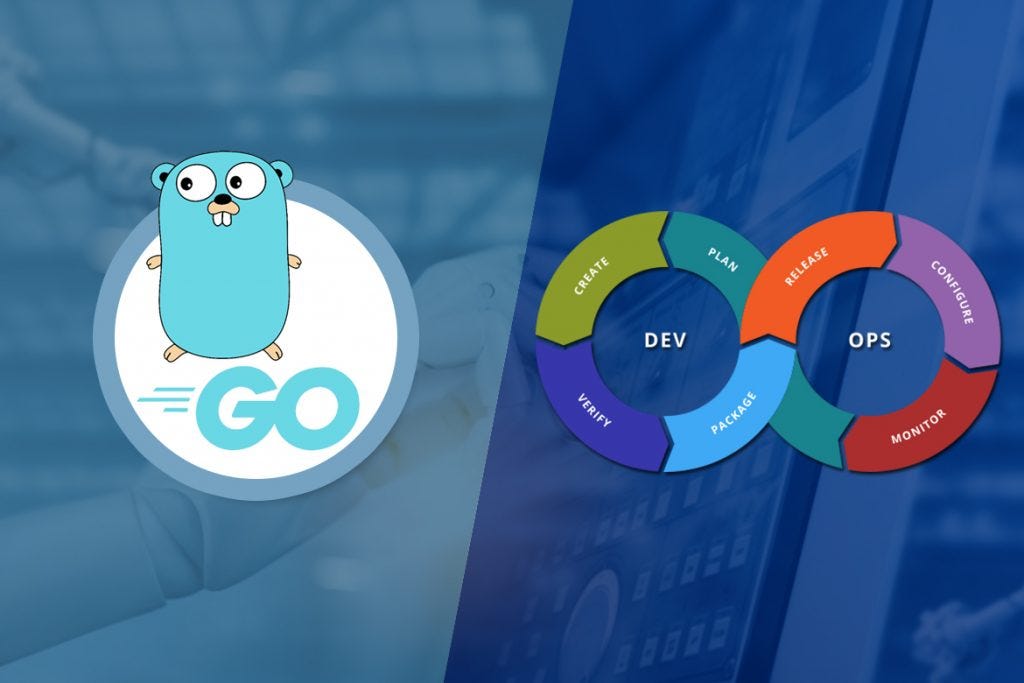
Golang (Go) has achieved substantial adoption in cloud-native ecosystems. Its strong performance, clean syntax, and built-in concurrency features make it ideal for modern cloud engineering and DevOps operations. Organizations focused on scalability, automation, and high-availability infrastructure increasingly choose Go as their preferred language. With the rise of distributed architectures, the demand for skilled Golang professionals continues to grow exponentially.
Understanding Golang in Modern Cloud Architecture
Go was explicitly designed to handle the complexities found in modern cloud environments. Its unique concurrency model, powered by lightweight goroutines and communication channels, plays a major role in building robust distributed systems.
Developers can write highly concurrent applications without excessive complexity, making Go perfectly suited for:
- Microservices
- Automation tools
- Network-based applications
Performance, reliability, and ease of deployment have firmly positioned Go as a strong choice for cloud-native development.
Why Companies Hire Golang Developers
To build scalable infrastructure and automation tools, many organizations actively seek to hire Golang developer talent that understands cloud-native workflows.
- Efficiency: Go enables clean codebases, quick build times, and efficient execution, which significantly reduces friction in fast-paced DevOps teams.
- Optimization: By hiring professionals skilled in Go, companies gain the ability to optimize system performance, automate deployments, and enhance workflows across complex cloud environments.
- Simplicity: The language’s simplicity and readability help reduce onboarding time, allowing new developers to become productive faster.
The Core of Cloud-Native Development
The most telling sign of Go’s importance is that several well-known DevOps and cloud platforms are written entirely or predominantly in Go. These tools form the foundation of cloud-native infrastructure worldwide:
- Docker
- Kubernetes
- Terraform
- Prometheus
Go’s modular structure and fast compilation support microservices architectures, making deployment cycles more manageable. It also plays a vital role in serverless functions and container-based deployments. As organizations scale their operations, Go developers become essential contributors to platform reliability.
Core Responsibilities of Golang Developers in Cloud & DevOps
A skilled Golang developer for hire often performs tasks directly tied to infrastructure and platform stability:
- Microservices: Building and deploying robust cloud-native microservices.
- Containerization: Developing, optimizing, and improving containerized applications.
- Automation: Creating CLI tools, Kubernetes operators, and custom automation workflows.
- Cloud Integration: Integrating Go-based services with major cloud providers (AWS, GCP, Azure).
- Backend Design: Designing scalable APIs and high-performing backend systems.
These professionals help ensure systems are secure, high-performing, and aligned with cloud provider standards and best practices.
Golang in DevOps Automation
Automation is central to DevOps culture, and Go fits this need perfectly.
- CI/CD: Developers use Go to build custom CI/CD pipeline tools, scripts, and bots that simplify deployment processes.
- Infrastructure-as-Code (IaC): Go-based tools enable repeatable and reliable infrastructure provisioning.
- Observability: Go supports observability enhancements by building custom monitoring agents, metrics collectors, and log processors.
Teams can design tailored automation solutions rather than relying solely on off-the-shelf third-party tools.
Golang Developers in the Kubernetes Ecosystem
Kubernetes itself is written in Go, and most of its core components rely on Go-based logic. This creates a high-demand niche for Go developers:
- Extending Kubernetes: Developers who understand Kubernetes internals can build operators, controllers, and custom resources to extend cluster functionality.
- Platform Building: They develop Kubernetes-based platforms for multi-cluster management, auto-scaling, and advanced deployment automation.
The cloud-native community, including key CNCF projects, actively welcomes contributions from Go developers, offering significant opportunities for growth and collaboration.
Performance Optimization and Scalability
Scaling distributed systems requires careful attention to memory usage, concurrency, and load distribution.
Go provides excellent benchmarking and profiling tools that help developers identify and eliminate performance bottlenecks. Developers design efficient concurrent architectures using:
- Worker patterns
- Task queues
- Event-driven models
With proper resource management, Go applications support high-throughput workloads with minimal latency, which is crucial for global cloud infrastructure and real-time data applications.
Security Responsibilities for Golang Cloud Developers
Security cannot be an afterthought, especially in cloud deployments. Golang developers are tasked with implementing robust security measures:
- Secure Coding: Implementing secure coding practices and enforcing strict API validations.
- Authentication: Applying strong authentication and authorization mechanisms.
- Cloud Security: Managing secrets, identity management, and cloud access policies as part of their development work.
Go-based tools often assist in vulnerability detection and automate threat scanning, helping teams proactively manage risks.
Collaboration Within Cloud & DevOps Teams
In cloud projects, collaboration is paramount. Go developers work closely with:
- Site Reliability Engineers (SREs)
- Cloud Architects
- Platform Engineers
- DevOps Specialists
Cross-functional communication ensures that every infrastructure component aligns with business needs. Adherence to best practices in version control, documentation, and code reviews allows teams to maintain stability in high-scale environments, enhancing delivery speed and reducing errors.
Career Path and Required Skill Set
Professionals entering the Golang Cloud/DevOps field need a strong technical foundation:
| Essential Technical Skills | Essential Soft Skills |
| Go language mastery | Problem-solving |
| Docker & Kubernetes | Adaptability & Learning |
| Cloud Providers (AWS, GCP, Azure) | Collaboration & Communication |
| CI/CD tools (e.g., Jenkins, GitLab CI) | Debugging & Troubleshooting |
| Infrastructure-as-Code (e.g., Terraform) | Code Review & Documentation |
Career trajectories often lead to high-value roles such as: Cloud Engineer, DevOps Engineer, Site Reliability Engineer (SRE), Platform Engineer, or Automation Specialist.
Golang Developer for Hire: What to Look For
When assessing candidates, organizations should prioritize practical experience. Highly valuable skills include:
- The ability to design production-ready microservices.
- Proven capacity to optimize performance under load.
- Familiarity with observability tools (Prometheus, Grafana).
- Deep understanding of Kubernetes internals.
Hands-on experience with real-world cloud deployments matters more than theoretical knowledge, as companies seek developers who can deliver both stability and velocity.
Future Trends and Opportunities
Go continues to expand beyond conventional cloud use cases:
- Edge Computing & IoT: Due to its lightweight binaries, Go is emerging in edge computing and IoT solutions.
- AI Infrastructure: Go contributes to distributed training platforms and model deployment tooling.
- Platform Engineering: Observability, monitoring, and platform engineering are crucial areas where Go is gaining traction.
These trends highlight the long-term importance of Go in building the next generation of large-scale, high-performance systems.
Conclusion
Golang has cemented its status as a powerful asset in cloud and DevOps environments. Its unique concurrency model, performance characteristics, and native reliability make it ideal for distributed architectures. Skilled Golang developers play a pivotal role in automation, scalability, security, and infrastructure management. Companies looking to rapidly scale their operations are prioritizing the need to hire Golang developer specialists who deeply understand cloud-native principles. As the cloud ecosystem evolves, Go’s presence will only grow stronger, solidifying its place in shaping the future of computing.