

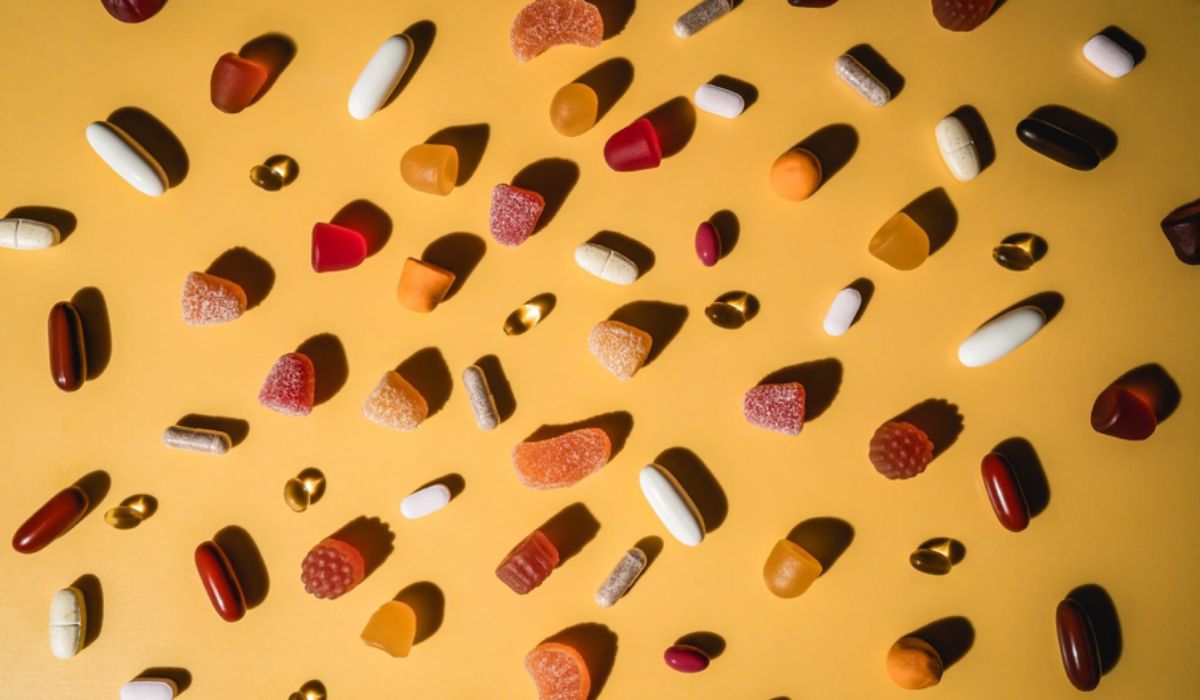
It’s March 2026, and more people than ever are picking supplements to support daily health. You see three main formats everywhere: softgel capsules, gummies, and tablets. Each one has its strengths, but the big questions are about absorption—how fast your body takes in the nutrients—and bioavailability—how much actually gets used. Studies and industry reports show clear differences based on the type of nutrient, like fat-soluble ones (vitamin D, omega-3) or water-soluble ones (vitamin C, B vitamins). This article breaks it down simply. We compare how each format works, look at real data on absorption and bioavailability, cover pros and cons, and help you decide which might be best right now in 2026.
How Absorption and Bioavailability Work in Supplements
Absorption means how quickly nutrients leave the supplement and enter your digestive system. Bioavailability is the amount that reaches your bloodstream and gets used by your body. Many things affect this—your age, what you eat, gut health, and the supplement’s form.
Fat-soluble nutrients (like vitamins A, D, E, K, or oils like fish oil) need fats to absorb well. Water-soluble ones dissolve in water and absorb faster but can be lost if not protected. In 2026, brands focus on better formulas to improve these numbers. Softgels often shine for oils, while gummies appeal for ease, and tablets stay reliable for many basics.
Softgel Capsules: Strong for Fat-Soluble Nutrients
Softgels are one-piece gelatin or plant-based shells filled with liquid or oil. They dissolve in 20-30 minutes in the stomach, releasing contents fast.
For fat-soluble ingredients, softgels usually offer higher bioavailability. The liquid form mixes easily with digestive juices and fats in your meal. Studies on vitamin D and omega-3 show softgels deliver more to the blood than tablets in many cases. One older trial compared softgels to tablets and found better nutrient levels from softgels for certain compounds.
Pros include tamper-proof design, no bad taste, and protection for sensitive oils from light or air. They suit CoQ10, fish oil, or vitamin E well. In 2026, vegan softgels using plant materials like HPMC grow popular.
Cons: They cost more to make, hold less for high-dose dry ingredients, and some people avoid gelatin.
Overall, softgels lead in bioavailability for oil-based or fat-soluble supplements.
Gummies: Easy and Fun, But Mixed Results
Gummies are chewy, flavored like candy. You chew them, so they start breaking down in your mouth and stomach quickly.
Some studies show gummies can match or beat tablets for certain vitamins. A vitamin D study found gummies gave higher blood levels over time than tablets, helping reach sufficiency faster. But other reports say gummies sometimes have lower bioavailability because heat during making can degrade nutrients, or the gel matrix slows full release.
In 2026, gummies remain popular for kids and adults who hate pills. They work okay for water-soluble vitamins if doses are right. However, many experts note gummies often carry added sugar, and stability issues (like moisture affecting potency) can lower long-term effectiveness compared to drier forms.
Pros: Great taste, easy to take, high compliance since people enjoy them.
Cons: Possible lower nutrient stability, harder to pack high doses without big pieces, and sugar concerns for some diets.
Gummies suit daily basics like multivitamins or immune support if you prioritize sticking to the routine.
Tablets: Reliable and Cost-Effective
Tablets are compressed powder or granules, often coated for easier swallowing or controlled release.
They dissolve slower than softgels or gummies—sometimes 30-60 minutes or more. This can mean steady release but lower peak absorption for some nutrients. Tablets do well for water-soluble vitamins and minerals when formulated right. Coated or effervescent versions speed things up.
Bioavailability varies. Plain tablets may lag behind softgels for fats, but advanced ones (like fast-melt or enteric-coated) improve it. In recent trends, tablets hold steady for precise dosing and long shelf life.
Pros: Cheaper to produce, hold high doses, stable, and easy to customize (scored for splitting).
Cons: Harder to swallow for some, possible uneven breakdown, and slower start for absorption.
Tablets fit best for high-volume, cost-focused supplements like basic multis or minerals.
Direct Comparison: Absorption and Bioavailability in 2026
For fat-soluble nutrients (vitamin D, omega-3, CoQ10): Softgels usually win with higher and faster bioavailability due to liquid delivery.
For water-soluble nutrients (vitamin C, B vitamins): All three can work similarly if doses match, but liquids or fast-dissolve forms edge out. Gummies and tablets show close results in many tests, though gummies sometimes edge tablets in specific vitamin D cases.
General trends from 2025-2026 reports: Softgels excel for oils, gummies for compliance and fun, tablets for reliability and value. No single format is “best” for everything—it depends on the ingredient. Many experts say softgels offer the edge for maximum use of tricky nutrients.
In 2026, with more vegan options and better testing, differences narrow, but softgels still lead for bioavailability in key areas. For quality softgel options, check out this softgel manufacturing service.
Which One Should You Choose in 2026?
It comes down to your needs.
- Pick softgels if you take oil-based or fat-soluble supplements and want top absorption. They’re great for heart, joint, or energy support.
- Go for gummies if taste and ease matter most, especially for families or if you skip doses otherwise. They’re solid for general wellness.
- Choose tablets for budget, high doses, or when you need stable, precise amounts without extras.
Many people mix formats—softgels for targeted needs, gummies for daily fun.
If you’re a brand or looking to develop products, working with experts helps get the format right. You can learn more about full services at https://vitaplusinter.com/. Or explore custom runs with a private label supplement manufacturer.
In short, 2026 gives great choices. Softgels often top bioavailability for many key nutrients, gummies win on enjoyment, and tablets stay practical. Pick based on what you take and how you live—your body will thank you.