


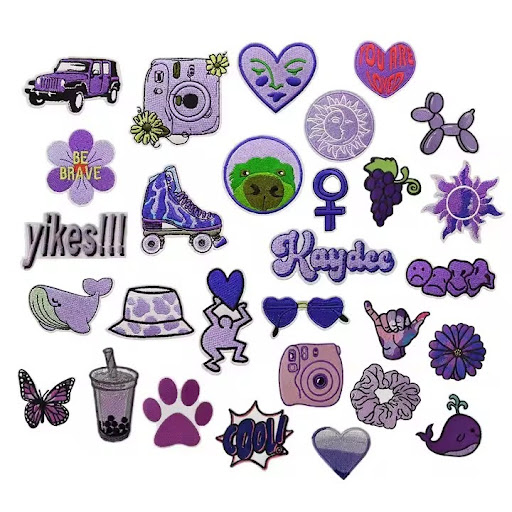
Once connected with punk rockers, biker gangs, and scout uniforms, iron-on patches have undergone a total metamorphosis and are today among the most potent weapons in the streetwear scene. These little design choices are now making great statements, changing what it means to wear your personality, ideas, and style on your sleeve—literally.
Streetwear has always been about self-expression and individuality. It’s about standing out, blending trends, and using clothing to weave individual stories. With their adaptability and customizable capabilities, wholesale iron-on patches are now crucial to this goal. Patches are surfacing in dramatic, unexpected places—from sweatshirts and bomber jackets to jeans and tote bags.
Tailoring is the new trendy thing
Consumers—particularly Gen Z—are drawn to goods that seem one-of-a-kind in a market full of fast fashion and copy-and-paste designs. Iron-on patches provide that originality without the expense of a complete custom wardrobe. Anyone may turn a basic hoodie into a streetwear statement piece with a $2 patch and a few minutes of heat.
Designers and DIY fashion aficionados are revitalizing old clothes, thrift flips, and even their own branded items with patches. One of the reasons iron-on patches are so appealing and accessible is their capacity to be customized without complex tools, printing, or stitches.
Streetwear is about culture signaling as well as looking cool. And patches are developing a fresh visual vocabulary. They help people to portray ideologies, communities, subcultures, musical preferences, or political views. A patch with a clenched fist or a climate change statement turns into a wearable proclamation instead of just something decorative.
The patch trend is embraced even by prominent streetwear brands. Limited-edition patches stitched onto exclusive capsule collections now appear as collectibles or design components in collaborations. The patch has become a streetwear emblem of honor.
Urban Fashion Meets DIY Movement
The DIY attitude that is once again gaining among younger artists fits perfectly with iron-on patches. Streetwear enthusiasts want to co-create garments rather than only purchase them. They are modifying clothing, repurposing thrift shop finds, and creating original designs on a shoestring budget using patches.
Fashion and creative influencers exhibiting patched up goods on Instagram and TikTok are driving this trend. Whether it’s a denim jacket adorned with retro logos or cargo pants with anime characters down the leg, these homemade creations are redefining what it means to be fashionable—and the audience is loving it.
Once a small design approach, today it is a common aesthetic. Malls, runways, and street style galleries all over the world are seeing iron-on patches. Luxury labels are even toying with patch-inspired decorations, combining high fashion with subcultural chic.
Small firms are also seizing this trend by offering custom designs, curated patch packs, and ready-to-use streetwear packages. It’s more than just a trend; it’s a movement enabling people to wear their tale, create their look, and defy mass-produced clothing.
Conclusion
Iron-on patches are demonstrating in a world yearning for genuineness that little elements can have an enormous effect. They let you assert your identity, rep your culture, and make every outfit into a statement. And as streetwear develops, it is evident that patches are the new hallmarks of individual style rather than just accoutrements.