


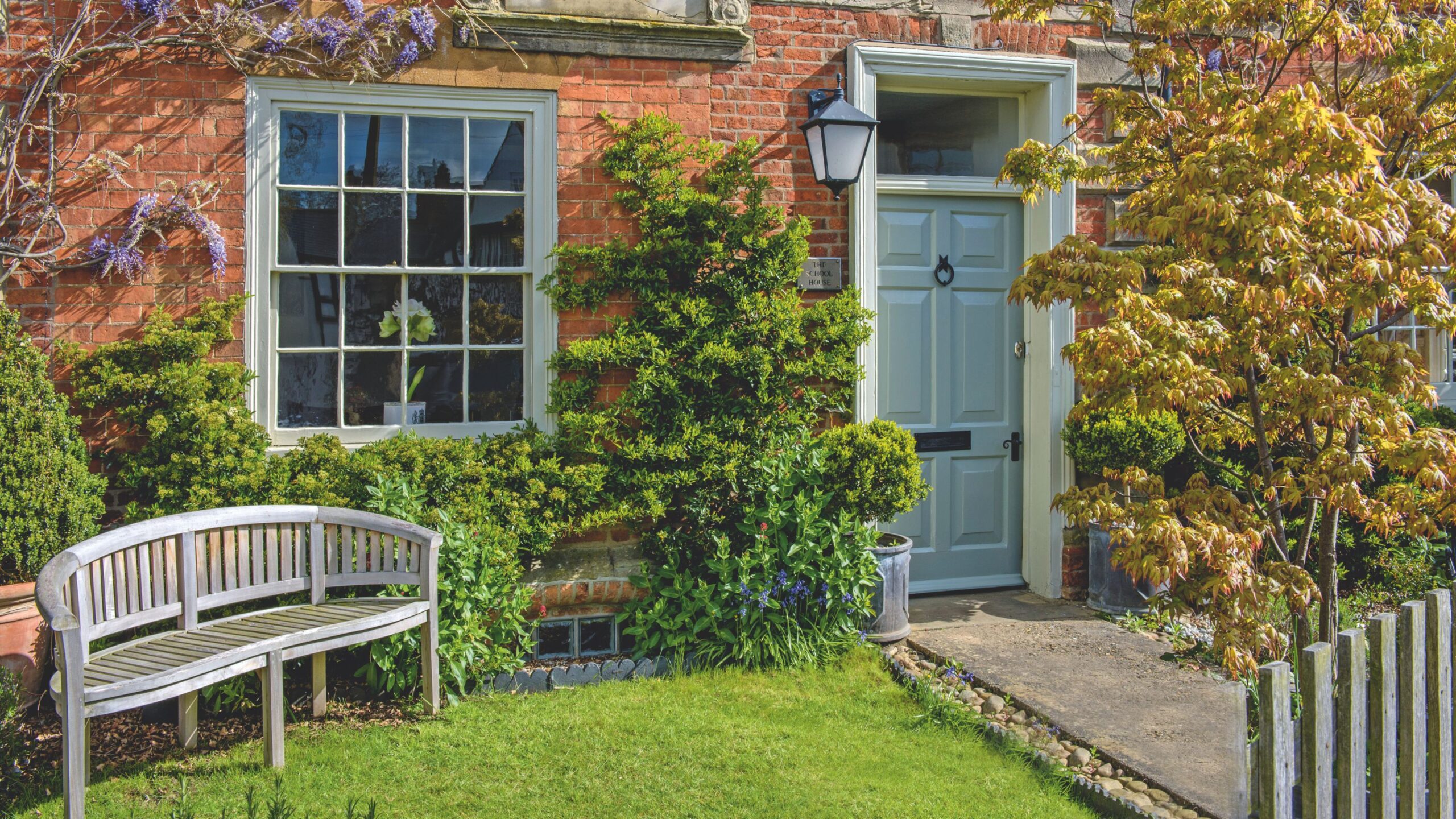
As the seasons change, so does the way we use our homes and outdoor spaces. A garden that felt right in winter can start to feel tired or underused as spring arrives, while summer spaces often benefit from a gentle reset once the year moves on. Refreshing your garden seasonally does not need to mean a full redesign. Small, thoughtful updates can make a big difference and help your outdoor space feel aligned with the time of year.
For UK homes, where weather and light can shift quickly, seasonal garden refreshes are about flexibility, comfort, and choosing elements that evolve naturally.
Start with a clear-out, whatever the season
Before adding anything new, it is always worth taking a moment to clear and reset what you already have. Seasonal changes often leave behind fallen leaves, tired plants, or furniture that has been pushed aside.
A simple clear-out might include:
- Removing dead plants or spent blooms
- Sweeping patios, decking, and paths
- Tidying pots and containers
- Cleaning outdoor furniture
This small reset instantly makes the space feel lighter and more intentional, creating a blank canvas for seasonal updates.
Spring: refreshing with colour and energy
Spring is the season most associated with renewal, and gardens naturally reflect this. It is a time for colour, optimism, and gentle energy rather than instant fullness.
Refreshing your garden in spring can be as simple as introducing new planting that will grow and change over the coming months. Sowing flower seeds allows you to add colour gradually, rather than all at once, which suits the slower pace of the season.
Spring refresh ideas include:
- Adding fresh containers near entrances or seating areas
- Choosing lighter, brighter tones to lift the space
- Refreshing borders with early flowering plants
- Creating space for new growth rather than filling every gap
Spring gardens benefit from patience. Leaving room for plants to develop creates a sense of anticipation that lasts well into summer.
Summer: comfort, texture, and usability
By summer, gardens often feel fuller and more established. A seasonal refresh at this time is less about planting and more about comfort and usability.
Summer gardens are lived-in spaces. They are used for relaxing, eating, and spending time with friends or family. Refreshing the garden for summer means enhancing how it feels to be in the space.
Consider:
- Adding cushions or throws to outdoor seating
- Introducing shade with parasols or lightweight canopies
- Grouping pots to create more impact and structure
- Deadheading flowers to encourage continued blooming
Texture becomes especially important in summer. Layering foliage, flowers, and soft furnishings helps the garden feel welcoming without becoming cluttered.
Autumn: warmth and transition
Autumn is often overlooked when it comes to garden refreshes, but it offers one of the most atmospheric seasons of all.
As colours deepen and temperatures cool, the focus shifts towards warmth and transition rather than growth. This is a good time to tidy gently while still allowing the garden to feel natural and seasonal.
Autumn refresh ideas include:
- Swapping bright accessories for warmer tones
- Leaving seed heads and grasses for texture
- Adding solar lighting for darker evenings
- Preparing containers for winter planting
Rather than clearing everything away, autumn encourages a softer approach, allowing the garden to reflect the change in pace.
Winter: simplicity and structure
Winter gardens often benefit from restraint. When growth slows, structure becomes the key design element.
A winter refresh does not require much planting. Instead, it focuses on shape, layout, and the way the garden is viewed from indoors.
Simple winter updates might include:
- Repositioning pots to create balance
- Highlighting evergreen plants
- Adding subtle lighting to paths or features
- Keeping furniture minimal and practical
Winter is also a good time to plan. Observing how light moves through the garden during shorter days can help guide future changes.
Refreshing small gardens and balconies
Not all UK homes have large gardens, but seasonal refreshes work just as well in smaller spaces.
For compact gardens, patios, or balconies:
- Rotate pots rather than adding more
- Change planting seasonally instead of permanently
- Use height and layering to create interest
- Keep colour palettes simple
Seasonal updates in small spaces often feel more impactful because even minor changes are immediately noticeable.
Let planting do the work for you
One of the easiest ways to refresh a garden seasonally is to let planting take the lead. Plants naturally change throughout the year, bringing movement, colour, and texture without constant intervention.
Growing flowers from seed supports this approach by encouraging gradual change rather than instant results. As plants develop, the garden refreshes itself, responding to weather and light in ways that feel natural rather than forced.
This slower transformation often feels more satisfying than a one-off update.
A refresh that feels manageable
Seasonal garden refreshes work best when they feel achievable. They are not about perfection or comparison, but about responding to the season you are in.
A few thoughtful changes each season help gardens stay relevant and inviting without becoming another ongoing project. By working with the natural rhythm of the year, outdoor spaces can evolve gently, offering something different at every stage.
Whether it is a burst of spring colour, a comfortable summer seating area, or a calm winter view, seasonal refreshes allow UK gardens to remain connected to how we live, all year round.