

I still remember walking into my neighbour’s extension last summer and stopping dead in my tracks. The whole room was bathed in this gorgeous natural light from a roof lantern they’d just had fitted. It completely changed how the space felt. If you’re thinking about adding skylights or roof lanterns to your home, you’re onto something good. These aren’t just trendy additions – they’re practical solutions that have been making British homes brighter for generations.
Why Roof Lanterns and Skylights Endure
We’ve been putting glass in our roofs since Victorian times. There’s a reason for that. When you’ve got a room stuck in the middle of your house or an extension that backs onto next door’s fence, you can’t exactly stick a window in the wall, can you?
I’ve watched friends transform their dark galley kitchens and gloomy hallways just by adding a decent skylight. The difference is night and day – literally. You get light coming from above, which spreads much further than light from a side window.
The brilliant thing is that while styles have changed – from those fancy Victorian designs with all the decorative ironwork to today’s clean, minimal frames – the basic idea hasn’t. Get more daylight in. Make your space feel bigger. Stop fumbling for the light switch at two in the afternoon.
My parents have had the same roof lantern over their dining room for twenty years. Still works perfectly. That’s why these things have stuck around whilst other home trends have come and gone.
Modern Trends in Roof Glazing
The rooflights you can buy now are nothing like what was available even ten years ago. Frames have got much thinner. Some barely have a frame at all – just glass and sky.
A mate of mine has just had one fitted that he can tint from his phone. Sounds mad, but it’s actually really handy when the sun’s beating down in summer. No more closing curtains and losing all your light.
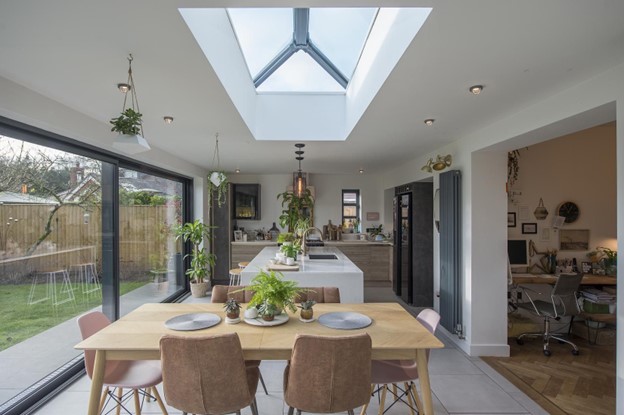
The sheets of glass are getting bigger too. You can span whole rooms now without needing loads of supporting bars across the middle. I saw one recently that was basically the entire roof of a kitchen extension. Sitting underneath it felt like being outside, but without the rain.
There’s definitely a move towards keeping things simple. People want to see sky, not framework. Works lovely in new builds, but I’ve also seen it done really tastefully in older houses.
Maximising Natural Light
Where you put your skylight matters just as much as size. South-facing ones give you steady light all day, which is perfect for your main living spaces. North-facing glazing is softer and doesn’t create those harsh shadows – artists prefer it for studios.
Here’s something nobody tells you: watch your room for a few days first. See where the sun moves. I nearly stuck one right in the centre of my office before I realised the light would be much better slightly offset. Would’ve kicked myself if I hadn’t checked first.
Your roof pitch makes a difference too. Steep roofs mean the glass sits more upright, which can actually let in less light overall but keeps things cooler in summer. Flatter roofs catch more direct sun but you’ve got to be dead careful with the waterproofing.
Paint your ceiling white if you can. Light bounces around so much better off pale surfaces. It’s free and it works.
Choosing the Right Skylights
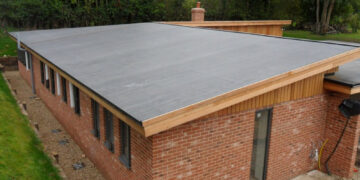
Flat roof skylights need a bit more thought than the ones for pitched roofs. Water’s your main enemy here. The skylight has to sit up proud of your roof with proper kerbs underneath and decent flashing all around. Don’t let anyone tell you otherwise or you’ll have leaks within a year.
Fixed ones are cheaper and simpler – they just sit there letting light in. Opening skylights cost more but they’re worth it in bathrooms and kitchens where you get steam and cooking smells.
uPVC frames are budget-friendly and you don’t have to paint them. Aluminium gives you thinner frames and holds up bigger panes of glass. Timber brings warmth to traditional homes but you’ll need to maintain it every few years.
Everyone does double glazing now as standard, but check what coating is on the glass. Some help keep heat in during winter. Others stop your room turning into a sauna in July.
Energy Efficiency Benefits
Modern skylights aren’t the heat-leaking monsters they used to be. My dad’s old Velux from the 80s practically had ice on the inside in winter. Today’s ones are properly insulated.
You can even get triple glazing for roof lanterns now if you live somewhere really cold. They fill the gaps between the glass panes with argon gas, which keeps heat in better than regular air.
What people forget is how much you save on electricity. When your kitchen’s bright all day, you’re not flicking lights on every five minutes. My own bills dropped noticeably after I had mine fitted.
Even the fanciest glazing won’t help if it’s not fitted properly though. Gaps around the edges or dodgy flashing will let all your heat out. Worth paying for someone who knows what they’re doing.
Inspiring Design Ideas
Instead of one big skylight, try clustering several smaller ones together. Brilliant over a dining table or in a bathroom. My cousin’s done this in her en-suite and it’s like showering under the stars at night.
Kitchen islands with lanterns directly above them are everywhere at the moment – and for good reason. You get lovely light exactly where you’re chopping veg and the island becomes the real heart of the room.
Pairing roof glazing with big glass doors in an extension is stunning. You feel like you’re in the garden whilst staying warm and dry. Friends of ours have done this overlooking their back lawn and it’s gorgeous, even in February.
Don’t overlook small spaces either. A modest skylight in your hallway or landing can turn a dingy corridor into something actually pleasant. These spots usually have no windows at all, so even a small rooflight makes a massive difference.
Conclusion
There’s something about natural light that artificial bulbs just can’t touch. Watching clouds drift past whilst you’re having breakfast or seeing stars from your bath – that’s what roof lanterns and skylights give you. Today’s versions are better insulated, easier to maintain and more affordable than ever. Whether you go for a traditional lantern or a sleek modern rooflight, you’ll wonder how you managed without it.