

The world is full of packaging waste. Every day, we throw away plastic cups, lids, and containers without thinking twice. But all that plastic adds up — and it’s hurting our planet.
Now, something small is making a big difference. It’s called a Pappedeckel. This simple cardboard lid is helping people and businesses reduce plastic waste. You might have already used one without even knowing its name!
In this article, we’ll explore everything about Pappedeckel — what it is, where it comes from, how it helps the environment, and why more companies are using it today. You’ll see how something so small can lead to big change.
What Is a Pappedeckel?
The word Pappedeckel comes from German. It means “cardboard lid.” But it’s not just any lid. It’s made from eco-friendly materials like recycled paper or renewable wood fibers.
You’ve probably seen it on a coffee cup, takeaway container, or small food jar. It looks simple, but it’s strong enough to seal in food, keep drinks hot, and protect items from dirt or spills.
What makes it special is that it’s safe for the environment. While plastic lids sit in landfills for years, a Pappedeckel can break down naturally and even be recycled.
Why Pappedeckel Is Getting Popular
People today care more about the planet. They want cleaner oceans, less waste, and smarter products. That’s one big reason Pappedeckel is becoming popular.
Companies are also paying attention. Many countries have new rules about plastic, and businesses are looking for better options. A cardboard lid checks all the boxes — it’s safe, easy to use, and eco-friendly.
When a customer sees a brand using Pappedeckel instead of plastic, it sends a message. It shows that the brand cares about the planet — and that builds trust.
How Pappedeckel Helps the Environment
Every plastic lid we throw away could last hundreds of years. That’s a big problem. But Pappedeckel offers a simple fix.
Here’s how it helps:
-
It breaks down naturally, unlike plastic.
-
It can be recycled into new paper products.
-
It’s made from renewable or recycled materials.
-
It uses less energy to produce than plastic.
One switch — from plastic to cardboard — might not seem like much. But when millions of people make that switch, it adds up fast.
Pappedeckel vs Plastic Lids: A Clear Winner
Plastic lids may feel strong and cheap, but they come at a cost. They clog oceans, harm animals, and create waste that lasts for centuries.
Pappedeckel does the same job — but in a better way. It’s:
-
Just as strong for everyday use.
-
Better for hot drinks and takeout meals.
-
Safer for the planet.
-
Easier to recycle or compost.
Even better, modern cardboard lids now have special coatings to stop leaks and handle heat. So there’s really no reason to keep choosing plastic.
Where You Can Find Pappedeckel Today
Pappedeckel isn’t just found in coffee shops. It’s popping up in many places, and for good reason.
You might see it:
-
On coffee cups at eco-friendly cafés.
-
Covering soup containers at takeaway spots.
-
On skincare jars made by green beauty brands.
-
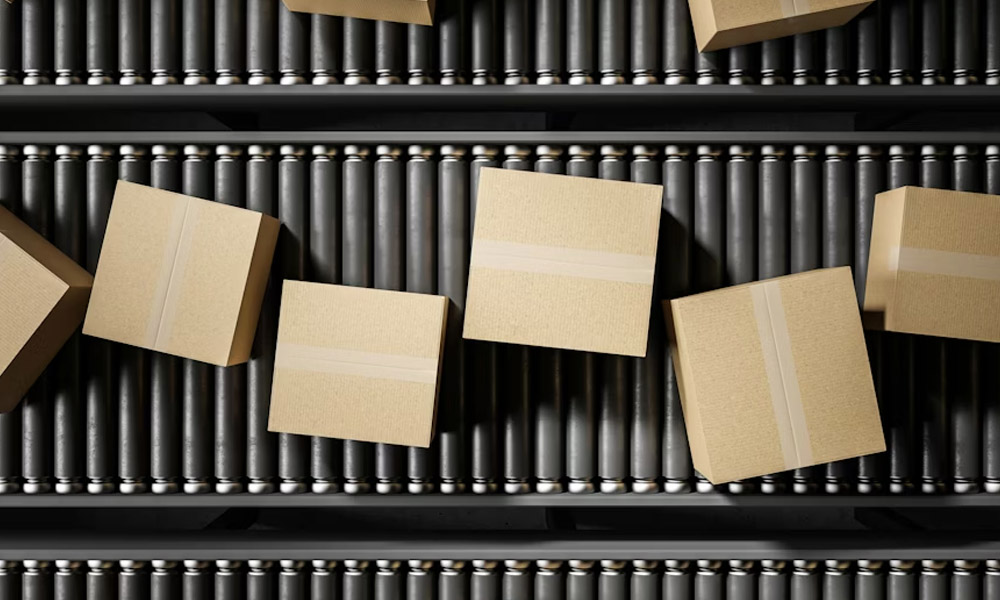
Inside boxes from online stores using eco packaging.
Even people who love crafts and DIY use Pappedeckel for fun projects like coasters, decorations, and custom labels. Its uses are growing every day.
The Story Behind the Pappedeckel
Pappedeckel started in Germany, a country known for caring about recycling and green living. Back in the 20th century, businesses wanted something better than plastic and metal. They needed a lid that was light, cheap, and safe for food.
That’s when cardboard lids began to show up. At first, they were simple and not very strong. But as technology improved, these lids got better — stronger, smarter, and more useful.
Now, Pappedeckel is not just a German idea. It’s a worldwide symbol of smart, sustainable packaging.
How Pappedeckel Is Made
Making a Pappedeckel might sound simple, but it’s done with care. First, manufacturers use recycled paper or responsibly sourced cardboard. This helps protect forests and save trees.
Next, the material is shaped into lids using machines. Sometimes, plant-based coatings are added to make the lid waterproof or heat-safe. No harmful chemicals are used.
Some lids are also printed with logos, designs, or eco-messages using safe inks. The result is a strong, clean lid that’s ready for everyday use — without harming the planet.
Smart Ideas Using Pappedeckel
Pappedeckel is not just for covering cups. It can do much more. Many companies now use these lids in smart and creative ways.
Some add QR codes to the lid. These codes show recycling tips or special offers when scanned. Others print kind messages or cool logos to make the lid feel special. This helps brands stand out without using plastic.
Because it’s easy to print on, a pappedeckel can even become part of a product’s look. Some shops use beautiful, simple designs that match their eco-style. It’s a smart way to show customers they care about the planet.
Real Brands Using Pappedeckel with Success
Big and small businesses around the world are switching to pappedeckel. And the results are great.
For example, a coffee chain in Germany replaced all plastic lids with cardboard ones. In just one year, they reduced plastic waste by 40%. That’s a huge change from one small action.
Another bakery in Scandinavia saw more people visiting after they made the switch. Why? Because people noticed they were trying to be better for the environment. Customers shared it online, and that gave the business free marketing.
Even some large fast-food chains are testing Pappedeckel in different countries. They know that customers want eco options, and this lid makes a good impression.
Challenges Faced by Pappedeckel
Like every product, pappedeckel has a few challenges. But many of them are being solved with new ideas.
One issue is with wet or oily foods. Sometimes, cardboard can soak up moisture. But new plant-based coatings now help lids stay strong, even with hot soup or greasy meals.
Another challenge is cost. Right now, plastic is still a little cheaper in some places. But as more companies order cardboard lids, the price is going down.
Also, not every place has strong recycling systems. This means not all pappedeckel get reused the right way. But many cities are building better systems to fix that.
Why the Future Belongs to Pappedeckel
The world is changing fast. More people care about the earth. More laws are banning single-use plastics. And more brands are switching to eco-friendly packaging.
That’s why pappedeckel is here to stay. It’s light, safe, and easy to recycle. New designs are even stronger and better-looking than before.
Some companies are working on high-tech lids with smart codes and compostable layers. Others are using cardboard in ways we’ve never seen before. This simple lid is becoming part of a big packaging revolution.
How You or Your Business Can Start Using It
If you own a business, switching to pappedeckel is easier than you think. Start by checking what types of plastic lids you use now. Can they be replaced with cardboard?
You can order test samples from eco-packaging suppliers. Look for ones with FSC or compostable certifications. These show the product is safe and responsibly made.
Once you switch, tell your customers! Add a small note or sticker saying, “Now using eco-friendly lids.” People love supporting brands that do the right thing.
Even if you’re not a business owner, you can support those who use pappedeckel. Pick coffee shops and stores that offer sustainable packaging. Every small choice helps.
Conclusion
A pappedeckel may look small, but it stands for something big. It shows that smart, simple changes can protect our planet.
We all use packaging every day. But we don’t always think about where it goes. With cardboard lids, we have a chance to reduce waste, support better habits, and build a cleaner future.
So next time you get a coffee, look at the lid. If it’s a pappedeckel, smile — you’re holding something that matters.
You may also read: What Is EO Pis? The Simple Guide Every Business Leader Should Read