

Egress windows are a critical feature for basements, especially when homeowners want to create safe, functional, and livable spaces below ground level. These windows are designed not only for aesthetics but primarily for safety, providing a reliable emergency exit in case of fire or other hazards. Beyond safety, egress windows contribute to natural light, ventilation, and the overall comfort of a basement, making them an essential component in any home renovation or improvement project. When combined with professional basement waterproofing services, egress windows become a cornerstone for protecting the basement from water damage and ensuring long-term structural stability.
Understanding Egress Windows
Egress windows are larger-than-standard basement windows specifically designed to allow occupants to exit safely in an emergency. They must meet specific building code requirements for width, height, and overall opening area. These requirements ensure that anyone, including children or elderly individuals, can safely climb through the window to reach the outside.
In addition to serving as emergency exits, egress windows improve the overall quality of basement spaces. Many basements feel dark, damp, or cramped, but adding an egress window can bring in natural light and fresh air, transforming the space into a more inviting environment. This is especially valuable when homeowners convert basements into bedrooms, offices, or recreational areas.
The Safety Importance of Egress Windows
Safety is the primary reason to install egress windows. Fires or other emergencies can make basements particularly dangerous due to limited exits. Standard small basement windows rarely provide enough space for a quick and safe escape, while egress windows are built to ensure that anyone can exit in case of an emergency.
Building codes often require egress windows in basement bedrooms, making them a legal necessity as well as a safety feature. Compliance not only protects occupants but also increases the value of a home by ensuring that basement living spaces meet legal standards for safety. Homeowners who prioritize egress windows demonstrate a commitment to protecting their family and property.
Choosing the Right Egress Windows
Selecting the right egress window involves several factors. Size is the most critical element, as the window must meet or exceed building code requirements for emergency exits. The type of window also matters; popular options include casement, slider, and awning windows, which are easy to operate and provide the required opening size.
Material choice affects durability and maintenance. Vinyl, aluminum, and fiberglass windows resist moisture and require minimal upkeep, making them ideal for basement environments. Energy efficiency is also important, as basement windows can contribute to heat loss or condensation if not properly insulated.
Installation Considerations
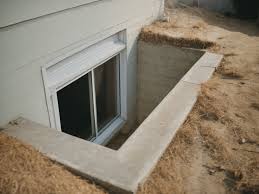
Proper installation is essential to maximize the effectiveness of egress windows. Placement must allow safe, unobstructed access to the outside, which may require excavation to install a window well if the basement is below ground level. The well should be wide and deep enough to meet code requirements and provide easy escape in an emergency.
Drainage is another key consideration. Without proper drainage, water can accumulate around the window, increasing the risk of basement leaks and foundation damage. Partnering window installation with basement waterproofing services ensures that water is directed away from the foundation, preventing leaks, mold growth, and structural issues. Waterproofing around egress windows protects both the basement and the investment in the windows themselves, extending their lifespan and effectiveness.
Egress Windows in Basement Renovations
Egress windows are often central to basement renovation projects. Homeowners seeking to convert basements into bedrooms, offices, or recreational spaces must consider both safety and comfort. Egress windows satisfy both needs by providing emergency exits and allowing natural light to brighten the space.
Renovations often address moisture issues simultaneously. Basements are prone to dampness, leaks, and water-related damage, which can compromise furniture, finishes, and even structural components. Integrating basement waterproofing services during egress window installation creates a comprehensive solution that protects the basement while enhancing livability. Waterproofing prevents water intrusion, reduces pressure on foundation walls, and ensures a dry, comfortable basement for years to come.
Additional Benefits of Egress Windows
Beyond safety, egress windows offer multiple advantages:
- Natural Light: Egress windows bring daylight into basements, reducing reliance on artificial lighting and improving overall ambiance. Bright spaces feel larger, more inviting, and more comfortable.
- Ventilation: Properly installed egress windows allow fresh air circulation, reducing humidity and preventing musty odors. Good airflow minimizes mold and mildew growth, creating a healthier environment.
- Increased Home Value: Basements with egress windows are more attractive to potential buyers. They meet safety codes, provide livable space, and offer a modern, bright environment, making the home more marketable.
Maintaining Egress Windows
Regular maintenance ensures that egress windows remain functional and safe. Inspections should check for cracks, water damage, or debris accumulation in window wells. Leaves, dirt, and other obstructions should be cleared to prevent blockages and water buildup.
Testing the windows periodically is also essential. Ensure that locks, hinges, and opening mechanisms work smoothly. Incorporating basement waterproofing services as part of ongoing maintenance guarantees that water is directed away from the window and basement walls, protecting both the window and the overall basement structure.
Integration with Waterproofing and Drainage
One of the most important aspects of egress window installation is proper integration with waterproofing and drainage systems. Water intrusion around basement windows is a common source of leaks and foundation issues. Basement waterproofing services often include exterior drainage, window well drains, and sump pumps, which work together to keep water away from the foundation.
Combining egress windows with professional waterproofing creates a comprehensive solution for basement safety and functionality. The windows provide emergency exits, natural light, and ventilation, while waterproofing prevents water damage, structural problems, and mold growth. This integrated approach ensures that the basement remains safe, comfortable, and durable for years.
Conclusion
Egress windows are an essential addition to any basement, providing emergency safety, improved natural light, and better ventilation. Their importance is magnified when paired with basement waterproofing services, which protect the basement from water intrusion, foundation damage, and mold growth. Together, these solutions create a safe, comfortable, and functional basement that complies with building codes and enhances the overall value of the home.
For homeowners considering basement renovations or safety improvements, installing egress windows alongside professional waterproofing services is a smart investment. Proper installation, regular maintenance, and effective drainage systems ensure that the basement remains livable and secure. Ultimately, egress windows are not just a regulatory requirement—they are a vital feature that transforms basements into safe, bright, and enjoyable living spaces for families.