

People who run businesses and own homes need to find sustainable energy solutions because energy demand keeps increasing and sustainability becomes a requirement. The photovoltaic container stands as the most advanced solution because it delivers portable power through its complete solar energy system that operates in any location.
These containerized systems provide solar power through their built-in solar panels and batteries and power management tools which combine into one unit that people can move anywhere. The system provides complete freedom for all types of power requirements because it supports both off-grid operations and backup power situations.
What Is a Photovoltaic Container?
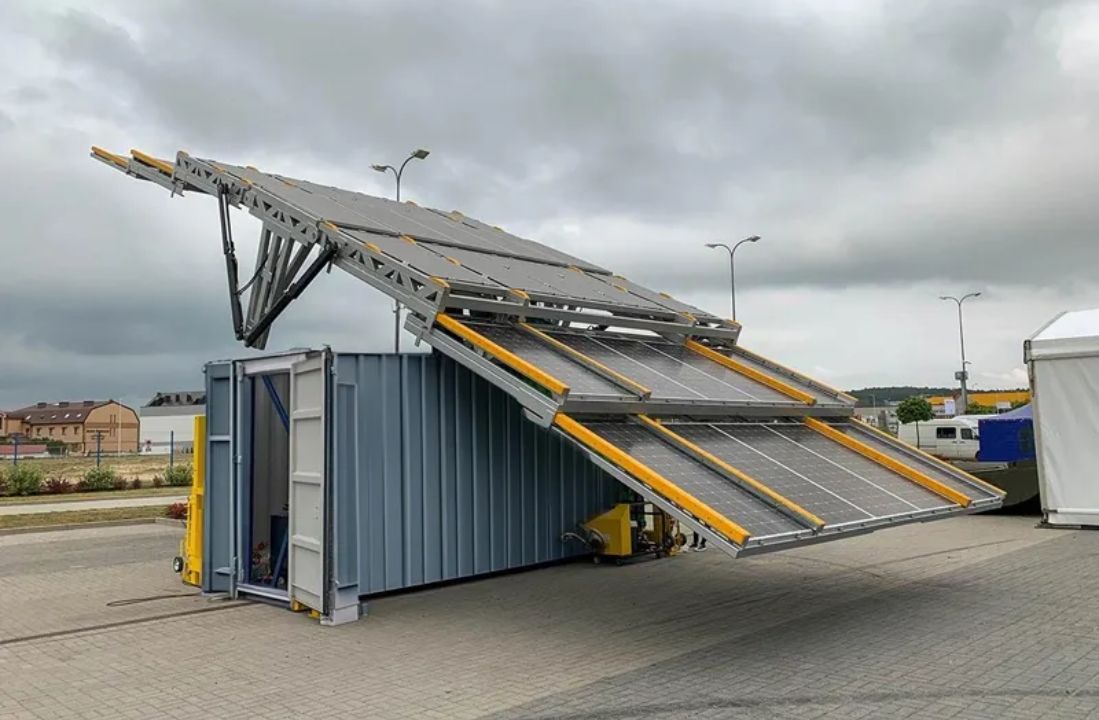
The photovoltaic container serves as a comprehensive solar energy solution which operates from its shipping container design. The system combines different elements which include solar panels that generate power and battery storage systems.
- Solar panels for energy generation
- Battery storage systems
- Inverters for power conversion
- Charge controllers for regulation
- Monitoring systems for performance tracking
This system enables users to create electricity which they can store and distribute without needing to connect to a central power grid. The portable solar container develops the concept by providing users with mobile energy solutions which they can use in distant or short-term sites.
Why Choose a Photovoltaic Container?
Prior to setting them up, understanding why these technologies are becoming more popular is a must.
1. Portability and Flexibility
The design of a portable solar container allows for easy transportation which makes it suitable for use in remote locations and construction sites and emergency situations.
2. Quick Deployment
The new solar systems need only a few hours for their operational status, which differs from the traditional solar systems that require multiple weeks for their installation..
3. Energy Independence
Utility providers demonstrate unreliability.
4. Cost Efficiency
Users end up saving quite a bit on electricity and fuel costs over time.
5. Eco-Friendly Solution
Solar energy source is clean and renewable that does its bit to mitigate environmental pressures.
Step-by-Step Guide to Setting Up a Photovoltaic Container
The photovoltaic container system requires complete planning and execution which establishes its operational system. The following steps should be followed to achieve maximum operational performance and efficiency.
Step 1: Assess Your Energy Requirements
The first step is understanding your energy consumption.
Ask yourself:
- What devices or equipment will you power?
- How many hours will they operate daily?
- What is their wattage?
The total energy requirement can be calculated into watt-hours by the total power consumption.
Step 2: Select the Right Container Size
Photovoltaic containers come in various sizes, typically:
- 10-foot containers
- 20-foot containers
- 40-foot containers
The size you choose depends on:
- Your energy needs
- Available space
- Budget
Larger systems mean more energy stores and the release of energy..
Step 3: Choose the Installation Location
For example, sever climatic situations, such as the Mediterranean Climate, desert climate, or polar climate, can have a major effect on the type of plant material used for such purposes.
Ensure the site:
- Receives maximum sunlight exposure
- Has minimal shading
- Is stable and level
- Allows proper ventilation
Step 4: Deploy the Solar Panels
Most portable solar container systems include foldable or expandable solar panels.
Steps include:
- Unfolding or extending panels
- Positioning them toward direct sunlight
- Adjusting the tilt angle (usually between 15°–40°)
Appropriate positioning allows for maximal energy absorption during the day.
Step 5: Connect the Battery Storage System
In particular, storage of energy is critical to store excess energy.
Typically, advanced systems use:
- 1. Lithium-ion batteries
- 2. LiFePO4 batteries
Step 6: Configure the Inverter System
Solar panels generate high levels of electricity that are then converted into AC electricity for use in the appliances.
Make sure:
- The inverter matches your load requirements
- It supports peak power demands
- It delivers stable output
Step 7: Test the Entire System
Before full operation, conduct a system test.
Check:
- Power generation levels
- Battery charging performance
- Output stability
- Connection safety
Testing helps identify and fix issues early.
Step 8: Monitor and Optimize Performance
Most photovoltaic containers come with smart monitoring systems.
These allow you to track:
- Energy production
- Battery levels
- Consumption patterns
Monitoring ensures efficient operation and helps optimize energy usage.
Applications of Photovoltaic Containers
These systems are highly versatile and can be used in various scenarios:
Remote Locations
Provide reliable power in off-grid areas.
Construction Sites
Run tools and equipment without diesel generators.
Emergency Response
Deliver quick power solutions during disasters.
Agriculture
Support irrigation systems and farm operations.
Advantages Over Traditional Solar Systems
Compared to conventional installations, a portable solar container offers:
- Faster installation
- Reduced labor costs
- Compact design
- Easy scalability
- Mobility for multiple use cases
Maintenance Tips for Long-Term Efficiency
To maintain optimal system operation for your system:
- You should perform solar panel cleaning to remove dust particles at regular intervals
- You need to perform battery health checks at scheduled times to maintain system functionality.
- Inspect wiring and connections
- Monitor system performance through software
Cost vs Long-Term Benefits
There could be difference in initial costs; however, the long-term benefits are endless.:
- Lower electricity bills
- Reduced dependence on fuel
- Increased property value
- Sustainable energy usage
A solar array is a forward-thinking convert as far as the environment and finance are concerned.
Why Portable Solar Containers Are the Future
A portable solar container provides:
- Plug-and-play functionality
- Reliable performance
- Scalable energy solutions
- Clean and renewable power
These features make it a future-ready investment for individuals and businesses alike.
Conclusion
The establishment of dependable long-term performance requires the implementation of structured installation procedures which begin with energy evaluation and conclude with system performance enhancement.
The installation of a portable solar container system enables easy setup while its design delivers complete operating flexibility which suits multiple different use cases. This technology provides outstanding value for your needs whether you require backup power solutions off-grid energy systems or a portable power source.