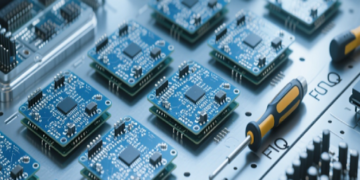


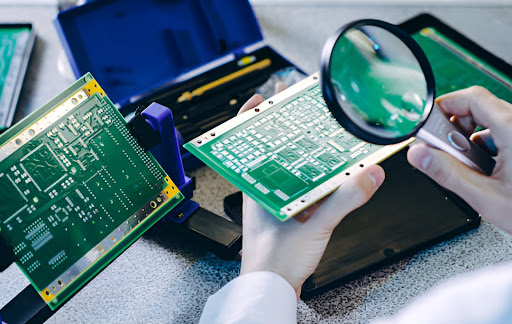
In electronics manufacturing, performance and reliability are often attributed to advanced components and intelligent design. However, one critical factor is frequently overlooked: the materials used in printed circuit boards (PCBs). PCB material selection plays a decisive role in how a product performs, how long it lasts, and how well it withstands real-world operating conditions.
As electronic devices become faster, smaller, and more complex, material choices at the PCB level have a growing impact on signal integrity, thermal behavior, and mechanical stability. For manufacturers, understanding the relationship between PCB materials and product performance is essential for delivering reliable, high-quality devices.
This article explores why PCB material selection matters, how it affects performance and durability, and why working with knowledgeable PCB suppliers is vital in modern electronics manufacturing.
Why PCB Materials Matter More Than Ever
PCB materials form the physical foundation that supports electrical connections and components. These materials influence how signals travel, how heat is managed, and how the board responds to environmental stress.
Modern electronics demand PCBs that can support:
- High-speed signal transmission
- Compact and dense layouts
- Thermal resistance
- Mechanical durability
As requirements increase, selecting the right materials becomes a strategic decision rather than a routine choice.
Understanding Common PCB Material Characteristics
PCB materials vary in electrical, thermal, and mechanical properties. Each characteristic affects how the board performs in specific applications.
Key material properties include:
- Dielectric constant (affects signal speed)
- Thermal conductivity (affects heat dissipation)
- Mechanical strength (affects durability)
- Moisture resistance (affects long-term stability)
Balancing these properties ensures that the PCB performs reliably under expected operating conditions.
Signal Integrity and Material Selection
High-speed and high-frequency applications place significant demands on PCB materials. Poor material choices can lead to signal loss, noise, or interference, affecting overall device performance.
Appropriate material selection helps:
- Maintain consistent signal paths
- Reduce electromagnetic interference
- Improve electrical stability
Suppliers with material expertise can recommend suitable options based on performance requirements rather than default selections.
Thermal Performance and Heat Management
Heat is a major concern in modern electronics. As devices become more powerful, managing heat effectively becomes critical to preventing failures and extending product lifespan.
PCB materials influence thermal performance by:
- Conducting or insulating heat
- Supporting efficient heat dissipation
- Maintaining stability under temperature changes
Proper material choices reduce thermal stress on components and improve long-term reliability.
Durability and Environmental Resistance
PCBs often operate in challenging environments, including temperature fluctuations, humidity, and mechanical stress. Material durability directly affects how well a board withstands these conditions.
Durable PCB materials support:
- Resistance to warping or cracking
- Stable performance over time
- Reduced failure rates in harsh environments
Selecting materials based on environmental conditions helps ensure consistent performance throughout the product lifecycle.
The Role of PCB Suppliers in Material Selection
Choosing the right PCB materials requires experience and technical understanding. Manufacturers benefit from suppliers who can guide material selection based on application needs, production methods, and performance expectations.
This is why many electronics manufacturers collaborate with experienced partners like GlobalWell Printed Circuit Board Supplier when material selection, performance consistency, and reliability are key priorities.
Such suppliers offer insights that help balance cost, performance, and durability effectively.
Balancing Cost and Performance
Material selection often involves trade-offs between cost and performance. While lower-cost materials may meet basic requirements, they may not support advanced performance or long-term reliability.
Experienced PCB suppliers help manufacturers:
- Evaluate material options realistically
- Avoid unnecessary overengineering
- Select cost-effective solutions without compromising quality
This balanced approach supports both product quality and commercial viability.
Supporting Scalable Production Through Material Consistency
Consistency in material selection is essential for scalable production. Variations in materials can lead to differences in performance, yield, and reliability across production batches.
Reliable suppliers ensure:
- Stable material sourcing
- Consistent quality across orders
- Predictable manufacturing outcomes
This consistency is especially important for manufacturers producing at scale.
Material Selection and Product Lifespan
The lifespan of an electronic product is closely tied to PCB material quality. Materials that degrade prematurely can lead to early failures, even if initial performance is acceptable.
High-quality materials contribute to:
- Longer product lifecycles
- Fewer field failures
- Reduced maintenance and warranty costs
Long-term reliability strengthens customer trust and brand reputation.
Industry-Specific Material Requirements
Different industries place different demands on PCB materials. For example, industrial systems may prioritize durability, while high-speed electronics focus on signal integrity.
Suppliers with cross-industry experience understand how to adapt material choices to meet varying requirements. This flexibility allows manufacturers to serve diverse markets without compromising performance.
Digital Transparency and Material Expertise
In today’s digital environment, manufacturers often assess suppliers through their online resources. Platforms such as globalwellpcba.com provide insight into how PCB suppliers communicate their manufacturing capabilities, material expertise, and quality focus.
A transparent digital presence supports informed supplier evaluation and trust-building.
Preparing for Future Material Challenges
As electronics continue to evolve, material requirements will become even more demanding. Higher frequencies, smaller form factors, and increased integration will push PCB materials to new limits.
Manufacturers that partner with experienced providers like GlobalWell Printed Circuit Board Supplier gain access to material expertise that supports innovation while maintaining reliability.
Conclusion
PCB material selection is a foundational factor in electronics manufacturing. From signal integrity and thermal management to durability and product lifespan, materials influence every aspect of PCB performance.
By working with knowledgeable PCB suppliers and prioritizing informed material choices, manufacturers create reliable, high-performing products that stand the test of time. In an increasingly competitive electronics market, the right material decisions make all the difference.