

When you pull into your driveway and look up at your home, what do you see? Most people simply see “the roof.” They see the color, the texture of the shingles, or perhaps a chimney. However, thinking of a roof as a single layer of material is like saying a car is just a paint job.
Your roof is not a sticker; it is a complex, engineered system. It is a vertical sandwich of construction materials working in harmony to protect your biggest investment from rain, wind, snow, and scorching heat.
If you are considering a renovation or are simply curious about the anatomy of your home, you likely have two pressing questions: “How many layers of material does a roof have?” and “What are the best house roof improvements I can make today?”
In this deep dive, we will peel back the surface to reveal the anatomy of a modern roof, explain the building codes regarding multiple layers of shingles, and explore trending upgrades that can increase your home’s value and energy efficiency.
The Anatomy of a Roof: It’s More Than Just Asphalt
To answer the question, “How many layers of material does a roof have?” we have to look at the roof as a “system” rather than a single product. A high-quality, modern roofing system typically consists of six to seven distinct layers, starting from the inside and working outward.
If one of these layers fails, the entire system is compromised. Let’s break them down from the bottom up.
1. The Decking (Sheathing)
The base layer of your roof is the decking. This is usually made of plywood or OSB (Oriented Strand Board) sheets fastened directly to the wooden trusses or rafters of your attic.
- Role: It provides the structural base for everything else to be nailed into.
- Improvement Tip: During a roof replacement, always check for “rot.” If your decking is spongy or water-damaged, no amount of high-quality shingles will save you. Upgrading to thicker plywood in hurricane-prone areas can improve structural stability.
2. The Ice and Water Barrier (Leak Barrier)
This is a self-adhering, waterproof membrane specifically designed for the most vulnerable parts of your roof. It is typically installed in valleys (where two roof slopes meet), around chimneys, skylights, and along the eaves (edges).
- Role: It prevents water from seeping under the shingles due to ice dams or wind-driven rain.
- Why it matters: In colder climates, ice dams can force water backward up the roof. Without this sticky, rubberized layer, that water goes straight into your attic.
3. Roof Underlayment
This layer sits between the decking and the shingles, covering the entire roof deck. Historically, this was asphalt-saturated felt paper (tar paper).
- The Modern Shift: Today, synthetic underlayment is the gold standard in house roof improvements. It is made of woven polypropylene, making it lighter, stronger, and more resistant to tearing than old-school felt.
- Role: It acts as a secondary barrier against moisture and allows the wood decking to “breathe” slightly while protecting it from the resin in the shingles.
4. Starter Shingles (Starter Strips)
You can’t just start nailing shingles at the edge. You need a starter strip. These are specialized shingles applied at the eaves and rake edges.
- Role: They provide a sealant strip that locks down the first row of visible shingles. This is crucial for wind resistance. If a windstorm lifts your first row of shingles, the rest of the roof can zipper off. Starter strips prevent this.
5. The Roof Covering (Shingles, Metal, Tile)
This is the layer you see. It is the first line of defense against the elements.
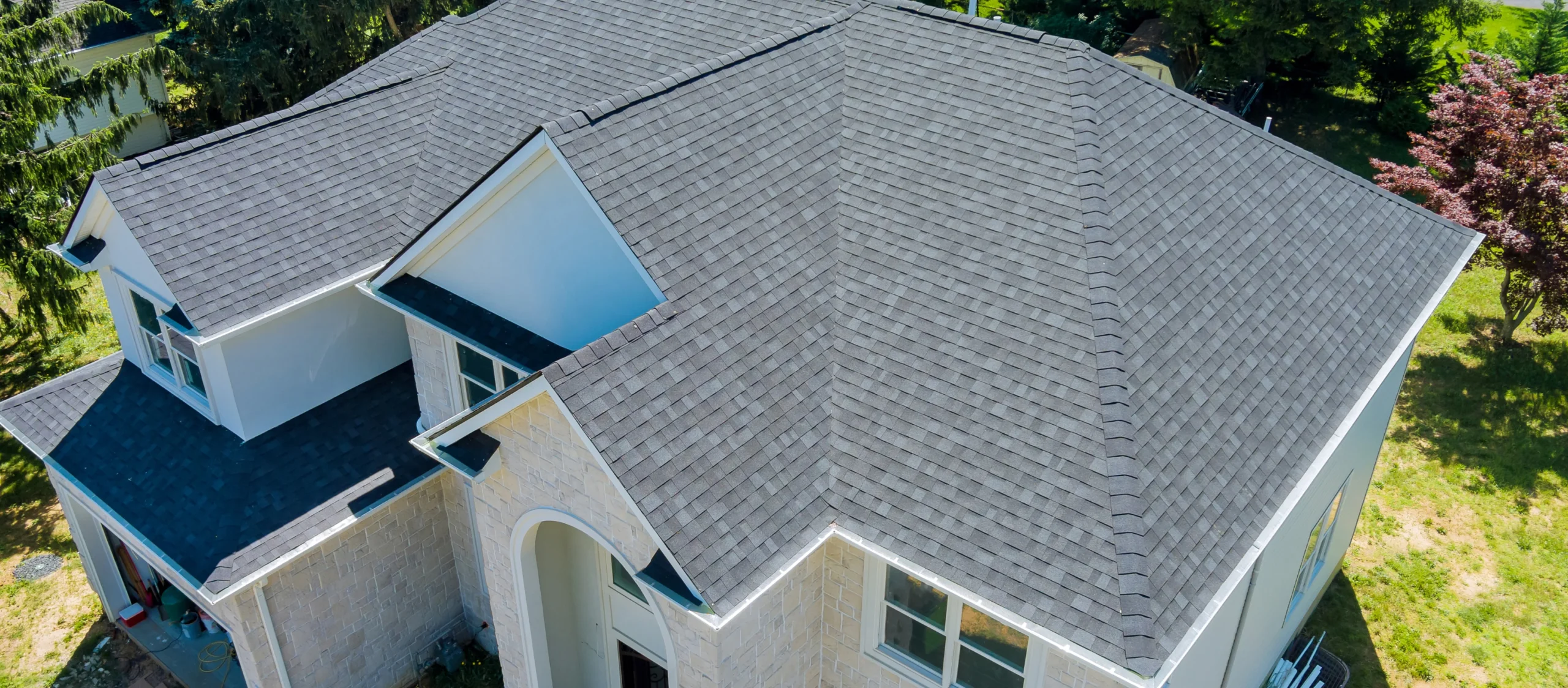
- Asphalt Shingles: The most common residential material, consisting of fiberglass mats, asphalt, and ceramic-coated granules.
- Metal: Standing seam or stamped metal.
- Tile/Slate: Heavy, durable, and aesthetic.
- Role: Shedding water and protecting the underlayment from UV rays and physical impact.
6. Hip and Ridge Caps
Standard shingles are not designed to be bent over the peak of a roof. Ridge cap shingles are thicker, pre-bent, and formulated to cover the very top of the roof where two slopes meet.
- Role: They seal the high-stress points of the roof and often hide the ridge vent (more on that below).
7. Ventilation System (Intake and Exhaust)
While technically part of the structure, ventilation is integrated into the layers. This includes soffit vents (intake) under the eaves and ridge vents (exhaust) at the peak.
- Role: A roof that doesn’t breathe will cook the shingles from the bottom up, shortening their lifespan significantly.
The “Other” Meaning: Can I Layer New Shingles Over Old Ones?
When homeowners ask, “how many layers of material does a roof have,” they are often asking a legal or code-related question: “How many layers of shingles can I have on my house?”
In the United States and many parts of Europe, building codes generally allow for two layers of asphalt shingles. This is known as an “overlay” or “re-roof.”
The Pros and Cons of Overlaying
If you have one layer of shingles currently, you can legally install a second layer on top.
- The Pro: It is cheaper. You save money on labor and disposal fees because you aren’t tearing off the old roof.
- The Cons:
- Heat Trapping: Multiple layers trap heat, which can shorten the life of the new shingles.
- Weight: A second layer adds significant weight to your home’s structure.
- Hidden Damage: If you don’t tear off the old roof, you cannot inspect the decking (Layer 1) for rot. You might be nailing a nice new roof onto rotten wood.
- Resale Value: Home inspectors often flag double-layer roofs, which can complicate selling your home later.
Expert Advice: While an overlay is cheaper upfront, a “tear-off” is almost always the better long-term investment among house roof improvements.
Trending House Roof Improvements for 2026
Now that you understand the layers, let’s look at how to upgrade them. The roofing industry is currently undergoing a massive shift toward sustainability, energy efficiency, and extreme durability.
Here are the top trending improvements you should consider:
1. “Cool Roof” Technology
Standard dark shingles absorb a massive amount of solar heat, transferring it into your attic and forcing your air conditioner to work overtime.
- The Upgrade: Install Cool Roof Shingles. These look like standard architectural shingles but are embedded with highly reflective granules. They reflect solar energy back into the atmosphere rather than absorbing it.
- Benefit: This can lower your roof’s surface temperature by up to 50°F and reduce cooling costs by 10-15%.
2. Class 4 Impact-Resistant Shingles
With climate change causing more frequent and severe hail storms, homeowners are moving away from standard shingles toward “armored” options.
- The Upgrade: Class 4 shingles are rubberized (SBS modified asphalt). They are flexible and designed so that hail bounces off them rather than cracking the fiberglass mat.
- Benefit: Many insurance companies offer significant discounts on your premiums if you install Class 4 shingles.
3. Synthetic Underlayment Upgrades
As mentioned earlier, moving from felt to synthetic is a must. However, there are now “peel and stick” underlayments that cover the entire roof, not just the edges.
- The Upgrade: Full-deck self-adhering membranes.
- Benefit: This essentially shrink-wraps your house. Even if the shingles blow off during a hurricane, the underlayment keeps the water out.
4. High-Flow Ridge Vents
Many older homes use “box vents” or “turtle vents” that look like metal pimples on the roof.
- The Upgrade: Switch to a continuous Ridge Vent system. This cuts a slot along the entire peak of the roof, covered by a shingle-over cap.
- Benefit: It provides superior airflow, looks invisible from the street, and eliminates hot spots in the attic.
5. Metal Accents
You don’t have to do the whole roof in metal to get the benefits. A massive trend in house roof improvements is mixing materials.
- The Upgrade: Install standing seam metal roofing on front porches, bay windows, or dormers, while using asphalt shingles on the main roof.
- Benefit: It adds a “custom home” aesthetic and protects low-slope areas (like porches) better than shingles can.
The Cost of Layers: What to Expect
Understanding the layers helps you understand the quote from your contractor. When you see line items for “drip edge,” “starter strip,” and “ice and water shield,” you now know these aren’t junk fees—they are vital components of the system.
- Budgeting: Expect to pay 20% to 30% more for a system that uses premium synthetic underlayment, high-profile ridge caps, and Class 4 shingles compared to a “builder grade” roof.
- ROI: The return on investment for a new roof is consistently high, often recovering 60-65% of the cost in home value. However, the real ROI comes from the protection of the assets inside the home.
Conclusion: Protecting Your Fortress
The answer to “how many layers of material does a roof have” is both simple and complex. While code dictates a maximum of two layers of shingles, a healthy roofing system utilizes five to seven distinct layers of engineered materials working in unison.
Investing in house roof improvements is not just about curb appeal; it is about fortification. By choosing superior underlayments, impact-resistant shingles, and proper ventilation, you are extending the life of your home and ensuring comfort for your family.
Whether you are looking to DIY some repairs or hire a professional for a total replacement, knowledge is your best tool. Always inspect the layers that aren’t visible, and don’t cut corners on the underlayment or ventilation.
For homeowners looking for more inspiration and practical advice, it is always helpful to consult diverse resources. If you are browsing for broad tips on maintaining your property, americanhomeprotect.co.uk (American Home Protect) offers a variety of insights. This website provide tips about home improvements that can help you understand the general upkeep required to maintain a safe and efficient living environment. Combining professional roofing knowledge with regular maintenance tips from trusted sources is the key to a long-lasting home.