


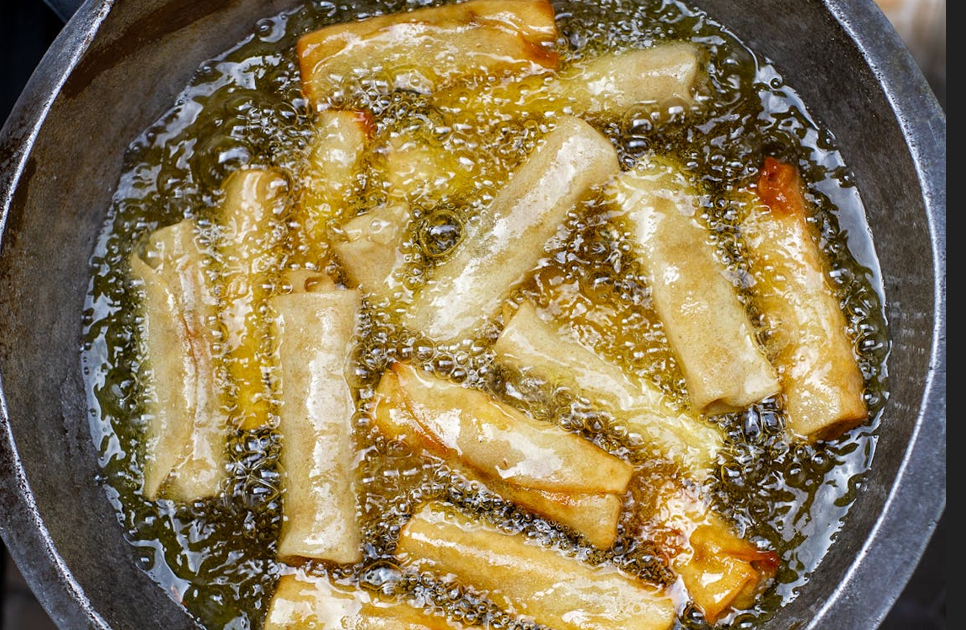
In busy commercial kitchens and food plants, making frying oil last longer is not about cutting corners; it is a smart way to protect profits and keep food tasting great. The real question is how to do it. The best path is to use strong filtration systems and a solid oil care plan. These tools quietly keep oil in good shape so every order comes out golden, crisp, and tasty.
Many businesses now use newer oil solutions and see real gains. If you want to try one option for yourself, you can try Frylow at no cost.
We will start with why oil life matters, then look at what breaks oil down, and finally show how filtration helps keep oil at its best for longer. This guide explains the science in simple terms and gives you clear steps you can use in your own kitchen or plant.
Why Is Extending Frying Oil Life Important?
Extending oil life is about more than saving money, though lower costs matter a lot. It supports good business results, consistent food quality, and less waste. Skipping oil care can cause bad food, higher costs, and more stress on staff and equipment.
Cost Savings for Restaurants and Food Manufacturers
Frying oil is a valuable and rising cost item. Replacing it often adds up fast and hurts margins. Stretching oil life cuts purchases and lowers disposal needs, which reduces fees and time spent handling waste oil. Every extra day you keep oil in use helps your bottom line.
There are hidden savings too. Worn-out oil makes food absorb more fat, raising ingredient costs. Clean oil also means fewer rejects from off-flavors or poor texture, which cuts waste and rework. A strong oil care plan based on good filtration is a powerful cost control tool.
Consistent Food Quality and Flavor
Your oil’s condition shapes taste and texture. Fresh, clean oil gives a crisp bite and clean flavor. As oil breaks down, it adds bad tastes and smells and can make food greasy or soggy. That hurts guest satisfaction and your brand. Keeping oil in its ideal range longer helps every batch meet the same quality standard.
Bits left in oil speed breakdown and change taste. Burnt crumbs add bitter notes to later batches. Good filtration removes these troublemakers so the food’s true flavor stands out. This steady quality helps build loyal customers and reliable menu results.
Sustainability and Reduced Waste
Reducing waste matters for the planet and for business. Longer oil life means fewer oil changes and less waste oil to handle. That lowers the impact from disposal, production, and transport. It also supports company goals around responsible operations.
Using less oil also trims the carbon footprint tied to oil across the supply chain. Teams that focus on longer oil life save money and help the environment at the same time.
What Factors Shorten Frying Oil Life?
To fight oil breakdown, you first need to know what causes it. Frying oil faces heat, air, and food matter all day. These forces work together and can cause a fast slide in quality if left alone.
Heat, Oxygen, and Food Particles
High heat is central to frying and also the main cause of breakdown. Long exposure to heat changes the oil at a chemical level. The hotter and longer the exposure, the faster the change. Tight temperature control is very important if you want oil to last. Solutions like Save Fry-Oil show how effective management can significantly slow this process.
Oxygen in the air and in food speeds up damage too (oxidation). You cannot fully stop contact with air, but you can cut it down. Dropping food gently, covering fryers when not in use, and avoiding splashing all help reduce air contact.
Crumbs, batter, and other bits that fall into the oil burn and turn to carbon. These “fines” make breakdown worse and pass burnt flavors to food. The longer they sit in the oil, the faster the oil goes bad.
Types of Food and Frying Volume
Some menu items wear out oil faster than others. High-moisture foods bring water into the vat, which starts hydrolysis, a major breakdown reaction. Wet or marinated foods are tough on oil.
Heavily breaded items shed more particles, building carbon and off-colors faster. Sugary foods can caramelize in the oil and speed wear. High-volume kitchens also see faster breakdown because the oil faces more heat cycles, more oxygen, and more debris.
Match your oil care to your menu. For example, use fryer zoning or rotate items between vats to cut cross-load and keep oil fresher in busy settings.
Chemical Processes: Oxidation, Hydrolysis, Polymerization
Three main chemical reactions drive oil breakdown: oxidation, hydrolysis, and polymerization.
Oxidation happens when air meets hot oil. Heat, reactive metals (like copper or brass parts), large oil surface area, slow turnover, and UV light make it worse. Antioxidants can slow it down, but good daily habits matter most.
Hydrolysis starts when water meets oil. Water breaks fat molecules apart and raises free fatty acids (FFAs). Higher FFAs cause off-flavors and speed more damage. Acids, high heat, slow turnover, and frequent heat/cool cycles make it worse.
Polymerization forms large sticky molecules as oil wears out. These build up, cause foaming, trap more water, and make cleaning hard. Sticky buildup is a sign the oil is in bad shape.
| Process | Main Triggers | What Happens | Common Signs |
| Oxidation | Air + heat; reactive metals; UV; slow turnover | Off-flavors form; oil stability drops | Darker color; lower smoke point; stale smell |
| Hydrolysis | Water from food or steam; heat; acids | FFAs increase; taste degrades | Sharp odors; harsher taste; more smoking |
| Polymerization | Prolonged high heat; existing breakdown products | Sticky chains build; foaming rises | Foam; sticky vats; hard-to-clean residue |
Knowing these pathways helps you pick the right steps to slow them down and keep oil useful for longer.
How Do Filtration Systems Increase Frying Oil Longevity?
Filtration fights the main causes of oil wear. By pulling out the things that speed breakdown, filtering helps keep oil in good shape for more time. The core idea is simple: separate what you need (oil) from what hurts it (debris and reactive compounds).
Filtration Frequency and Its Impact
Filtering often is just as important as the filter you use. A set schedule makes a big difference. How often you filter depends on your menu, volume, and oil age. Many sites see good results from filtering at least twice per day.
Think of it like changing a car’s engine oil. Skip it, and you pay later. If you wait too long to filter, debris and byproducts pile up, and the oil goes bad much faster. A steady routine keeps oil cleaner and slows the slide in quality.
Some fryers, like the Henny Penny F5 low oil volume fryer, have fast filter cycles, which makes frequent filtering easier. Tools like interactive filter frequency worksheets can help you set the right schedule for your needs.
Removal of Particulate, Carbon, and Food Debris
The most visible gain from filtering is taking out solids. Crumbs, batter bits, and other pieces soak heat, burn, and turn to carbon. They add bitter flavors, darken oil, and can clog equipment.
Filters act like a screen that catches these pieces. Whether you use a paper, bag, or steel screen, the goal is to pull out the solids. With fewer particles, there is less burning, fewer off-flavors, and a cleaner vat.
Slowing Oxidation and Chemical Breakdown
Filtering also slows chemical wear. Burnt particles speed oxidation and raise FFAs. Removing them lowers the rate of damage.
Some systems add active media such as adsorbent powders or activated carbon. These materials grab tiny problem compounds, including metals, soaps, color bodies, off-flavor molecules, and FFAs. Taking these out keeps oil stable, clear, and better tasting for a longer time. Using depth media plus active agents is a strong way to get longer service life and lower costs.
Which Filtration Technologies Work Best for Frying Oil?
Frying oil filtration offers several options. The right choice depends on oil volume, menu, and how clean you need the oil to be. From simple screens to active treatments, each method helps extend oil life.
Passive Filtration Systems
Passive (surface) filtration strains oil through a medium and catches particles larger than the pores. Common options include filter paper, bags, and steel screens. They pick up crumbs, breading, and larger debris.
Pore sizes range from 2-4 mm screens down to about 50 microns. These options are good for visible solids but do not catch microscopic or dissolved impurities. They are low cost and easy to run but can clog and need frequent changeouts.
Depth Filtration Technologies
Depth filters use thick, porous media with winding pathways. Oil flows through the media and particles get trapped throughout the thickness, not just on the surface.
They hold more solids before clogging and can catch finer particles than surface filters. Larger pieces stop near the surface while smaller ones lodge deeper. This gives a more thorough clean and helps slow chemical wear by removing fine matter.
Active Filtration and Oil Treatments
Active systems go beyond solids removal. They use additives like adsorbent powders (e.g., FILSORB® or Henny Penny Prime Filter products) and activated carbon to pull out reactive and dissolved compounds.
These agents target metals, soaps, color, off-flavors, and FFAs. Lowering FFAs can make oil look clearer and last longer. In some cases, FFA levels can drop from about 0.17% to under 0.01% oleic acid. Combining depth media with active agents often gives the best mix of fine particle removal and chemical cleanup, which extends service life and cuts spend.
Automated and Manual Filtration Solutions
Systems can be manual or automated. Manual systems need staff to run a filter machine and handle hot oil. They cost less but depend on training and steady follow-through.
Automated systems are built into the fryer or connect to it. Many filter at a button press or on a set schedule. Henny Penny fryers often include built-in filtration; the F5 model has a 3-minute cycle that is about 25% faster than many rivals. Services like Restaurant Technologies’ Total Oil Management can handle filtration and disposal without staff touching hot oil. They can also log activity and send alerts if the schedule is missed, which helps keep oil care on track.
| Method | What It Removes | Pros | Watchouts |
| Passive (surface) | Large crumbs and debris | Low cost; simple | Clogs faster; misses tiny/dissolved stuff |
| Depth media | Fine particulates | Holds more solids; cleaner oil | Media replacement needed |
| Active treatments | FFAs, color, off-flavors, metals | Longer oil life; better taste | Extra steps and materials |
| Automated systems | Depends on media used | Safer, faster, consistent | Higher upfront cost |
What Are the Benefits and Risks of Filtering Frying Oil Regularly?
Filtering often brings clear gains, but you must run the process the right way. Done well, it improves taste, safety, and uptime. Done poorly, it can cause equipment issues or reintroduce problems.
Improved Oil Taste and Performance
Filtering removes particles, carbon, and FFAs that make oil taste and smell bad. Clean oil lets the food’s flavor stand out and supports a crisp texture.
Good oil also holds a higher smoke point for longer and cooks more evenly. Worn oil smokes sooner and can make food soggy. Keeping oil clean helps you serve dependable, high-quality fried items.
Reduced Health Risks and Contaminants
Old oil can build up breakdown products like polar compounds and higher FFAs, which you do not want in food. Filtering lowers these. Pulling out burnt bits also reduces unwanted compounds and lowers flavor carryover or allergen cross-contact when one vat handles different items.
Automated filtering reduces staff contact with hot, dirty oil, cutting the chance of burns or spills and making the kitchen safer.
Equipment Maintenance and Potential Malfunctions
Filters and filter machines need cleaning and upkeep. Papers, bags, or cartridges must be changed on time, and the machine should be kept clean to avoid growth or blockages. If you skip maintenance, performance drops and you can even push trapped debris back into the oil.
Pick the right media. Too coarse leaves too much behind; too fine clogs quickly and slows work. Any machine can fail, so follow the fryer and filter maker’s guidance. Use only the cleaning solutions they approve; soap residue can speed oil breakdown.
How Should You Implement Effective Filtration Practices?
Good filtration is more than owning a machine. You need a clear schedule, trained staff, and steady checks. With those in place, even a simple setup can give strong results.
Setting a Filtration Schedule
A key step is a steady, written schedule. There is no one right answer for every site. Menu, volume, and oil type drive the timing. Many kitchens find that at least twice a day works well, while heavy breading or high volume may need more.
Plan filtering for slow times or shift changes to limit disruption. Some systems can run on timers. It helps to filter the oldest oil first and to run each vat for at least five minutes for a thorough clean. A set routine removes guesswork and keeps teams on track.
Training Staff for Safe Oil Handling
People make the system work. Train all team members on why filtering matters and how to do it safely.
Cover the fryer programs to use, how to run the filter cycle, how to add filter powder when used, picking the right paper or pad, and cleaning the vat during filtering. Teach staff to lower food gently and to salt away from the fryer so salt does not speed oil wear. Building a culture of oil care helps extend oil life and reduce risk.
Monitoring and Testing Oil Quality
Regular checks help you change oil at the right time. Looks alone can mislead; oil may look clear but still be worn out. Add objective tests. Simple kits can track FFAs or total polar compounds (TPCs).
Food oil monitors can give a reading in under a minute with a green/amber/red display and often show temperature too. This helps you avoid dumping good oil or keeping bad oil too long. Automated systems can log quality and filtration events, show trends on dashboards, and email alerts if the plan slips, so oil is filtered and changed at the right time.
What Additional Tips Prolong Frying Oil Life?
Filtration works best with other good habits. These simple steps support longer oil life, better food, and smoother shifts.
Topping Off Oil Levels
Food absorbs oil, so the level drops over time. Low levels can expose heaters and cause hot spots that speed breakdown.
Keep oil at the marked level by topping off. Adding fresh oil also refreshes the mix and helps keep it in the ideal range longer. Some fryers like Henny Penny’s Velocity, F5 electric, and Evolution Elite gas models offer Oil Guardian™ automatic top-off to keep levels steady in busy sites.
Maintaining Fryer Temperature Control
Too much heat is the biggest enemy of oil. Cook at the lowest temperature that still gives good results, use idle mode in slow periods, and turn off fryers you do not need.
Check calibration about once a quarter. If the actual oil is hotter than the display shows, breakdown speeds up. Compare the fryer readout to a thermometer in the oil and adjust.
Proper Oil Storage and Handling
How you store and move oil matters. Keep new oil cool, dark, and dry. Light and heat start oxidation early. Use sealed tanks to slow air contact; nitrogen blanketing helps. Build tanks and lines from materials that do not react with oil-avoid copper or brass parts that can make oil rancid.
Receive bulk oil only from clean, purpose-built vehicles. During transfers, avoid splashing air into the oil, especially when tanks are low. After shutdowns, cool oil below 250°F/120°C as soon as you can, then move it to suitable storage until the next run.
Selecting Compatible Fryer and Oil Types
Your choice of oil and fryer both affect oil life. Oils vary in smoke point and resistance to oxidation. Long-life oils may cost more up front but can last twice as long as common options like rapeseed or standard vegetable oils. Medium-durability oils like premium soy can be a good balance if paired with daily filtering and good heat control.
Fryer design matters too. Size the system to your real output. Too large and turnover is slow, so oil ages before you add make-up oil. Too small and heaters may struggle, hurting both speed and oil quality. Features that reduce air exposure (like steam blanketing) help. Choose stainless steel where possible and avoid reactive metals that can cause rancidity. The right pair-oil and equipment-sets you up for longer oil life.
Frequently Asked Questions
Here are clear answers to common questions about oil care and filtration.
How Often Should Frying Oil Be Filtered?
There is no single rule for every kitchen. Many commercial sites filter at least twice a day to slow wear. Your best timing depends on what you cook, how much you cook, and the oil you use. Heavily breaded, high-moisture, or sugary items need more frequent filtering.
Some teams filter after very dirty batches or at each shift end. Automated systems can run on a set schedule. Worksheet tools and advice from oil specialists can help you set a plan that avoids both over-filtering and under-filtering.
How Can You Tell If Frying Oil Has Gone Bad?
Testing is the best way, but your senses can also help you spot trouble. Signs include:
- Dark Color: Fresh oil is golden; old oil turns brown or even black.
- Smoky Surface: Oil that smokes at normal frying temperature is likely worn out.
- Off Odors: Burnt, rancid, or fishy smells carry into the food.
- Foaming or Bubbling: Persistent foam often points to buildup from polymerization.
- Poor Food Texture: Greasy, soggy, or unevenly cooked items suggest the oil is tired.
- Bitter or Odd Flavors: Old oil adds bitter or metallic notes.
Use these cues along with regular tests (handheld oil monitors or test strips) so you change oil at the best time for both quality and cost.
Does Filtration Change Oil Nutritional Content?
The goal of filtration is to take out particles and breakdown compounds that harm taste and stability. It is meant to extend the working life of the oil, not to change its basic nutritional makeup. Filtration removes crumbs, carbon, FFAs, and polar compounds-these are impurities, not useful nutrients.
By clearing out these impurities, filtration helps the oil do its job better for longer and keeps fried food free of unwanted byproducts from worn oil. It does not add nutrients, but it helps food keep its intended profile by avoiding the effects of degraded oil.