


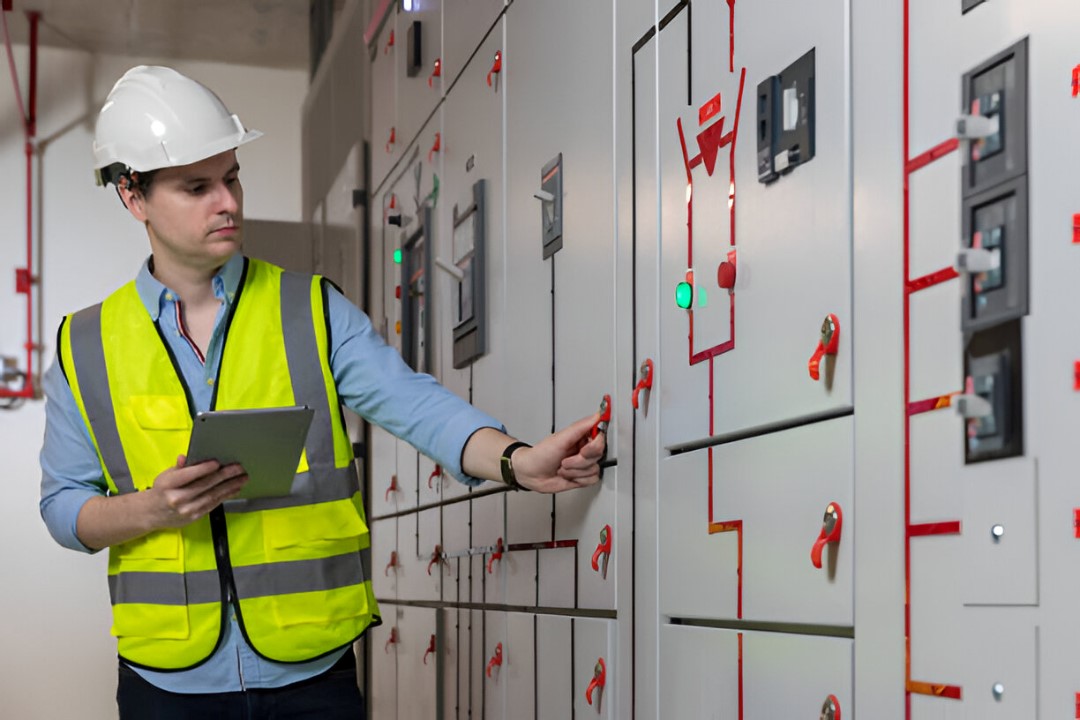
In modern electrical infrastructure, compliance is no longer a formality—it is a necessity. As electrical systems become more complex and energy demands increase, adhering to safety standards and regulatory requirements plays a vital role in protecting people, assets, and operations. Electrical compliance and risk management form the foundation of safe, reliable, and legally secure power systems.
Organizations that ignore compliance often face serious consequences, including safety hazards, operational disruptions, and financial penalties. In contrast, businesses that prioritize compliant electrical systems gain long-term stability, improved safety, and greater operational confidence.
What Electrical Compliance Really Means
Electrical compliance refers to designing, installing, and maintaining electrical systems according to established safety codes, technical standards, and regulatory guidelines. These standards exist to ensure that electrical systems operate safely under normal and abnormal conditions.
Compliance covers multiple areas, including:
- Electrical design standards
- Installation practices
- Equipment quality and certification
- Safety measures and protection devices
- Ongoing inspection and maintenance
Following these requirements reduces the likelihood of accidents and system failures.
Why Compliance Is Critical in Modern Infrastructure
Modern buildings and industrial facilities rely heavily on electricity to support daily operations. A single compliance failure can lead to severe outcomes such as fires, equipment damage, or injury. As systems grow more advanced, the margin for error becomes smaller.
Compliance helps organizations:
- Protect employees and occupants
- Reduce operational risks
- Avoid legal and regulatory penalties
- Improve system reliability
Electrical compliance is not just about meeting legal requirements—it is about creating a safe working environment.
Understanding Electrical Risks
Electrical risks exist in every environment where power is used. These risks may arise from poor design, faulty equipment, overloading, or lack of proper protection. Without effective risk management, small issues can escalate into major incidents.
Common electrical risks include:
- Short circuits
- Overloading
- Insulation failure
- Improper grounding
- Equipment overheating
Identifying and managing these risks is essential for safe and reliable electrical operation.
Risk Management in Electrical Systems
Electrical risk management involves identifying potential hazards, assessing their impact, and implementing measures to minimize or eliminate them. This proactive approach helps prevent incidents before they occur.
Effective risk management includes:
- Hazard identification and analysis
- Proper system design
- Use of certified electrical components
- Regular inspection and testing
- Preventive maintenance strategies
Risk-managed electrical systems are more resilient and dependable over time.
Compliance Challenges in Commercial and Industrial Settings
Commercial and industrial facilities face unique compliance challenges due to high electrical loads, complex equipment, and continuous operations. Ensuring compliance in such environments requires expert planning and execution.
Common challenges include:
- Managing high-power equipment
- Maintaining compliance during system expansion
- Integrating new technologies safely
- Ensuring consistent inspection and documentation
Professional electrical solutions help organizations overcome these challenges by providing structured and compliant system designs.
One company contributing to compliance-focused electrical solutions is Eabel Electrical Solutions, which focuses on delivering electrical products designed to support safety, reliability, and regulatory requirements.
The Role of Certified Electrical Components
Using certified and tested electrical components is a key aspect of compliance. Certified products meet established quality and safety standards, reducing the risk of failure and non-compliance.
Certified components help:
- Ensure consistent performance
- Reduce safety risks
- Simplify compliance audits
- Improve system longevity
Choosing quality components is a fundamental step toward building compliant electrical systems.
Inspection, Testing, and Documentation
Compliance does not end after installation. Regular inspection and testing are essential to ensure that electrical systems continue to operate safely over time. Environmental factors, load changes, and wear can affect system performance.
Inspection and testing help organizations:
- Identify early signs of deterioration
- Verify system performance
- Maintain compliance records
- Reduce unexpected failures
Proper documentation also plays a critical role during audits and regulatory reviews.
Custom Electrical Designs for Compliance
Every facility has unique operational and regulatory requirements. Generic electrical designs may not fully address compliance needs, especially in specialized environments such as factories, hospitals, and data centers.
Customized electrical solutions ensure:
- Alignment with specific regulations
- Improved system safety
- Better risk control
- Long-term compliance
Tailored designs help organizations stay compliant even as systems evolve.
Training and Awareness in Electrical Safety
Human awareness is an important part of electrical risk management. Even well-designed systems can become unsafe if operated incorrectly. Training employees on electrical safety and compliance reduces the risk of human error.
Electrical safety training supports:
- Proper system operation
- Early hazard recognition
- Safe maintenance practices
- Emergency response readiness
A culture of safety strengthens overall compliance efforts.
The Role of Professional Electrical Expertise
Designing compliant electrical systems requires in-depth technical knowledge and understanding of applicable standards. Professional electrical solution providers bring experience and expertise to ensure systems meet regulatory and safety requirements.
A company like eabel.com focuses on providing modern electrical products that support compliance, safety, and reliable performance across different applications. Professional expertise ensures that compliance is built into every stage of the system lifecycle.
Preparing for Regulatory Changes
Electrical standards and regulations continue to evolve as technology advances. Organizations must be prepared to adapt their systems to meet new requirements without major disruptions.
Future-ready compliance strategies focus on:
- Flexible system design
- Scalable solutions
- Regular compliance reviews
- Ongoing system upgrades
Planning ahead helps organizations remain compliant in a changing regulatory landscape.
Long-Term Benefits of Compliance-Focused Electrical Systems
Investing in compliant electrical systems offers long-term benefits beyond safety. Compliance-focused systems reduce risks, improve reliability, and support sustainable operations.
Organizations that prioritize compliance benefit from:
- Fewer safety incidents
- Lower legal and operational risks
- Improved system reliability
- Enhanced reputation and trust
For organizations seeking safe and regulation-ready electrical solutions, Eabel Electrical Solutions continues to support modern infrastructure through quality-driven and compliance-focused electrical solutions.
Conclusion
Electrical compliance and risk management are essential for building safe and reliable power systems. As electrical infrastructure becomes more complex, the importance of adhering to standards and managing risks continues to grow. Compliance-focused electrical solutions protect people, assets, and operations while supporting long-term success.
By investing in professionally designed and compliant electrical systems, organizations create a secure foundation for growth, safety, and future readiness.