

Imagine navigating a bustling city sidewalk on a hot summer day, sirens blaring and the shimmer of heat rising from the pavement. For a caregiver managing summer errands with a sensory-sensitive child, these elements can quickly become overwhelming. The right equipment and strategies are essential to ensure comfort and safety during these outings.
Incorporating practical gear and planning can transform potentially stressful excursions into manageable experiences. One pivotal piece of equipment is an adaptive stroller, which offers features designed to accommodate unique needs.
Timing strategies for a smoother experience
Choosing the right time for an outing can make a significant difference in minimizing urban sensory overload. Opting for quieter hours, typically early in the morning or later in the evening, helps avoid the peak rush when noise levels and foot traffic are at their highest. Planning trips during these less hectic periods allows your child to experience the environment with reduced sensory input, making the outing more enjoyable for everyone involved. Families using adaptive strollers may find that this timing reduces both heat and noise stress for their children.
Paying attention to the AQI & heat index can also guide your timing decisions. On days when the air quality is poor or temperatures soar, it may be best to postpone outdoor activities or keep them brief. This approach not only protects your child from extreme weather conditions but also ensures that their sensory experience remains positive. By aligning your schedule with favorable conditions, you create a more comfortable atmosphere for your child and their special needs stroller.
Additionally, establishing a consistent routine for outings helps children anticipate what to expect, reducing anxiety and making transitions smoother. Sticking to familiar paths and predictable timelines can provide a sense of security and control over the sensory stimuli they encounter. This strategic timing fosters a calmer, more controlled environment for your child’s urban adventures, especially when using adaptive stroller features designed for flexibility.
Planning routes for comfort and safety
When planning your route, prioritize paths that offer shade and protection from direct sunlight. Tree-lined streets or areas with ample awnings provide natural cover that can significantly reduce heat exposure. Low-traffic streets should be your go-to choice for minimizing noise pollution and ensuring a more tranquil journey for your child, particularly when using a special needs pushchair.
Before heading out, check the AQI & heat index to determine the best time and place for your walk. Poor air quality can exacerbate sensory sensitivities. On such days, consider indoor alternatives or choose areas with better ventilation and greenery. Keeping track of these factors ensures that you select routes that are both safe and comfortable, and that your adaptive strollers remain easy to maneuver without extra stress.
At this stage, caregivers may want to see this adaptive stroller collection to compare models tailored for different needs. Exploring available options ensures that outings remain both practical and supportive for your child.
Incorporating sound strategies is another crucial aspect of effective route planning. If possible, research quieter roads or those with fewer auditory distractions. This foresight allows you to navigate city spaces more peacefully, reducing stress on your child and enhancing their experience outside.
Sound management strategies
Sound management is critical when venturing into urban areas with a sensory-sensitive child. Ear defenders are an excellent tool for mitigating noise disturbances from bustling streets or loud public transport systems. These devices help create a personal sound bubble, allowing your child to focus on their surroundings without becoming overwhelmed by external sounds, a common result of urban sensory overload.
Explore routes that have been identified based on their reduced noise levels compared to typical city routes. By incorporating these quieter pathways into your plan, you provide a more serene environment conducive to a calming experience.
If using ear defenders isn’t feasible for long durations, consider taking frequent breaks in quieter areas such as parks or designated quiet zones within the city. These micro-breaks offer necessary respite from constant auditory stimuli, allowing both you and your child to recharge before continuing your journey.
Cooling kits for hot days
A well-stocked cooling kit is vital for keeping your child comfortable during summer outings. Mist bottles provide immediate relief by lowering body temperature when sprayed lightly on exposed skin. Cooling towels are another effective tool; they retain moisture and deliver soothing coolness when draped around the neck or shoulders.
Frozen water bottles serve dual purposes—they keep drinks refreshingly cold while acting as temporary ice packs if needed. Ensure these essentials are easily accessible in your special needs stroller so they can be deployed swiftly whenever necessary. Families can also benefit from adaptive stroller features such as built-in storage or sunshades that make carrying and accessing these items more convenient.
A well-prepared cooling kit empowers you to manage your child’s temperature effectively throughout their time outdoors. By combining these tools with smart timing and route choices, you’ll create an environment where even hot summer days feel pleasant rather than challenging.
Micro-breaks and essential packing list
Strategic micro-breaks are essential for maintaining equilibrium during long excursions in urban settings. Regularly scheduled stops allow you both time out from overwhelming stimuli while providing opportunities for hydration and rest in shaded areas. A special needs pushchair with supportive seating can make these pauses more restorative, while offering your child a sense of comfort and familiarity.
Your packing list should be compact yet comprehensive enough to fit under a special needs pushchair without compromising its mobility or stability—a balancing act between preparedness and practicality! Items like sun hats, sunscreen lotion (broad-spectrum SPF), healthy snacks (preferably non-perishable), spare clothes (in case of spills), wet wipes (for quick clean-ups) make valuable additions alongside those already mentioned within this buying guide‘s recommendations regarding strollers themselves!
By tailoring each trip’s provisions according specifically towards anticipated requirements ahead-of-time through thoughtful preparation beforehand rather than relying solely upon improvisation alone once underway instead—especially given how unpredictable conditions often become suddenly within dense metropolises—it ensures smooth sailing all round no matter what surprises lie ahead along way forward!
Gear that helps: Choosing the right adaptive stroller
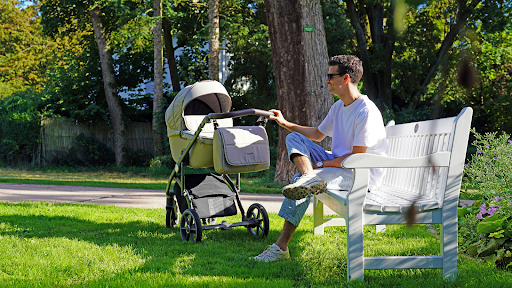
When selecting an adaptive stroller, consider features that enhance comfort and usability for both you and your child. Look for strollers with a UPF canopy to protect against harmful sun exposure, and vent panels or breathable fabrics to keep your child cool. Supportive seating and a secure harness are crucial for safety and comfort, while stable wheels and good suspension ensure a smooth ride over uneven surfaces. Ample storage space is essential for carrying all necessary items, and compatibility with accessories like fans or rain covers can further enhance your outings. By investing in the right stroller, you can significantly improve the quality of your urban adventures with your sensory-sensitive child.