

At A Glance
- Looking to improve your home security? Having multiple door locking types is recommended
- Most doors in the UK can have multiple security locks installed for additional peace of mind
- Layered security is critical, especially for doors that could be considered vulnerable or risky
- Extras such as latch locks, deadbolts and reinforcement places are highly recommended
- For any door that is frequently accessed or potentially high-risk, add extra door locks
In an era where over two hundred thousand break-ins are reported in a calendar year, the quality of your security door locks has never felt more important. Criminals have the means to break through basic locks, so that’s why professionals like those at Locksandhardware.co.uk recommend doubling up.
Having a secondary locking mechanism makes your door more robust. If someone manages to break through the first door lock, they need to then get through a second – or even third – lock type. With so many door locking types out there, though, where do you start? What’s the most useful addition?
Let’s take a look, backed by advice from verified home security professionals at Locks & Handles.
Why Is A Secondary Locking Mechanism Recommended?
As we touched on above, the days of having just a singular lock mechanism to rely upon are over. With the skills and tools most burglars have today, you need more than just a basic door lock with a key.
You need a failsafe in place so that, should a criminal break through your first lock, there are more layers to overcome. Layered security is absolutely critical, especially for doors that are used on a frequent basis or are outward-facing. For example, your external doors – the entrances and exits to your home or business – should have at least two security door locks fitted.
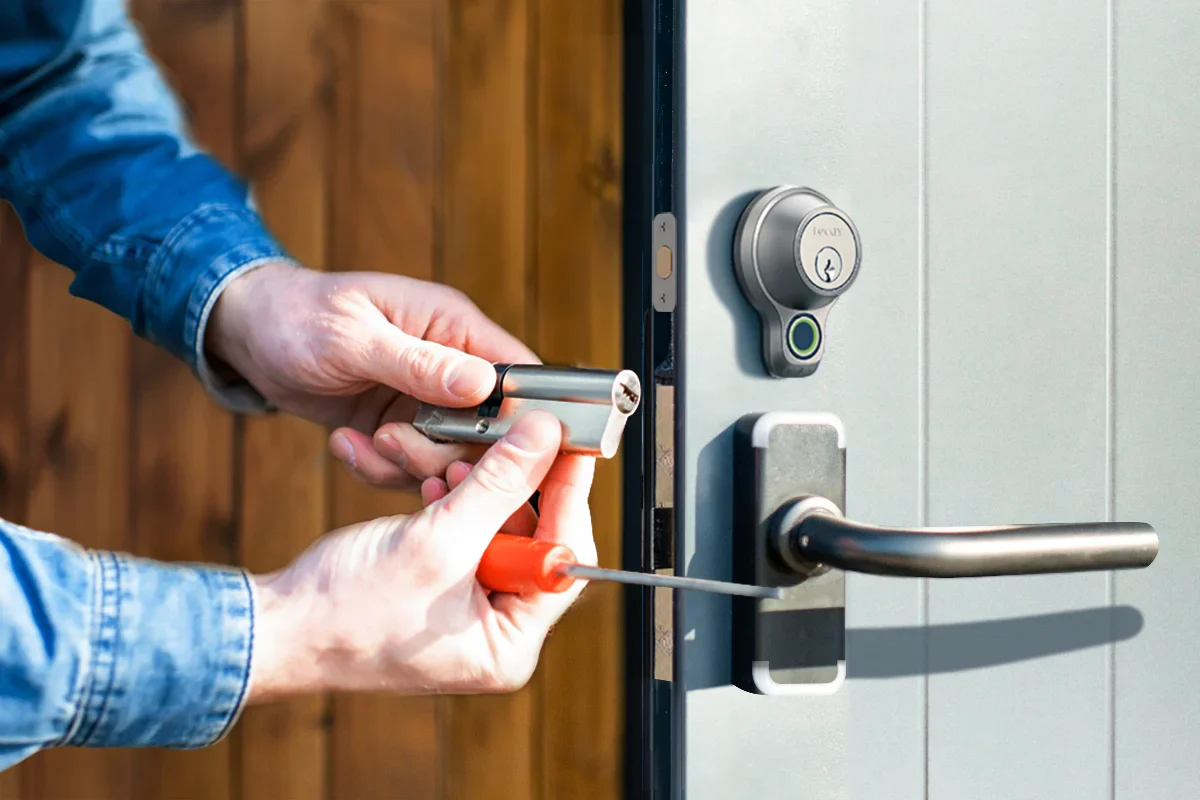
Professional installers recommend having more than one security implement in place. You could have a high-quality British Standards key lock as your starting point. Then, adding extras such as door chains, deadbolts, latch locks and reinforcement plates can make your door much more secure.
Bolts, chains and latch guards would usually not be recommended as your only lock type. However, as secondary locking mechanisms, they make a fantastic extra to include on your door.
Let’s take a quick look at some of the best secondary options for improved door security.
The Best Secondary Locking Options For Door Security
If you shop around online, you’ll find a dizzying variety of security door locks to pick from. Many are ideal primary locks, while some are intended only as secondary locks.
Focusing on the latter, what kind of secondary door locking types should you consider fitting?
Door Bolts
An extra door bolt is a great way to make your door a little more secure. A bolt is usually fitted to the door frame and then to the door itself. These are manually attached and provide physical resistance in the event of someone trying to force your door open.
If you have a bolt added to a door, even if someone unlocks your door lock with key controls, they will not be able to get into your property. The bolt – which can only be disengaged from the inside – would give you valuable time to react in the event of a break-in attempt taking place. They are simple, easy to fit, and highly durable despite their relatively cheap cost.
Door Chains
Similar to the above, a door chain is a great way to add extra security to an internal or external door. We would recommend only using a door chain on its own for internal doors where privacy, as opposed to security, is the concern.
A chain works well as it allows the door to open just enough to see who is outside. That allows you to have a conversation with someone through your door, but also to vet who is on the other side. In the event someone tried to break into your home, the chain would prevent them from forcing the door open. While chains are not invincible, they can take significant physical impact, so they usually stay strong.
Night Latches
A night latch is a great secondary security option. They add extra durability to the latch already on your door, and they also lock behind you when you close the door. To open up a night latch, you would need a key to open it from the outside. On the inside, though, you just use a twist-or-turn knob.
A night latch is a great way to make sure you lock up your door at night. They hold the door shut even if the original lock has been compromised. Though not enough home security on their own, they make great secondary security door locks.
Deadbolt
Like other door bolts, deadbolts are one of the best choices for a secondary layer of security. Deadbolts are thicker, stronger and fit further into the strike plate when you lock the door. Since the bolt is embedded so deeply into the door frame, forcing a deadbolt open is a near impossibility. Deadbolts are a great security door lock to pair with standard locks, adding extra security and protection against forced entry.
Latch Guards
Your door will already have a latch on it, unless you have a very unique door design. Adding a latch guard to your door latch will help to make it less likely that it can be removed, tampered with, or damaged. Most latch guards just go on top of the current latch and add an extra layer of protection and durability. A broken or weakened latch makes entry easy, so latch guards are a great choice.
Reinforcement Plates
Much like a latch guard, reinforcement plates just strengthen the condition and durability of the locks you already have. Most of the time, reinforcement plates help you to keep any weak points secure. Most of the time, reinforcement plates help to resist physical entry, like forcing a door open with a kick or a shoulder. Reinforcement plates are great for filling in gaps and keeping doors stable.
Installing Secondary Locks Is Highly Recommended By Experts
By installing one or several of the above security door locks, you can make your doors much more secure. The more challenging a door is to force open, the less likely a criminal is to even try!
Criminals want easy wins, right? They want to find easy prey. If your doors have a high-quality primary lock paired with secondary implements like the above, you put off most criminals from breaking in. Reinforcing your door with latch guards, deadbolts, night latches, chains and bolts all go a long way to reducing the risk of break-ins being successful.
For any door that is regularly used or is high-risk in terms of being a break-in target, add the above. Do not rely on just one lock type. Upgrade with secondary door locking types and add-ons for peace of mind and reliability.