


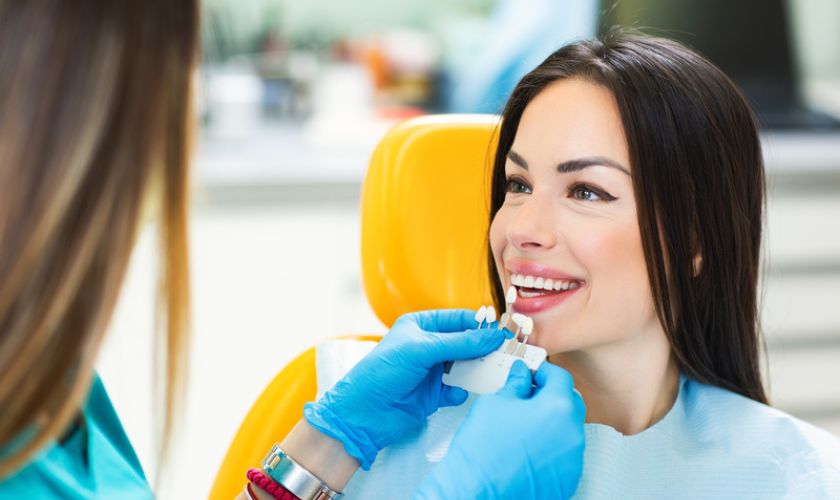
Sensitive teeth can turn simple moments into sharp shocks. You may avoid cold water, hot coffee, or even a steady smile. A family dentist understands this pain. You do not need a perfect smile that hurts. You need care that respects your limits. A dentist in Carmel, IN listens to your story, studies your teeth, and shapes a safe cosmetic plan around you. No copy and paste treatment. Instead, every step protects weak spots, exposed roots, and worn enamel. Each choice aims to lower pain, not hide it. You learn what triggers your sensitivity. You see which cosmetic options fit your mouth, your habits, and your budget. This blog shares five clear ways family dentists adjust whitening, bonding, veneers, and other treatments so you can improve your smile without fear. You deserve beauty that feels calm. You deserve care that puts comfort first.
1. Careful testing before any cosmetic work
First, your dentist checks why your teeth react. Sensitivity has many causes. Common sources include worn enamel, gum loss, tooth decay, cracked teeth, or grinding.
During this step, you can expect three simple checks.
- Cold and air tests on single teeth
- Careful gum exam to find thin or receding spots
- X-rays only when needed to see hidden decay or cracks
The goal is clear. Your dentist finds which teeth can handle cosmetic work and which teeth need repair first. The National Institute of Dental and Craniofacial Research explains that exposed dentin allows cold and heat to reach the nerve and cause pain. Your dentist uses this science during every exam.
Next, you talk about your daily life. You share what you drink, how often you snack, and any grinding or clenching. These details guide safe choices for whitening, bonding, or veneers.
2. Lower strength whitening with smart timing
Whitening often triggers sensitivity. A family dentist changes the strength, time, and method so you still gain a brighter smile without severe pain.
Here are three ways your dentist personalizes whitening.
- Use lower strength whitening gel on sensitive teeth
- Shorten each whitening session and spread visits out
- Place desensitizing gel or fluoride before and after treatment
Your dentist may suggest home trays instead of a single in-office session. Home trays allow shorter, repeated use with built-in breaks. You control how often you whiten. Your dentist checks in and adjusts the plan if you feel more pain.
The table below compares typical whitening choices for sensitive teeth.
| Whitening method | Typical strength | Sensitivity risk | Best use for sensitive teeth
|
|---|---|---|---|
| In office light activated | High | High | Only with strong protection and a very short time |
| Custom home trays | Moderate | Medium | Good option with lower strength gel and rest days |
| Store bought strips | Low to moderate | Unpredictable | Use only under dentist guidance for short periods |
Your dentist helps you avoid rushing. Slow whitening feels safer for teeth that already hurt.
3. Gentle bonding to shield weak spots
Tooth bonding can both improve your smile and reduce pain. The dentist places tooth colored resin over thin enamel, exposed roots, or small chips.
For sensitive teeth, your dentist customizes bonding in three ways.
- Targets only the teeth that hurt or show wear
- Uses soft shaping so no extra tooth structure is removed
- Checks your bite to prevent new pressure on bonded spots
Bonding can cover the exposed root surface that often causes sharp pain when you drink cold water. That surface does not need bleaching. It needs a shield. Your dentist also selects resin shades that match your natural tooth color so the repair blends with nearby teeth.
According to the American Dental Association, sensitivity often links to worn enamel. Bonding gives that enamel a new outer layer. You gain both comfort and a more even smile.
4. Careful veneer and crown choices
Veneers and crowns can change the shape and color of teeth. They also require the removal of some tooth structure. For a sensitive mouth, that step demands careful planning.
Your dentist adjusts veneer and crown plans in three key ways.
- Chooses the least aggressive option first, such as minimal prep veneers
- Protects the inner tooth with strong bonding techniques
- Spaces treatment across visits so your mouth can recover
For teeth with large fillings or deep cracks, a crown may protect the tooth better than a veneer. For less damaged teeth, a thin veneer can improve color and shape with less drilling. Your dentist weighs these choices with you. The goal is clear protection of the nerve inside the tooth.
During the bite check, your dentist uses thin paper to see where your teeth hit. Small high spots can create steady pressure and new sensitivity. Careful adjustment at this stage prevents new pain later.
5. Ongoing protection between visits
Customization does not stop when you leave the chair. Your daily choices affect how your teeth handle cosmetic work.
Your dentist builds a home plan that often includes three parts.
- A fluoride or potassium nitrate toothpaste for sensitive teeth
- A soft brush and gentle brushing method at the gumline
- A night guard if you grind or clench
These steps lower triggers that inflame the nerves inside your teeth. Less grinding. Less acid from snacks and drinks. Less harsh brushing at the gumline. Each change supports your cosmetic work and stretches its life.
You also learn which habits to limit. These often include sipping acidic drinks, chewing ice, or using teeth as tools. Your dentist may suggest shorter whitening touch-ups or longer gaps between sessions to keep sensitivity under control.
Moving toward a calmer smile
Sensitive teeth do not block you from cosmetic care. They call for slow, thoughtful steps. With a careful exam, gentler whitening, targeted bonding, smart veneer and crown choices, and a strong home plan, you can shape a smile that feels steady and looks clean.
You do not have to trade comfort for change. With the right family dentist, every choice respects your pain, your story, and your limits.