

Have you ever wondered why that $15 lipstick sometimes costs more to ship than the product itself? If you’re running an e-commerce business, you know the answer all too well. The final leg of the journey—the “last mile”—is notoriously inefficient, expensive, and prone to delays. In fact, industry data from 2025 suggests that reducing last mile delivery costs is now the #1 priority for 85% of retail shippers.
As we move through 2026, the stakes have never been higher. Last mile delivery optimization is no longer just a “nice-to-have” feature; it is a survival requirement. Whether you are battling urban traffic or the vast distances of rural routes, managing the Reducing Final Mile Delivery Costs challenge requires a blend of logistical expertise and cutting-edge technology.
In this guide, we will dive into five proven strategies to streamline your operations, protect your margins, and keep your customers coming back for more.
1. Implement AI-Powered Route Optimization
The days of manual dispatching are officially over. In 2026, the most effective way to handle reducing last mile delivery costs is through Artificial Intelligence. Traditional routing software followed static paths, but modern AI analyzes real-time variables like traffic surges, weather shifts, and even the “parking difficulty” of specific urban blocks.
The Impact of Dynamic Rerouting
By using AI, carriers can achieve last mile delivery optimization by reducing idling time and fuel consumption. Research indicates that AI-driven routing can reduce fuel usage by up to 15% and cut delivery delays by 28%. This isn’t just about speed; it’s about reducing final mile delivery costs by ensuring every mile driven is productive.
- Fuel Savings: Minimizing “empty miles” between stops.
- Driver Efficiency: Completing more drops per hour without increasing stress.
- Real-time Visibility: Giving customers accurate ETAs, which reduces “where is my order?” calls.
2. Leverage Micro-Fulfillment Centers (MFCs)
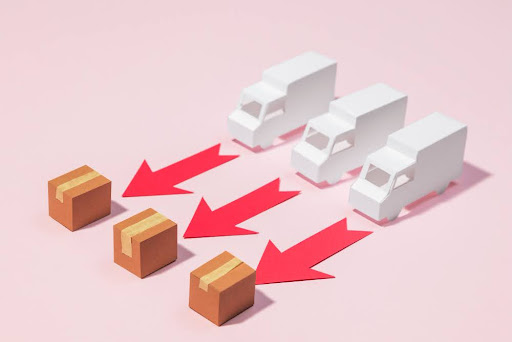
One of the biggest reasons for high reducing final mile delivery costs is the distance between the warehouse and the customer. To solve this, many brands are moving inventory closer to the “point of demand” using Micro-Fulfillment Centers.
Bringing the Warehouse to the City
MFCs are small, often automated storage hubs located in dense urban areas or even in the back of existing retail stores. By shifting inventory closer to the customer, you fundamentally change the math of the last mile.
| Metric | Traditional Warehouse | Micro-Fulfillment Center |
| Average Delivery Distance | 20–50 Miles | 1–5 Miles |
| Delivery Vehicle | Large Vans/Trucks | E-bikes, Robots, Small EVs |
| Cost Per Package | ~$10.00 | ~$3.50 – $5.00 |
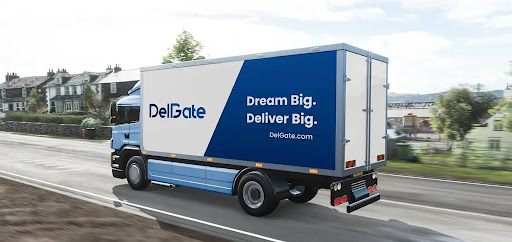
By using last mile delivery optimization through MFCs, companies like DelGate—the leading last mile carrier in Canada—can offer rapid turnaround times that were previously impossible for smaller retailers.
3. Reduce Failed Delivery Attempts
Did you know that a single failed delivery can cost a retailer nearly $18? When a driver has to return to a location for a second or third attempt, the profit margin on that order virtually vanishes.
Improving First-Attempt Success
To lower the reducing last mile delivery costs, you must improve the communication loop.
- Precise Delivery Windows: Instead of “Between 9 AM and 5 PM,” offer 2-hour slots.
- Customer-Managed Redirects: Allow customers to change the drop-off point to a neighbor or a secure locker while the driver is en route.
- Proof of Delivery (PoD): Use digital signatures and photos to prevent “lost package” claims, which are a hidden drain on revenue.
4. Embrace Sustainable and Autonomous Tech
Sustainability is no longer just a PR move; it’s a cost-saving strategy. In 2026, electric vehicle (EV) fleets are proving to have a lower total cost of ownership than internal combustion engines due to reduced maintenance and volatile fuel prices.
Drones and Delivery Robots
While still in the growth phase, autonomous delivery robots are becoming common in “geofenced” areas like university campuses and corporate parks. These bots handle the “ultra-short” last mile, freeing up human drivers for more complex, high-volume routes. According to Statista, the autonomous last-mile market is projected to reach nearly $5 billion by 2030, highlighting its role in reducing final mile delivery costs.
Expert Insight: “The most successful logistics operations in 2026 don’t just use one mode of transport. They use a hybrid model: heavy vans for suburbs, e-bikes for city centers, and lockers for high-density apartments.”
5. Partner with Specialized Last Mile Carriers
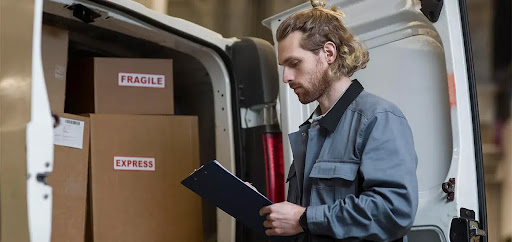
Sometimes, the best way to reduce costs is to stop doing it all yourself. Managing a private fleet is expensive—from insurance to driver retention. Partnering with a specialized provider like DelGate allows you to tap into an established network that already has the density required for low-cost shipping.
Why Choose a Partner?
Specialized carriers offer last mile delivery optimization by “batching” deliveries from multiple retailers into a single neighborhood. This density is the “holy grail” of logistics; the more packages a driver can drop on a single street, the lower the cost for every business involved.
Conclusion: The Path to Profitable Delivery
Reducing final mile delivery costs is a marathon, not a sprint. By combining AI technology, localized fulfillment, and strategic partnerships, you can transform your logistics from a cost center into a competitive advantage. Remember, today’s consumers value reliability over raw speed—if you can deliver exactly when you say you will, without breaking the bank, you’ve already won.
Would you like me to create a customized delivery cost audit checklist for your specific business model?
FAQs About Reducing Final Mile Delivery Costs
What is the most expensive part of the last mile?
Labor and fuel are the primary drivers, often making up 60% of the total last-mile expense. Inefficient routing and failed delivery attempts further inflate these costs, making technology-driven optimization essential for maintaining profitability.
How does route optimization help save money?
It reduces the total mileage driven and minimizes vehicle idling in traffic, directly lowering fuel costs. Additionally, it increases “stop density,” allowing drivers to complete more deliveries in a single shift without increasing labor hours.
Can small businesses afford last mile technology?
Yes, many modern SaaS platforms offer “pay-per-delivery” pricing models that make advanced routing and tracking accessible to small businesses. Partnering with a carrier like DelGate also provides access to high-end tech without the upfront investment.
Why are failed deliveries so costly?
A failed delivery requires double the labor, double the fuel, and often involves additional customer service time to resolve the issue. In many cases, the cost of two delivery attempts exceeds the entire profit margin of the product being sold.
Is green delivery actually cheaper?
In the long run, yes. While the initial investment in EVs or e-bikes is higher, the “cost per mile” is significantly lower due to cheaper electricity and fewer mechanical parts that require maintenance compared to gas-powered vans.