


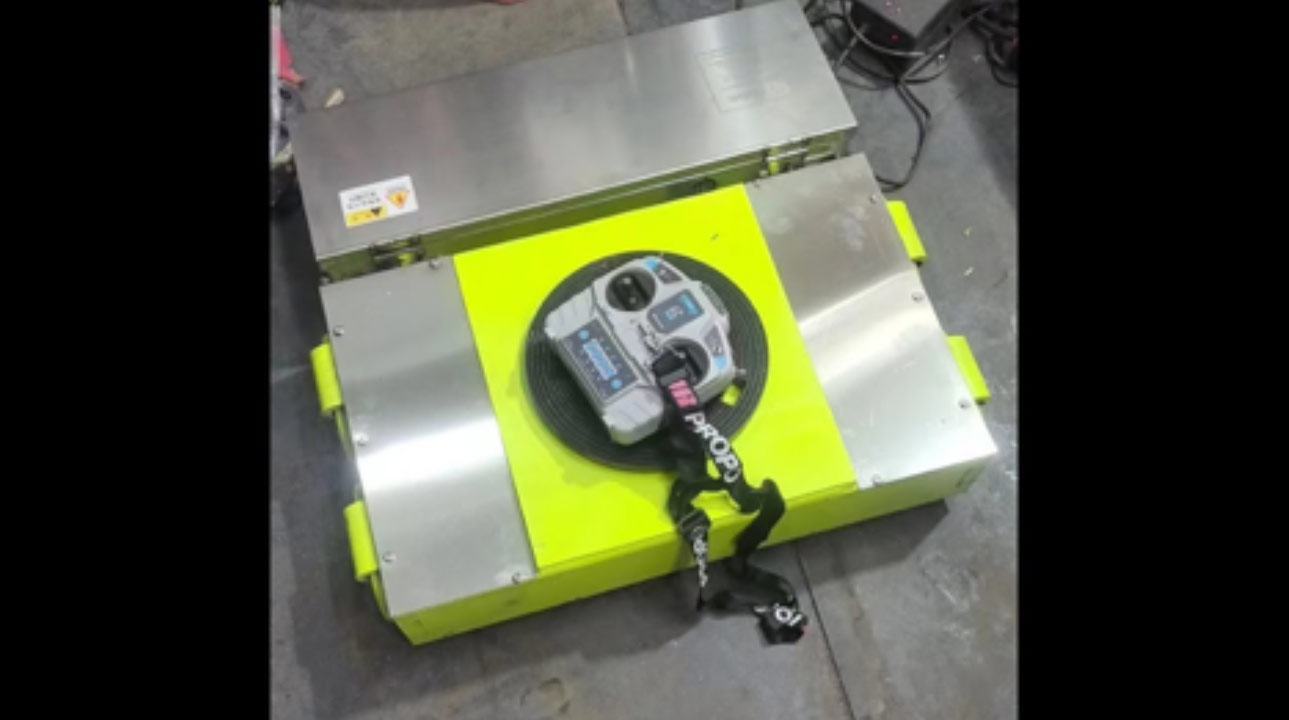
Picking the right capacity for your battery powered machine skates is key to safe and efficient work. These tools move heavy loads, such as machinery, equipment, or parts, in factories and warehouses. Capacities range from 10 tons (10T) to 100 tons (100T). Choosing wrong can lead to overload, damage, or safety risks. This article walks you through how to select the best one step by step. We focus on real factors like load weight, work conditions, and features.
Know Your Load Weight First
Start with the weight of what you need to move. Weigh the load or check its specs. Add extra for any parts, tools, or safety margin. Many experts suggest a 50% buffer on the rated capacity for real-world use. Uneven floors, slight slopes, or starts and stops add stress.
For example, if your load is 8 tons, a 10T skate might work with a good margin. But for 18 tons, go for at least 25T or 30T. Higher capacities, such as 50T, 80T, or 100T, handle large items, such as large presses or transformers. Always pick a model rated higher than your actual load to stay safe and extend tool life.
Understand How Capacity Affects Size and Power
Higher capacity skates are bigger and stronger. Lower ones, like 10T or 20T, are smaller, lighter, and easier to handle. They often use smaller motors (around 400W to 750W per motor) and batteries (30Ah to 60Ah). These suit indoor jobs or lighter machinery.
As capacity goes up, so do the motors and batteries. For 35T or 50T, you see 1500W or 2000W motors and 120Ah batteries. This gives more power for heavier loads and longer run times under stress. At 80T or 100T, the skates get larger dimensions, thicker frames, and bigger wheels to spread weight and reduce pressure on floors.
Larger models also handle slight slopes better, often up to 15 degrees. Smaller ones may struggle more on any incline. Check the specs for each model to match your needs.
Consider Your Work Environment
Think about where you use the skates. Indoor smooth floors work well with any capacity, but rough or outdoor surfaces need higher-rated ones. Manufacturers recommend extra margin for non-ideal conditions to avoid wheel damage or tipping.
For tight spaces, smaller 10T–25T models maneuver more easily. They have a lower height and a smaller turning radius. Larger 50T–100T ones need more room but can move huge loads with one operator using remote control.
Battery life matters too. Most use 48V lithium batteries that last 4–8 hours, depending on load. Higher-capacity skates often have bigger batteries for sustained heavy work.
Match Capacity to Your Setup
Most battery-powered skates use a set: one powered front skate for steering and drive, plus two or more rear non-powered follower skates. The total capacity comes from the whole set.
For lighter loads (10T–30T), a basic set works fine. For 50T or more, you may need reinforced followers or more units to share weight evenly. Always connect them properly with bars if needed.
Check the wheel type too. Polyurethane wheels are common—they are tough, don’t mark floors, and handle heavy loads. Larger capacities use bigger wheels to bridge small gaps or bumps.
Compare Features Across Capacities
Here is a quick look at the differences:
- 10T–20T: Compact size, lighter weight (around 85–137 kg), smaller motors and batteries. Good for frequent small moves. Speed up to 6m/min.
- 25T–35T: Medium size, stronger motors (1000W+), bigger batteries. Better for mid-weight machinery.
- 50T–80T: Larger frame, high-power motors (2000W+), 120Ah batteries. Built for big industrial jobs with longer durability.
- 100T: Top end, max strength, often custom. Handles extreme loads but needs careful planning.
All come with a remote control for safe distance operation, forward/reverse, and steering.
Factor in Cost and Long-Term Use
Higher capacity skates cost more due to stronger parts and bigger batteries. But they last longer under heavy use and reduce downtime. Lower ones save money if your loads stay small.
Look for warranties—one year is common. Good brands offer support and spare parts. Customization, like color or logo, is possible too.
For reliable options, visit https://cargotrolley.com/ to see full ranges and details.
Make the Final Choice
To sum up, match capacity to your load weight with a safety margin. Consider environment, size needs, power, and features. Test in your space if possible. Get training on use and maintenance. When you purchase Finer’s battery-powered machine skates, we will provide comprehensive technical support.
Choosing right means safer moves, less wear, and better results. Start by listing your load details and conditions, then pick from 10T to 100T based on facts. This way, you get the best tool for the job.