


In the rapidly evolving digital landscape, accessibility, convenience, and automation have become essential elements of modern communication. One technology that perfectly aligns with these needs is text to speech. Text to speech, often abbreviated as TTS, is a powerful system that converts written text into spoken words using artificial intelligence and speech synthesis. From improving accessibility for people with disabilities to enhancing productivity for professionals and creators, text to speech has become an indispensable tool across multiple industries.
What Is Text to Speech?
Text to speech is a technology that takes digital text—such as articles, documents, emails, or scripts—and converts it into audible speech. Using advanced algorithms and AI-powered voice engines, modern text to speech systems can generate natural-sounding voices that closely resemble human speech. Unlike early robotic-sounding systems, today’s text to speech tools offer realistic pronunciation, tone variation, and emotional nuance, making them suitable for both professional and personal use.
How Text to Speech Technology Works
Text to speech systems operate through a multi-step process. First, the software analyzes the written text and breaks it into linguistic components such as sentences, words, and phonemes. Then, it applies pronunciation rules and language models to determine how each word should sound. Finally, the system uses speech synthesis to generate audio output. Modern AI-based text to speech engines rely on deep learning and neural networks, allowing voices to sound smoother, more expressive, and more human-like than ever before.
The Growing Importance of Text to Speech
The popularity of text to speech has surged due to its ability to make content more accessible and engaging. With millions of people worldwide experiencing visual impairments, reading difficulties, or learning disabilities, text to speech provides an inclusive way to consume information. Additionally, the rise of multitasking culture has increased demand for audio content, allowing users to listen to articles, reports, or books while driving, exercising, or working.
Common Uses of Text to Speech
Text to speech is used across a wide range of applications and industries. In education, students use TTS tools to improve comprehension and pronunciation, while teachers use them to create engaging learning materials. Content creators rely on text to speech for YouTube videos, podcasts, audiobooks, and social media reels. Businesses use text to speech for customer support systems, virtual assistants, and training materials. Even mobile apps and smart devices use text to speech to deliver notifications, directions, and reminders.
Benefits of Using Text to Speech
One of the biggest advantages of text to speech is improved accessibility. It ensures that information is available to everyone, regardless of physical or cognitive limitations. Another key benefit is time efficiency. Instead of manually recording voiceovers, creators can instantly generate audio content from text. Text to speech also enhances productivity by allowing users to consume information passively. Additionally, it offers consistency in tone and pronunciation, which is especially useful for brands and organizations that require uniform messaging.
Text to Speech for Content Creation and Marketing
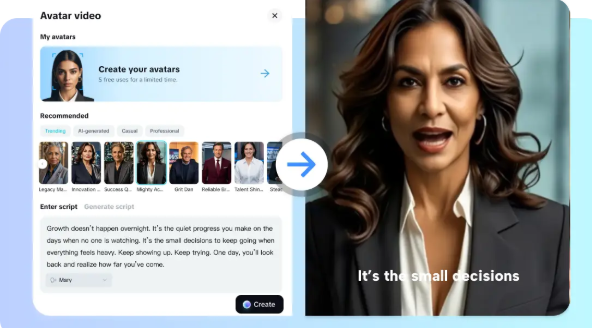
In digital marketing and content creation, text to speech has become a valuable asset. Marketers use TTS to produce explainer videos, product demos, and advertisements without hiring voice actors. Bloggers convert written posts into audio versions to reach a wider audience. Social media creators use text to speech voices to maintain anonymity while producing engaging short-form videos. When combined with visuals, text to speech helps create compelling multimedia content that increases engagement and retention.
SEO and Engagement Benefits of Text to Speech
Text to speech can indirectly boost SEO performance by improving user experience. Websites that offer audio versions of content often see increased time-on-page and reduced bounce rates, both of which are positive signals for search engines. Audio content also caters to different learning styles, making your website more inclusive and user-friendly. When paired with structured data and optimized content, text to speech enhances overall content visibility and engagement.
Text to Speech and Artificial Intelligence
Artificial intelligence has played a major role in advancing text to speech technology. AI-powered voices can now mimic human speech patterns, accents, and emotions with remarkable accuracy. Some advanced systems even allow voice customization, enabling users to adjust pitch, speed, and tone. As AI continues to evolve, text to speech is expected to become even more natural, expressive, and adaptable across languages and cultures.
Choosing the Right Text to Speech Solution

Selecting the best text to speech tool depends on your needs. Factors to consider include voice quality, language support, customization options, and output formats. For professional use, high-quality neural voices and commercial usage rights are essential. For personal or educational use, ease of use and accessibility features may be more important. Testing different tools helps ensure the selected text to speech solution aligns with your goals.
The Future of Text to Speech Technology
The future of text to speech is incredibly promising. As AI models become more sophisticated, TTS voices will continue to sound more natural and emotionally expressive. Real-time speech generation, multilingual support, and personalized voice cloning are expected to become more mainstream. Text to speech will also play a critical role in virtual reality, augmented reality, and conversational AI experiences, further integrating audio into digital interactions.
Final Thoughts
Text to speech has transformed the way people interact with written content. By converting text into natural-sounding audio, it improves accessibility, boosts productivity, and enhances user engagement. Whether used for education, content creation, marketing, or accessibility, text to speech offers a flexible and efficient solution for modern communication needs. As technology continues to advance, text to speech will remain a vital tool for making information more inclusive, engaging, and accessible to everyone.