


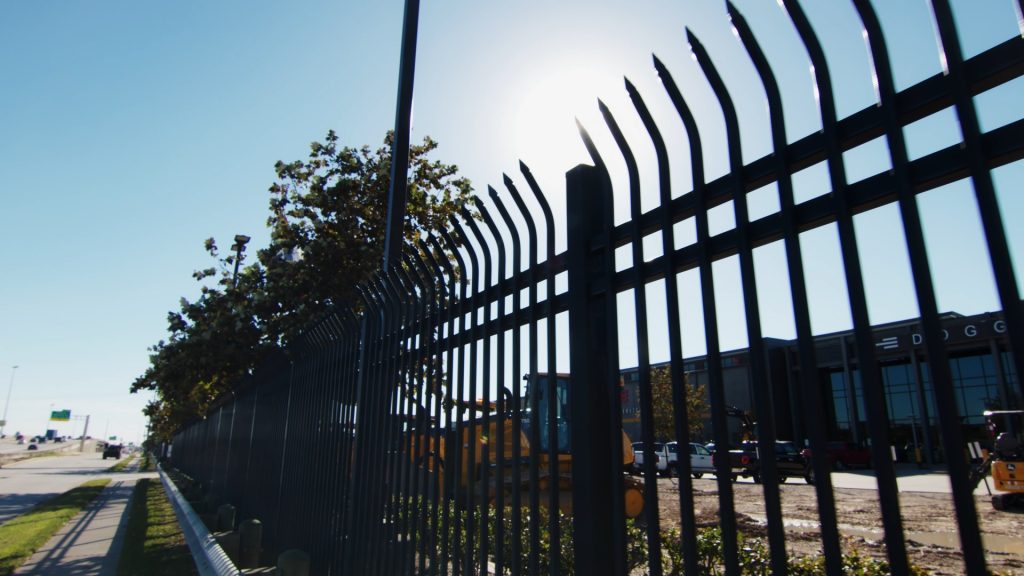
Fences have been part of human spaces for centuries, and despite changes in architecture and lifestyle, their importance hasn’t faded. In fact, modern fencing has become more versatile than ever, serving practical, aesthetic, and even environmental purposes. Whether for homes, businesses, or public areas, fences continue to shape how we use and experience outdoor spaces.
Defining Space and Creating Structure
One of the primary uses of a fence is to define boundaries. Clearly marked borders help avoid disputes, establish ownership, and bring a sense of order to a property. In residential settings, fences separate private areas from public view, while in commercial environments they control access and protect assets.
Fences also help structure outdoor spaces. Gardens, patios, parking areas, and play zones can be visually and physically separated, making properties easier to navigate and more functional overall. This sense of structure is especially useful in larger plots where different areas serve different purposes.
Privacy Without Isolation
Privacy is a major reason people invest in fencing, particularly in urban or suburban areas. A well-designed fence creates a personal retreat, allowing homeowners to enjoy their outdoor areas without feeling overlooked by neighbors or passersby.
Modern designs such as Slatted Fence Panels have become increasingly popular because they strike a balance between privacy and openness. The spacing between slats allows light and air to pass through while still limiting direct visibility. This makes them ideal for gardens and patios where a closed-in feeling would be undesirable.
Enhancing Visual Appeal
Fences are no longer purely functional structures. Today, they play a key role in a property’s overall appearance. The right fence can complement architectural styles, highlight landscaping, and improve curb appeal.
Materials, colors, and layouts all contribute to how a fence looks and feels. Contemporary fencing styles often favor clean lines and minimalist designs, while traditional properties may benefit from classic timber or decorative metal fencing. When chosen thoughtfully, a fence can become a design feature rather than just a boundary.
Safety and Security
Security is another crucial function of fencing. For homeowners, fences act as a deterrent against trespassing and help keep children and pets safely contained. For businesses, fencing protects equipment, stock, and buildings from unauthorized access.
The level of security needed depends on the environment, but effective Fencing always considers height, strength, and access points. Gates, locks, and reinforced materials add additional layers of protection while still maintaining a professional or welcoming appearance.
Durability and Long-Term Value
Advancements in materials and construction methods have made modern fences more durable than ever. Treated timber, metal, and composite options are designed to withstand weather conditions, pests, and daily wear. This means less maintenance and a longer lifespan compared to older fencing solutions.
A quality fence is also a long-term investment. It can increase property value by improving appearance, usability, and security. Prospective buyers often see a well-maintained fence as a sign that a property has been cared for, which can positively influence purchasing decisions.
Environmental and Practical Benefit
Fences can provide environmental benefits as well. They can act as wind barriers, protect plants from damage, and reduce soil erosion in exposed areas. In rural or semi-rural settings, fencing is essential for managing animals and protecting crops.
From a practical standpoint, fences help manage movement. They guide foot traffic, protect sensitive areas, and create safe zones in shared spaces such as parks or commercial premises.
Choosing the Right Fence
Selecting the right fence involves considering purpose, location, and design preferences. A fence intended for privacy will differ greatly from one designed for decoration or security. Understanding these needs before installation helps ensure the fence performs well and looks appropriate for the space.
Professional advice can make a significant difference, particularly when dealing with complex layouts or specific requirements. Proper installation is just as important as material choice, as it directly affects durability and performance.
A Lasting Feature in Any Space
Fences remain an essential part of modern environments because they combine function with form. They define space, enhance safety, support privacy, and contribute to the overall character of a property. With today’s wide range of styles and materials, it’s easier than ever to find a fencing solution that meets practical needs while still looking great.
When planned carefully, a fence becomes more than a boundary—it becomes a lasting feature that adds comfort, value, and structure to any space.