


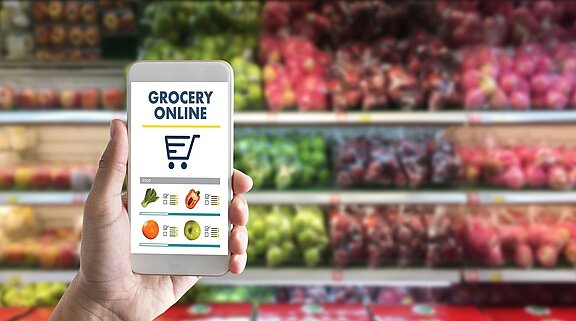
Grocery shopping in the UK used to be largely predictable. Even when international items were available, they were typically limited to “continental” shelves – safe, generic versions of European staples designed for broad appeal. But something has changed. British consumers have become more curious, more food literate, and far more willing to explore ingredients that feel authentic rather than approximations. That shift has coincided with the rise of online grocery shopping, which is rapidly transforming not only how people buy food, but also what they cook at home.
Online grocery stores are no longer simply a convenient alternative to supermarkets. They’ve become gateways into regional food cultures. Instead of choosing between two olive oils or one imported cheese option, shoppers can explore varieties defined by origin, tradition, and distinct flavour profiles. This evolution is especially significant for European foods, where regional identity matters deeply. The difference between a product from Provence and one from Normandy isn’t just branding – it’s climate, local farming history, and culinary tradition.
What “regional European food” really means
To understand this trend, it helps to define what regional European food actually is. It’s not simply food that comes from Europe. It’s food that represents a specific place within Europe, with characteristics shaped by geography, customs, and heritage. These products often follow traditional methods or are strongly associated with a region’s identity.
Think of how cheese varies from one valley to the next in France, or how Italian pasta sauces change as you move from coastal regions inland. Regional foods reflect local ingredients and centuries of cooking logic. They’re often tied to small producers, protected recipes, or seasonal traditions. Even packaged items – like biscuits, preserves, or pâtés – can carry that sense of place when made according to established cultural norms.
In a world where many foods are engineered for global uniformity, regional European products offer something increasingly rare: personality.
Why UK consumers are leaning into authenticity
There are several forces behind the UK’s growing interest in regional European foods, but the biggest one is authenticity. People want the real thing – not a simplified, supermarket-friendly adaptation. Travel has had a major influence here. Many shoppers have tasted something abroad – an apricot jam in southern France, a smoky paprika spread in Spain, an Italian biscuit with espresso – and want to recreate that experience at home.
But there’s more to it than nostalgia. Authentic products often deliver stronger flavour, better textures, and higher ingredient quality. They also feel meaningful. For modern consumers, food is identity: what you cook reflects your lifestyle, your taste, and often your values. Regional food fits perfectly into this mindset because it’s rooted in story and heritage rather than pure convenience.
How online grocery stores solve the “access” problem
Even as demand grows, physical supermarkets face unavoidable limits. Shelf space is expensive, and stock decisions are driven by speed of turnover. That means niche products – the ones that define true regional cuisine – often can’t justify their place in-store.
Online grocery stores break that limitation entirely. They can stock a much wider variety of products, including those with smaller audiences. They can also organise products in more meaningful ways: by origin, by category, by cuisine, by dietary preference, or by seasonal theme. This makes it easier for shoppers to discover new regional staples without having to already know what they’re looking for.
For example, a British shopper interested in “French pantry items” might find not only common products like Dijon mustard, but also regional terrines, chestnut-based spreads, rustic biscuits, or traditional slow-cooked meal components. This deeper access turns shopping into exploration.
It’s also where curated European-focused platforms such as EuropaFoodXB naturally fit into the evolving landscape – less as a “shop,” and more as a gateway to discovering foods tied to regional European identity.
Digital shopping encourages better cooking habits
There’s another interesting effect online grocery stores have on food culture: they tend to make people better cooks. Not necessarily in a technical sense, but in a decision-making sense. Online shopping encourages planning. People are more likely to build meals intentionally rather than impulse-buying. They search for ingredients with purpose, compare options, and often read descriptions before buying.
That leads to more thoughtful cooking. Instead of defaulting to the same weeknight meals, consumers explore themes: a Mediterranean-inspired dinner week, a French-style breakfast weekend, or a winter comfort-food cooking project. Over time, these small changes broaden skill and confidence in the kitchen. They also encourage consumers to try new ingredients – especially those that belong to specific European traditions.
The types of regional European foods trending in UK households
The UK’s evolving European pantry tends to revolve around a few major categories:
- European breakfast culture has grown dramatically. Biscuits, rusks, spreads, and coffee-pairing snacks are now part of many British morning routines.
- Preserves and spreads are another major growth category, partly because they’re easy to introduce. A jar of jam or fruit spread can instantly transport someone into a different culinary culture.
- Traditional comfort foods are trending strongly, especially slow-cooked regional meals that can be stocked in pantry form and used when needed.
- Snack culture is also evolving. Instead of generic crisps and sweets, more consumers reach for European-style bakery snacks, artisanal chocolates, and regionally inspired biscuits.
What connects all these categories is that online access allows consumers to go beyond “international” and into a specific regional identity.
How this trend helps preserve culinary heritage
The most meaningful part of the online grocery shift may be cultural preservation. Regional European foods carry traditions that risk fading under industrial pressure. When online grocery platforms create demand for traditional products, they help keep these traditions alive – not as museum pieces, but as living, evolving parts of daily life.
This matters because culinary heritage is not just about taste. It’s about safeguarding food diversity, supporting artisan producers, and keeping regional identities intact. The more consumers seek authentic regional foods, the more those foods remain relevant.
Conclusion
Online grocery shopping has changed what is possible in the UK kitchen. It has shifted European food from “special occasion” to “daily lifestyle,” allowing more people to access authentic ingredients tied to real places and traditions. As a result, British cooking is becoming broader, more adventurous, and more connected to Europe – not through imitation, but through real culinary participation. In the coming years, online grocery discovery will likely remain one of the biggest forces reshaping UK food culture.