

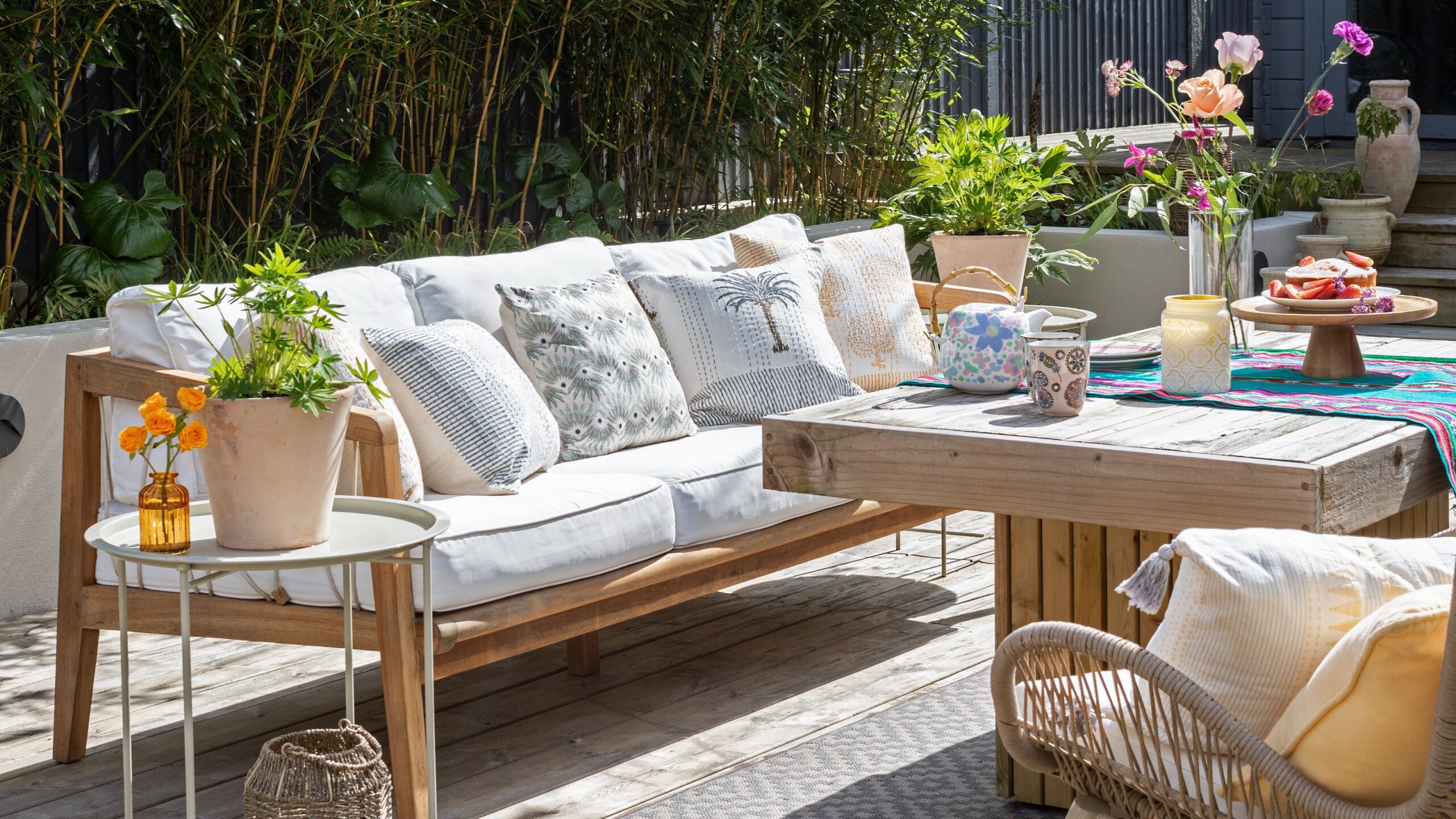
Choosing garden furniture in the UK feels like it should be simple, doesn’t it? Pick something that looks nice, stick it outside, job done. But then you’re sitting there on a drizzly May evening, your supposedly weatherproof cushions are soaked through, and that metal chair is cutting into your back. Suddenly you’re wondering why you didn’t do a bit more homework before clicking “buy now.”
I learned this lesson the expensive way. My first garden furniture purchase was based entirely on how it looked in the photos, this gorgeous rattan set that seemed perfect for lazy Sunday brunches. Three months later, the synthetic material had faded to a weird patchy grey, one chair leg had cracked, and sitting on it for more than twenty minutes was genuinely uncomfortable. Comfort and durability weren’t just nice extras, they were absolutely essential, and I’d completely overlooked both.
Understanding What Durability Actually Means
When retailers talk about durable garden furniture UK options, they’re really talking about how well the pieces stand up to our notoriously unpredictable weather. We’ve got rain, wind, occasional scorching heat, frost, damp, you name it. British gardens throw everything at outdoor furniture across the seasons.
Genuine durability comes from three things: quality materials, proper construction, and appropriate treatment. A cheap set might survive one summer but start falling apart by autumn. Quality furniture should handle at least five to ten years of outdoor life, often much longer with reasonable care.
Look for furniture with rust-resistant fixings, not just rust-resistant frames. I’ve seen countless sets where the frame is fine but the screws and bolts have corroded, making the whole thing unstable. Stainless steel or galvanised fixings are what you want. Check product specifications carefully because this detail often gets buried in the small print.
Weather-resistant doesn’t mean weatherproof, by the way. It means the furniture can handle exposure but will last longer with some protection. Truly weatherproof furniture that can stay outside uncovered all year is rare and usually expensive. Most garden furniture sets UK retailers stock benefit from covers during winter or at least being moved under shelter.
Materials That Actually Last
Let’s break down the main materials you’ll encounter and what they really offer in terms of longevity and comfort.
Hardwood Furniture
Teak, eucalyptus, acacia and oak are your go-to hardwoods. Teak is the king of durability, honestly. It’s got natural oils that repel water and resist rot, which is why it’s used on yacht decks. A quality teak set will last 25 to 30 years easily, developing that attractive silver-grey patina over time. The downside? It’s expensive, properly expensive.
Acacia offers brilliant value for hardwood. It’s dense, durable and naturally resistant to decay. Needs oiling annually to maintain its colour and protection, but if you’re prepared for that bit of maintenance, it’ll serve you well for a decade or more. My sister’s acacia dining set is going strong after seven years and still looks great.
Eucalyptus sits somewhere between teak and acacia in terms of both price and durability. It’s sustainably grown, which is a bonus if environmental concerns matter to you, and it’s naturally pest-resistant. A solid choice for the middle-ground buyer.
Rattan Garden Furniture UK
Synthetic rattan, also called resin wicker or PE rattan, has become hugely popular and for good reason. Quality synthetic rattan is UV-resistant, weatherproof and remarkably durable. The weave doesn’t fade or crack like cheap versions, and it’s comfortable without cushions, though obviously better with them.
The catch is quality varies enormously. Premium rattan garden furniture UK brands use thick, hand-woven strands over powder-coated aluminium frames. Budget versions use thin, machine-woven plastic over cheap steel frames that rust. You genuinely get what you pay for here.
Check the rattan thickness in specifications. Anything above 1.2mm is decent quality. Look at how it’s woven too, hand-woven furniture has irregular, natural-looking patterns whilst machine-woven tends to look very uniform and can unravel more easily.
Metal Furniture
Aluminium is lightweight, rust-proof and low maintenance. Perfect if you like moving furniture around or need to store it easily. It doesn’t have the heft that some people prefer but modern designs have addressed the lightweight feel with better proportions and weighted bases.
Steel furniture, powder-coated or not, needs careful consideration. Quality powder coating provides excellent protection, but any chips or scratches expose the metal underneath to rust. In coastal areas or particularly damp gardens, steel requires more maintenance than other materials. That said, cast aluminium furniture with quality finishes can last decades and has a substantial, premium feel.
Wrought iron looks gorgeous but it’s heavy and needs regular maintenance to prevent rust. Unless you’re committed to annual treatments and touch-ups, it’s probably more hassle than it’s worth for most people.
Comfort Considerations People Overlook
Durability means nothing if you don’t want to actually sit on the furniture. Comfort is subjective obviously, but there are objective factors that affect how pleasant furniture is to use.
Seat Depth and Height
Standard dining chairs have a seat height of about 45cm, which works for most people at a standard table height. Too low and you’ll struggle to get up, too high and your feet won’t touch the ground comfortably. Seat depth matters just as much, too shallow feels perching and unstable, too deep makes it hard to sit back properly.
Lounge furniture should be lower, around 35 to 40cm seat height, encouraging that relaxed posture. But if you have mobility issues or prefer easier standing, look for higher seating options even in lounge sets.
Back Support
A gorgeous chair that gives you backache after twenty minutes isn’t actually gorgeous. Look for designs with proper lumbar support, a slight curve in the lower back area. Vertical slats should be narrow enough to support your back without gaps that let you slump backwards.
Recliners and loungers need to support your entire back and neck. Test the recline mechanism if possible, it should move smoothly and lock securely at different angles. Cheap mechanisms stick or slip, which is both annoying and potentially unsafe.
Armrest Height
Armrests should allow your shoulders to relax naturally, not be hunched up or stretched down. They should also be wide enough to rest your forearms comfortably. Narrow armrests that dig into your elbows are surprisingly common on cheaper furniture and become uncomfortable quickly.
Cushions and Upholstery
Most garden furniture sets UK options come with cushions, but the quality varies massively. Proper outdoor cushions use quick-dry foam that doesn’t stay soggy after rain, covered in UV-resistant, water-repellent fabric. Budget cushions use standard foam that holds water like a sponge and fabric that fades within a season.
Check if cushions are included or sold separately. Some seemingly cheaper sets work out more expensive once you’ve bought the cushions you actually need. Look for removable, washable covers, you’ll definitely want to clean them over the season.
Cushion storage matters too. Even “weatherproof” cushions last longer if stored when not in use. If you don’t have indoor storage space, consider furniture with integrated storage boxes or invest in a waterproof storage unit. Repeatedly hauling cushions in and out gets old fast, trust me on this.
Frame Construction Details
Flip furniture over or look at underside photos. How are pieces joined? Quality furniture uses proper joinery like mortise and tenon for wood, or welded joints for metal. Screws and bolts are fine for assembly but shouldn’t be the primary structural support.
Check weight limits if you’re looking at loungers or benches. Reputable manufacturers list maximum weights, typically 120 to 150kg for chairs. If weight limits aren’t mentioned, that’s concerning, it suggests the manufacturer isn’t confident about structural integrity.
Finding Garden Furniture Sale UK Deals
Sales happen predictably in the garden furniture world. End of season sales in September and October offer genuine discounts as retailers clear space for next year’s stock. You’re buying off-season but if you’ve got storage, you can save 30% to 50% easily.
January sales can be brilliant too, though selection is often limited to leftover stock. Spring sales in March and April are common but discounts tend to be smaller, typically 10% to 20%, because demand is ramping up.
Black Friday has become massive for garden furniture. The deals can be excellent but you need to verify prices haven’t been inflated beforehand. Use price tracking tools or check historical prices before assuming a discount is genuine.
Matching Furniture to Your Garden Use
Think about how you’ll actually use your garden. If you’re hosting regular dinner parties, invest in a quality dining set rather than spreading your budget across multiple furniture types. If you’re more about solo reading and coffee, a comfortable lounger and small side table matter more than a six-seater dining set.
Mixed-use gardens need versatile furniture. Modular sets that can be rearranged work well. Nesting tables provide flexibility. Folding or stackable chairs offer storage solutions when not needed.
Consider your maintenance commitment honestly. Wooden furniture needs annual treatment. Cushions need storing or covering. Metal needs checking for rust spots. Synthetic rattan is lowest maintenance but you sacrifice the natural warmth of wood. Choose materials that match your lifestyle rather than fighting against it.
Testing Before Buying
If possible, visit showrooms before committing to online purchases. Sit on the furniture properly, not just a quick perch. Spend five or ten minutes in different pieces. Rock side to side to test stability. Check how easy it is to move or adjust. These tactile details matter enormously but you can’t assess them from photos.
If buying online, scrutinise reviews obsessively. Look for comments about comfort specifically, not just appearance. Photos from reviewers showing furniture after months of use reveal far more than professional product shots. Pay attention to complaints about stability, comfort or durability that appear repeatedly.
Warranty and After-Sales Support
Quality garden furniture sets UK suppliers offer decent warranties, typically one to three years for general furniture, sometimes five or more for premium hardwood. The warranty length indicates manufacturer confidence in durability.
Read warranty terms properly though. Some exclude weather damage or require specific maintenance schedules. Others only cover manufacturing defects discovered within 30 days. Understand what’s actually protected before you buy.
Check the returns process too. Reputable sellers offer at least 14 days for returns, often 30 or more. They should also have responsive customer service for queries about assembly, maintenance or warranty claims. Companies that make it difficult to contact them are best avoided.
The Investment Mindset
Quality garden furniture UK options aren’t cheap, let’s be clear about that. A decent dining set runs £500 to £2,000 depending on materials and size. Lounge sets can easily reach £1,500 to £3,000. But here’s the thing, calculate cost per year rather than upfront cost.
A £1,500 teak set lasting 20 years costs £75 annually. A £300 budget set needing replacement every three years? That’s £100 per year, plus the hassle and waste of repeatedly buying and disposing of furniture. Quality furniture is expensive initially but economical long-term.
That said, quality doesn’t always mean expensive. Mid-range acacia or synthetic rattan from reputable brands often offers the sweet spot between affordability and longevity. You don’t need to buy top-end teak to get furniture that’ll last a decade with reasonable care.
The best garden furniture in the UK balances comfort, durability and your actual needs. It’s not about buying the most expensive option or following trends, it’s about choosing pieces that’ll serve you well for years. Sit comfortably, weather our climate gracefully, and actually get used rather than gathering dust because they’re impractical. Take your time choosing, invest sensibly, and you’ll create an outdoor space you genuinely want to spend time in.