


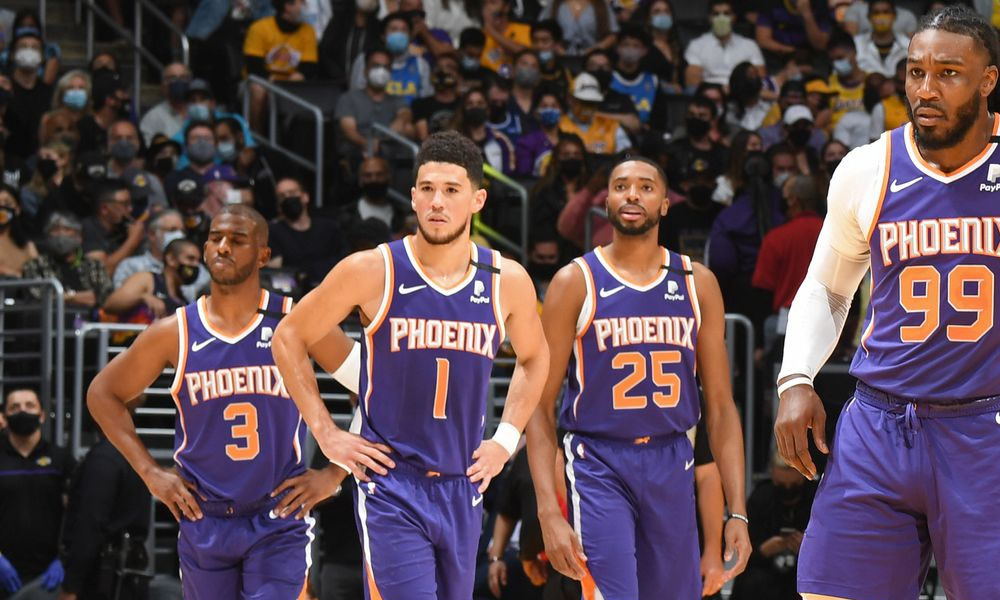
Basketball games can be thrilling to watch, but sometimes, the final score doesn’t tell the whole story. We’ve all had those moments when a game ends, and you’re left thinking, “That wasn’t just about the scoreboard, was it?” That’s where player stats come in. They give us a much deeper look at what really happened on the court—who stepped up when it mattered, who controlled the flow of the game, and what moments turned the tide.
In this article, we’re going to break down the Phoenix Suns vs Memphis Grizzlies match player stats. We’ll look at how certain players impacted the game beyond just scoring points. Whether it’s rebounds, assists, or defense, stats tell us what the eyes sometimes miss. By the end, you’ll have a complete picture of how these teams matched up and what stats were crucial to the outcome.
Key Player Stats: Who Led the Charge?
Let’s start by highlighting the stars—those key players who make the most significant impact on the game. In any basketball game, some players just seem to shine brighter. They may score the most points, make crucial assists, or simply bring energy that lifts the whole team.
For this Phoenix Suns vs Memphis Grizzlies game, we saw standout performances from players like Devin Booker and Ja Morant. Their stats not only tell us how much they scored but also show how they contributed in other areas, like assists and rebounds. It’s important to look at how each player’s performance shaped the game, not just their points total.
Scoring Stats: Who Was On Fire?
The most obvious stat everyone looks at is scoring, and it’s no surprise—after all, points are the main way to win a game. But even within scoring, there are important details that help tell the full story.
For example, Devin Booker’s shooting accuracy—whether he was hitting from beyond the arc or sinking those clutch free throws—was key for the Suns. On the Grizzlies’ side, Desmond Bane stepped up big with his field goals and three-point shooting. It wasn’t just about who scored the most points; it was also about shooting efficiency. The Suns leaned on shot efficiency, while the Grizzlies used fast breaks and drives to generate points.
Stats like field goal percentage, three-point shooting consistency, and free-throw accuracy all come into play here. When the game is tight, it’s those high-efficiency shooters who make the difference. If you missed a key three-pointer or missed free throws in clutch moments, it could easily have cost the game.
Assists: The Unsung Heroes of Playmaking
Basketball isn’t just about scoring—it’s also about creating opportunities. And that’s where assists come in. A perfect pass that leads to an easy basket is sometimes more valuable than the points themselves. Think of it as a team effort—getting the ball to the right player at the right time.
In this game, the Phoenix Suns showcased their smart ball movement. They focused on high assist-to-turnover ratios, which meant they kept the ball moving and avoided costly mistakes. Chris Paul and other Suns playmakers were crucial in setting up teammates for easy scores.
On the Grizzlies’ side, they were also great at quick passes, creating opportunities through their drive-and-kick plays. These plays allowed players like Ja Morant to attack the basket and dish out assists to open shooters. Assists are often overlooked, but they really tell you who is in control of the game’s pace.
Rebounds: Who Dominated the Glass?
Rebounding may not be the most glamorous stat, but it’s incredibly important. When a team grabs a rebound, they get another chance to score. And in tight games, those second-chance points can be game-changers.
For the Grizzlies, their strength was in offensive rebounding. They kept possessions alive by grabbing missed shots and getting extra scoring opportunities. Meanwhile, the Suns focused on defensive rebounding, ensuring the Grizzlies didn’t get those second-chance points.
Key hustle stats to look out for here include offensive vs. defensive rebounds, loose balls recovered, and points off second chances. These aren’t flashy stats, but they often show who is working the hardest to keep plays alive and build momentum.
Defensive Stats: Which Team Had the Edge?
Defense wins championships—this is a well-known saying, and it couldn’t be truer in a game like this. Strong defensive plays can swing the momentum, turning a fast break or a turnover into easy points. In this Phoenix Suns vs Memphis Grizzlies matchup, both teams showed impressive defense, but they went about it in different ways.
The Suns had a great perimeter defense, forcing tough shots and making it difficult for players like Desmond Bane and Ja Morant to get clean looks from the outside. Meanwhile, the Grizzlies focused on disrupting the Suns’ offense, with Jaren Jackson Jr. playing a huge role as a rim protector.
Defensive stats like steals, blocks, and defensive ratings reveal how well a team can slow down their opponent’s offense. It’s not always about flashy blocks; sometimes, it’s about making the other team uncomfortable, forcing them to take contested shots.
Turnovers: The Momentum Killers
Turnovers can be a game-changer. A careless pass or a lost ball can quickly change the flow of the game, giving the opposing team an easy chance to score. It’s one of those stats that can completely shift momentum—sometimes, without warning.
In the Suns vs Grizzlies game, turnovers were particularly telling. Ja Morant, while explosive, had a few turnovers that allowed the Suns to go on quick scoring runs. On the other side, Devin Booker was able to capitalize on Grizzlies’ mistakes, leading to easy baskets for the Suns.
When reviewing the Phoenix Suns vs Memphis Grizzlies match player stats, turnovers helped explain why certain runs were so effective. A quick turnover can lead to a fast break, and those types of plays are often the ones that leave a lasting impact on a game.
Bench Contributions: The Hidden X-Factor
We can’t forget about the bench players. While starters usually grab the spotlight, sometimes it’s the bench that quietly makes the difference in a game. Their energy can be contagious, and when the starters need a rest, the bench players can often keep things going.
In this game, both teams relied on their bench players to bring energy and support. Players who don’t always get the most minutes can have an outsized impact on the game. Whether it’s hitting a few clutch shots or making an important defensive play, bench stats like plus/minus and efficiency can tell you who was really contributing when it counted.
Perimeter Defense: Who Stopped the Three?
Three-point shooting has become one of the most exciting aspects of modern basketball. But defending the three is just as important. In this Phoenix Suns vs Memphis Grizzlies game, we saw how both teams focused on limiting the opponent’s long-range shooting.
The Suns have always prided themselves on strong perimeter defense, forcing opponents to take contested three-pointers. Players like Matisse Thybulle worked hard to close out on shooters and make them uncomfortable. On the other side, the Grizzlies also stepped up their perimeter defense, with Desmond Bane and Ja Morant being crucial in chasing down shooters and getting their hands in passing lanes. The stats showed that both teams were very effective at stopping the other’s three-point shooters when it mattered most.
Perimeter defense is often a quiet but crucial part of the game. It can prevent a team from building a lead, especially when their three-point shooting is off. By keeping shooters from getting open looks, the defense can completely shift the game’s momentum.
Free Throws: Clutch Moments at the Line
Free throws can make or break a game. When the clock is ticking down, and the game is close, it’s those free throws that often determine who wins and who loses.
In this matchup, both teams had moments when they needed to knock down free throws to either extend their lead or close the gap. Devin Booker, for example, showed his composure at the line, making key free throws under pressure. On the Grizzlies’ side, players like Zach Edey and Ja Morant also stepped up to make crucial free throws that helped their team stay in the game.
The Phoenix Suns vs Memphis Grizzlies match player stats revealed how critical free throws were, especially late in the game. It’s easy to overlook, but a missed free throw in crunch time can really hurt a team’s chances.
Matchup Insights: Grizzlies vs Suns Player Comparisons
One of the most fun things for fans is comparing how different players from each team perform against each other. In the Phoenix Suns vs Memphis Grizzlies match player stats, we saw several interesting head-to-head matchups that helped shape the outcome.
For example, Ja Morant vs. Chris Paul was a fascinating battle. Morant’s explosive speed and finishing ability challenged Paul’s veteran smarts and playmaking. Similarly, Devin Booker was often matched up with Desmond Bane, two players known for their scoring abilities. Stats like shot attempts, field goal percentages, and minutes played really highlighted how each player tried to outdo the other.
These player matchups can tell us a lot about who’s controlling the tempo of the game. When you look at the Phoenix Suns vs Memphis Grizzlies match player stats, you can see how these personal battles shaped the team dynamics and ultimately influenced the final result.
Speed and Pace: How Tempo Affected Player Stats
Every game has its rhythm, and the tempo of the game often determines how many opportunities players get. The Grizzlies are known for playing at the fastest pace in the league, and this game was no different. The fast pace led to more possessions, which meant more opportunities for players like Ja Morant to make plays.
The Phoenix Suns, while not as fast, are still among the quicker teams in the league. Their recent games showed a 10th-fastest pace of play, which matched up well with the Grizzlies’ speed. This uptick in possessions often results in more points but also more mistakes. Stats like turnovers and assist-to-turnover ratios really revealed which team was in control of the pace.
The faster the game, the more possessions teams have, and the more chances players have to shine. For fans of high-speed basketball, this game had plenty of exciting moments that came directly from the quick pace.
Predicting Future Matchups: What the Stats Tell Us
So, what can we learn from the Phoenix Suns vs Memphis Grizzlies match player stats that will help us predict future matchups between these two teams?
First, we can see that the Grizzlies’ speed gives them a big advantage, especially when they can force turnovers and get out on fast breaks. But the Suns’ efficiency, especially in shooting and defense, could be a game-changer in slower, more controlled games. If they can disrupt the Grizzlies’ rhythm and control the tempo, they can make life difficult for Memphis.
By looking at the stats, we can also expect Devin Booker and Ja Morant to continue to be the focal points for their teams. Bane and Booker will likely continue to battle for scoring supremacy, while Chris Paul and Morant will be the playmakers.
Looking ahead, we might also see a stronger focus on defense from both teams. For the Suns, their ability to defend the three-point line will remain crucial, and for the Grizzlies, continuing to capitalize on offensive rebounds will be key. The matchups are always evolving, but these key player stats give us insight into what might happen next time.
Conclusion
When the Phoenix Suns and Memphis Grizzlies meet, it’s not just about who scores the most points. It’s about how those player stats tell the true story of the game. Whether it’s clutch free throws, strong defense, or quick ball movement, these stats give us a deeper understanding of what happened on the court.
Next time you watch a Grizzlies vs Suns game, remember that the scoreboard is just one piece of the puzzle. The stats behind the scenes—who’s passing, who’s rebounding, who’s defending—are what really tell us who’s dominating the game. Keep an eye on the Phoenix Suns vs Memphis Grizzlies match player stats, and you’ll enjoy the game in a whole new way!
You may also read: Zo35-G25DA74 Model TV Explained: Is This the Right TV for Your Home?