


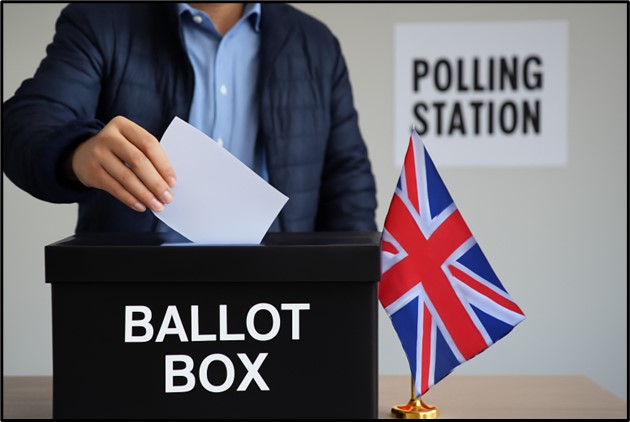
In the UK elections, many voters assume their choices reflect true democratic freedom. However, a closer look reveals that the outcomes are shaped by forces most voters don’t even realize exist. The veto option, a long-standing feature of democratic systems, has recently drawn attention for challenging the status quo and highlighting the limits of voter influence. The real issue isn’t just political disillusionment; it’s the hidden structures within the system that determine the results before voters even cast their ballots.
This blog will uncover these often-overlooked dynamics and explore why more voters are increasingly calling for changes that give them real power in the election process.
Why Voters Often Feel Trapped in UK Elections?
In the UK, elections are supposed to be a way for voters to express their true preferences, but many voters often feel stuck choosing the “lesser evil.” Instead of voting for a candidate they genuinely support, they end up voting for the one they dislike the least, simply to prevent a worse alternative. This situation is widespread, especially in constituencies where the outcome feels predetermined, and voters believe that their preferences don’t really matter in the end. The entire process can feel like a forced compromise rather than a genuine expression of democratic choice.
The problem lies in the structural mechanics of the election system, which often forces voters into this uncomfortable position. Constituencies with predictable outcomes, combined with a first-past-the-post voting system, often leave voters with only two or three options, none of which truly represent their beliefs. As a result, many end up voting tactically rather than authentically. This system, while simple on the surface, doesn’t truly reflect the diverse voices of the electorate and limits the impact voters can have.
Here’s how these structural issues shape the election process:
- Limited voter leverage in areas where results are almost guaranteed.
- Structural bias in safe seats UK election is making it difficult for voters to influence outcomes.
- A simple voting system that masks deeper systemic flaws.
- False choice in which voters feel forced to select the “least bad” candidate.
- Narrow competition among candidates, reducing accountability, and diverse representation.
These issues leave voters feeling disconnected from the democratic process, which is why movements like the veto option for UK elections are gaining traction as a potential solution to restore genuine voter control. To help make this change a reality, sign the petition and support efforts to give voters a stronger voice in shaping the future of UK elections.
How Do These Hidden Dynamics Affect Who Really Has Power in Elections?
These dynamics shift power toward the structure itself. Predictability, formula-driven outcomes, and fixed voter patterns mean the system often has more control than individual voters. Once you recognise this gap, the balance of influence looks very different.
Here’s the thing: once you understand how these forces work, it becomes easier to see why tactical voting rises, why safe seats remain unchallenged, and why ideas like the veto option are entering UK discussions. Now we can break the pieces down.
The Quiet Impact of ‘Predictive Outcomes’ in Safe Constituencies
Safe seats in UK elections aren’t just predictable; they shape how campaigns behave. When a constituency rarely changes hands, parties allocate fewer resources, candidate competition narrows, and local issues often take a back seat. Predictability influences the quality of candidates who run and the level of accountability voters can expect.
What often happens is:
- Campaigns invest less in areas where results feel predetermined.
- Voters disengage because outcomes seem already decided.
- Candidates face minimal pressure to earn active approval.
Tactical Voting as an Unseen System Distortion Not Just a Voter Decision
Tactical voting gets framed as a personal choice, but it’s actually a symptom of the system. When people choose the “least bad” option, they aren’t expressing preference; they’re reacting to structural pressure. This turns a simple vote into a strategic calculation shaped by constraints rather than desire. The tactical voting problem isn’t caused by voters. It’s produced by the mechanics of the system itself.
This distortion shows up when:
- Voters avoid their preferred candidate to block another.
- Constituencies amplify party strategy instead of voter intention.
- Candidates win without broad support.
Why the First-Past-the-Post Formula Masks Deeper Electoral Flaws?
The First-Past-the-Post method appears simple, but its simplicity masks deeper flaws. It counts only the top number, not the shape of the overall support. This can produce winners who don’t reflect collective preference and strengthen structural imbalances. When people talk about the flaws of First Past the Post, they’re pointing to the gap between vote share and real representation.
These oversights appear in:
- Fragmented votes that get ignored in the final results.
- Winners without majority backing.
- Large groups of voters are left unrepresented.
Why the Veto Campaign Is Highlighting These Hidden Issues for UK Voters?
Once these hidden patterns become clear, the next question is about accountability: how can voters express approval or disapproval beyond choosing between limited options? This is where the conversation shifts. The veto election campaign in UK isn’t selling a new system; it’s opening space for public awareness about influence, choice, and structural gaps.
The campaign focuses on helping voters see what’s often unseen:
- Revealing structural gaps that shape UK election outcomes.
- Encouraging candidates to earn genuine approval rather than rely on predictability.
- Empowering citizens beyond selecting from a shortlist they didn’t design.
Public conversations across the UK are increasingly acknowledging something important: voter control is thinner than it appears, and many people want a way to express dissatisfaction constructively.
To take part in this rising discussion, you can sign the petition on the Veto Campaign website.
What You Can Do Right Now!
Understanding how these hidden mechanics work is a strong first step toward real influence. While you can’t rewrite election laws overnight, you can shape the direction of the conversation by staying informed and taking small actions that matter.
You can:
- Learn how structural rules influence who represents your area
- Share this article to increase awareness in your community
- Sign the petition to strengthen voter control and push for meaningful accountability
Even small choices help shift public conversations toward improvement.
Final Thoughts
The deeper issue behind UK elections isn’t just political fatigue; it’s the structural mechanics that guide outcomes more than most people realise. Once those mechanics are visible, the push for new accountability tools becomes easier to understand. The veto option sits at the heart of that conversation, not as a replacement for existing systems, but as an additional layer of voter control.
For voters across the UK who want a more transparent, responsive, and representative democracy, the path forward starts with awareness and steady engagement. The more people understand these hidden patterns, the stronger the pressure becomes for systems that reflect real public preference.
To stay involved, keep learning, share what you discover, and participate in efforts that push for meaningful influence. Each action, no matter how small, helps shape a more accountable future for UK elections.