


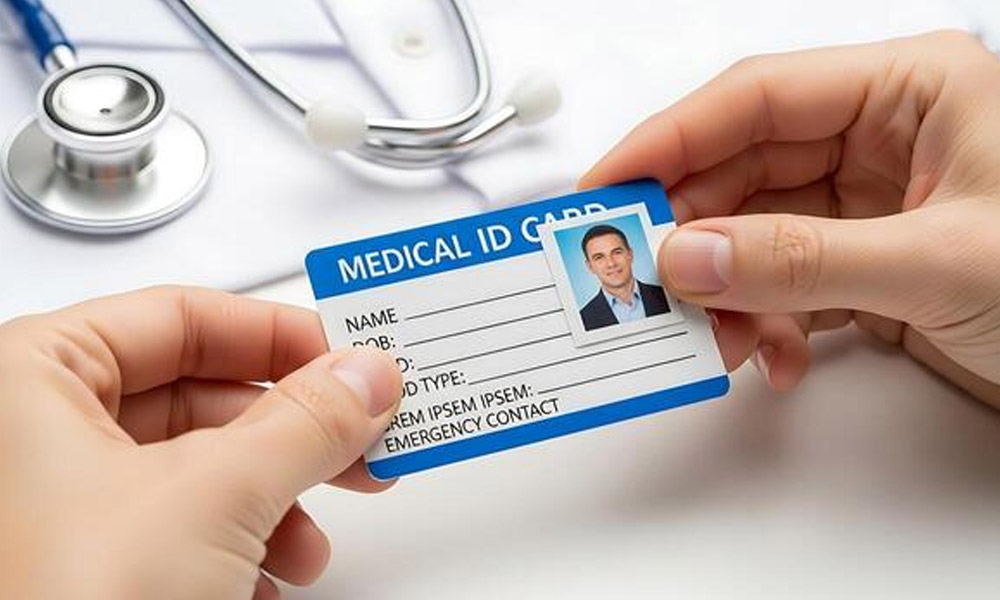
Deciding to wear a medical ID is one thing. Figuring out what information to engrave on it is another challenge entirely. The space on a medical ID bracelet or necklace is limited, yet the information needs to be comprehensive enough to help emergency responders make quick, informed decisions.
Getting this balance right can feel overwhelming, especially when considering that this small piece of jewelry might be the only thing communicating critical health information during an emergency.
The good news is that there are clear guidelines for what to put on medical ID jewelry. Understanding these basics helps anyone create an effective medical ID that provides essential information without trying to cram an entire medical history onto a small metal surface.
The Non-Negotiables: Information Every Medical ID Needs
Certain pieces of medical id information belong on every bracelet or necklace, regardless of specific health conditions. These foundational elements ensure that anyone who finds an unconscious or incapacitated person can get help quickly.
Your Name and Medical Symbol
The medical symbol, typically a red caduceus or Star of Life, needs to be clearly visible on the front of any medical ID. This symbol alerts first responders and medical personnel that the jewelry contains important health information, not just decorative text.
The wearer’s name should appear prominently, usually as the first line of text. This might seem obvious, but during chaotic emergency situations, knowing who someone is helps coordinate care and locate medical records. First and last name work best, though some people with very long names use first name and last initial to save space.
Emergency Contact Information
At least one emergency contact number must appear on a medical ID. This contact should be someone who knows the wearer’s complete medical history and can provide additional information that wouldn’t fit on the ID itself. The contact should also be someone likely to answer their phone at any time.
Many people list two contacts when space allows:
- Primary contact (spouse, parent, or closest family member)
- Secondary contact (another family member or close friend)
Including the relationship helps responders understand who they’re calling. “John (husband) 555-0123” provides more context than just a name and number.
Medical Conditions That Belong on Your ID
The medical conditions section is where people often struggle with what to include. Not every health issue needs to be on a medical ID. The key is identifying conditions that would affect emergency treatment or that emergency responders need to know about immediately.
Conditions That Alter Consciousness or Behavior
Any condition that can cause someone to lose consciousness, become confused, or appear intoxicated needs to be on a medical ID. These conditions can be misidentified during emergencies, leading to dangerous delays in proper treatment.
Critical conditions to list include:
- Diabetes (specify Type 1 or Type 2 if space allows)
- Epilepsy or seizure disorders
- Severe asthma
- Heart conditions or cardiac history
- Stroke risk factors
- Adrenal insufficiency
Diabetes deserves special attention when considering what to put on medical id jewelry. Low blood sugar can mimic intoxication, and someone experiencing hypoglycemia might be unable to communicate their condition. Having “Type 1 Diabetes” or “Diabetic” engraved ensures that responders check blood sugar levels rather than making incorrect assumptions.
Conditions That Affect Treatment Decisions
Some conditions don’t necessarily cause emergencies themselves but dramatically affect how medical personnel should handle any emergency. These conditions change treatment protocols and medication choices.
Conditions affecting treatment include:
- Bleeding disorders or blood-clotting issues
- Organ transplant recipient status
- Pacemaker or implanted medical devices
- Immune system disorders
- Kidney or liver disease
Someone with a bleeding disorder, for example, needs different protocols for even minor injuries. A pacemaker affects which diagnostic equipment can be used safely. This medical id information helps prevent complications from well-intentioned but inappropriate treatments.
Allergies: What Makes the Cut
Allergy information on a medical ID should focus on severe, potentially life-threatening reactions. Space is limited, so not every mild sensitivity belongs on the ID.
Drug Allergies Take Priority
Medication allergies, especially to common emergency drugs, absolutely need to be listed. Penicillin, sulfa drugs, aspirin, and latex are particularly important because they’re used frequently in emergency settings.
When listing allergies on medical id jewelry, use clear abbreviations that medical personnel will recognize:
- PCN (penicillin)
- Sulfa (sulfa drugs)
- ASA (aspirin)
- Latex
If someone has multiple drug allergies, listing them might require prioritizing the most common or most dangerous ones. Someone allergic to six different medications probably cannot fit them all, so focusing on the drugs most likely to be administered in an emergency makes the most sense.
Food Allergies and Anaphylaxis Risk
Severe food allergies that can cause anaphylaxis belong on a medical ID, particularly if the person has a history of serious reactions. Peanut, tree nut, and shellfish allergies are common enough that abbreviations work well.
The key consideration is whether the allergy could present as an emergency. Someone with a mild dairy intolerance probably doesn’t need it on their medical ID, but someone who goes into anaphylactic shock from trace peanut exposure absolutely does.
Medications That Emergency Responders Must Know About
Not every medication someone takes needs to be on their medical ID. The focus should be on medications that affect emergency treatment or that indicate serious underlying conditions.
Blood Thinners and Anticoagulants
Blood thinners are perhaps the most critical medications to list on medical id information. These drugs dramatically affect bleeding risk and change how injuries are treated. Warfarin, Eliquis, Plavix, and similar medications need to be clearly marked.
Even a minor head injury becomes a serious concern for someone on blood thinners because of the increased risk of internal bleeding. Knowing about these medications immediately changes evaluation and monitoring protocols.
Steroids and Immunosuppressants
Long-term steroid use or immunosuppressant medications indicate conditions that affect stress response and infection risk. These medications need to be listed because emergency situations might require stress-dose steroids or additional precautions.
Medications worth listing include:
- Prednisone or other corticosteroids
- Immunosuppressants for autoimmune conditions or transplants
- Insulin or other diabetes medications
- Heart medications like beta-blockers
- MAO inhibitors (serious drug interaction risks)
The Medication Space Dilemma
Fitting multiple medications on a medical ID gets tricky. Some people solve this by using the back of the ID for medication lists, while others use commonly understood abbreviations. If the medication list becomes too long, focusing on the most critical ones and noting “see wallet card” can work, though wallet cards might not be found as quickly during emergencies.
Special Considerations and Additional Information
Beyond the basics, certain situations call for additional medical id information that might not apply to everyone but could be critical for specific individuals.
Communication Needs
People who are deaf, hard of hearing, nonverbal, or have significant speech impairments benefit from noting this on their medical ID. “Deaf” or “Nonverbal” alerts responders to adjust their communication methods immediately.
Autism, when it affects communication during stressful situations, can also be worth noting. This helps responders understand that unusual communication patterns or responses might be related to the condition rather than injury or intoxication.
DNR Orders and Medical Directives
Some people choose to note “DNR” (Do Not Resuscitate) on their medical ID, though this is controversial. DNR orders typically require official documentation, and a bracelet alone might not be considered legally sufficient. Anyone considering including this information should consult with healthcare providers and legal advisors about proper documentation.
Organ Donor Status
Organ donor status doesn’t need to be on a medical ID. This information lives in official registries and on driver’s licenses. During emergency treatment, the focus is on saving the person’s life, not on donation status.
What to Leave Off Your Medical ID
Knowing what not to include is just as important as knowing what to put on medical id jewelry. Some information, while medically relevant, doesn’t belong on an ID bracelet or necklace.
Information to skip:
- Minor allergies or sensitivities
- Medications for non-critical conditions
- Detailed medical history
- Insurance information
- Social security numbers
- Detailed family history
The goal is providing information that emergency responders need in the moment, not creating a comprehensive medical record. Additional details can be shared by emergency contacts or retrieved from medical records once initial stabilization occurs.
Getting the Format Right
How information is presented on a medical ID matters almost as much as what information is included. Clear, readable engraving with logical organization helps responders process the information quickly.
Most medical IDs follow this general format:
- Name
- Primary medical condition
- Additional conditions
- Allergies
- Key medications
- Emergency contact
Using standard medical abbreviations saves space and ensures clarity. Emergency responders are trained to recognize these abbreviations, making them more effective than trying to spell everything out fully.
Creating an Effective Medical ID
Putting together an effective medical ID means balancing completeness with brevity. The most important medical id information needs to fit in a small space while remaining readable. Taking time to carefully consider what to include, using appropriate abbreviations, and organizing information logically creates a medical ID that could genuinely save a life during an emergency.
Review and update medical ID information regularly, especially after new diagnoses, medication changes, or when emergency contact information changes. A medical ID is only useful if the information on it remains current and accurate.