


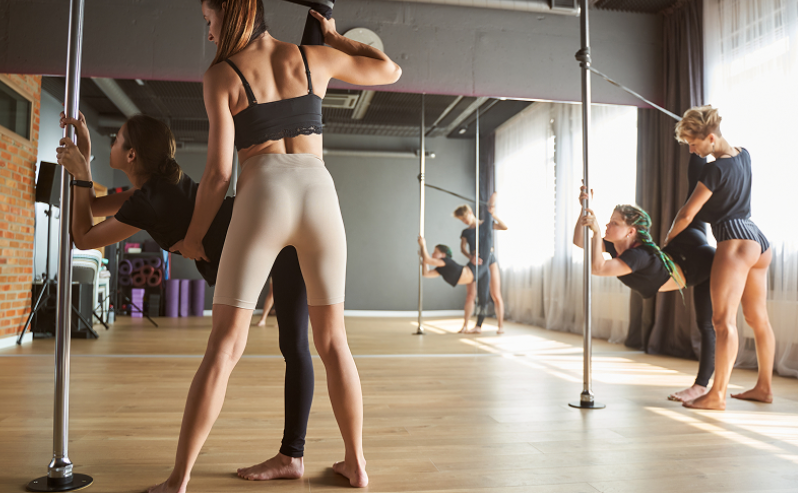
tepping into a studio for your first pole dance class can feel both exciting and unfamiliar. Many beginners arrive curious about how sessions flow and what skills they will learn in the early stages. Studios usually keep the atmosphere friendly to help first-timers settle in without pressure. Instructors guide each person through simple holds, light turns, and easy transitions that allow the body to adjust gradually.
Studios focus on safety as much as technique. Beginners receive clear instructions on grip, movement control, and pacing. This structure helps people stay aware of their limits while still enjoying the process. It makes early sessions feel manageable rather than overwhelming.
Understanding the Studio Setup
Most spaces follow a layout that gives every participant enough room to move without crowding. Poles are arranged with equal spacing so each person can practise comfortably. Mirrors line the walls to help learners observe their posture and alignment during pole dance routines.
Lighting usually stays bright enough for visibility but soft enough to maintain a calm mood. The flooring offers firm support while reducing strain during transitions. These details may seem small, but they allow newcomers to focus on movement instead of distractions.
Learning Basic Movements
Beginners spend their early sessions working on simple steps, turns, and light climbs. The aim is not to push hard but to understand how weight shifts from one point to another. Instructors may break down each movement to show how different muscles support the body during a pole dance sequence.
Sessions often include short warm-ups and cool-downs to help with flexibility. These routines can make transitions smoother over time. New learners often appreciate this steady pace because it keeps the class approachable while still offering gradual progress.
Improving Grip and Confidence
Grip is one of the first challenges new learners encounter. Studios often provide towels or grip aids to help beginners maintain contact with the pole. Instructors teach small adjustments, such as hand placement and pressure control, that make a clear difference in stability. This part of pole dance practice also strengthens awareness of how the body reacts to movement.
Confidence grows naturally as learners see improvements in small steps. Early achievements, like completing a full turn or holding a position for a few seconds, give pairs or individuals a sense of progress without exaggeration. Many people enjoy the mix of light physical effort and personal challenge.
Following Safe Training Methods
Studios place strong emphasis on safety during pole dance training. Instructors guide each student through controlled routines to avoid unnecessary strain. Beginners are encouraged to pause if they feel discomfort and adjust their pace as needed.
The structural stability of poles also matters. Studios frequently check fittings to ensure they remain secure. These checks support a safe training experience that lets beginners focus on improvement instead of equipment concerns.
Knowing Class Levels and Progression
Studios group classes by skill level so beginners feel comfortable joining sessions that match their current abilities. Early classes focus on easy rotations, simple spins, and gentle holds. As learners gain confidence, they can choose intermediate classes that introduce longer sequences.
This structured path helps newcomers enjoy their pole dance journey without feeling rushed. It also gives them a clear idea of how skills evolve. Instructors often offer feedback grounded in observation to help people refine their form.
Enjoying the Social Aspect
Classes often include group moments where participants share feedback or celebrate small goals. This makes sessions social without feeling forced. Many learners appreciate meeting others who are also new to pole dance and navigating the same early challenges.
Studios also organise open practice times where beginners can revisit movements at their own speed. These sessions provide a calm environment for people who want extra time on the pole without formal instruction.
ALSO CHECK OUT: How to Excel in a Hip-Hop Dance Class?
Tracking Physical Improvements
Beginners may notice gradual changes in strength and balance through regular practice. Pole dance routines naturally involve the core, legs, and arms. Instructors sometimes explain how specific movements engage these muscles to help learners stay aware of their form.
These physical changes vary from person to person. What stays consistent is the focus on controlled movement rather than dramatic shifts. This approach keeps expectations grounded and highlights steady improvement.
What to Expect Emotionally
Starting something new can bring a mix of excitement and uncertainty. Studios recognise this and often take steps to help newcomers settle into the space. Supportive instructors, approachable routines, and a friendly environment help keep the experience positive. Many beginners say that pole dance sessions give them a sense of focus that carries beyond the studio.
Spinning Forward with Confidence
Studios across the city offer beginners a structured entry into this activity. Classes stay approachable, equipment remains secure, and instructors guide learners with steady care. Each session builds confidence in manageable steps. Check more from Best SG Finds to see other activities and ideas you can enjoy.