


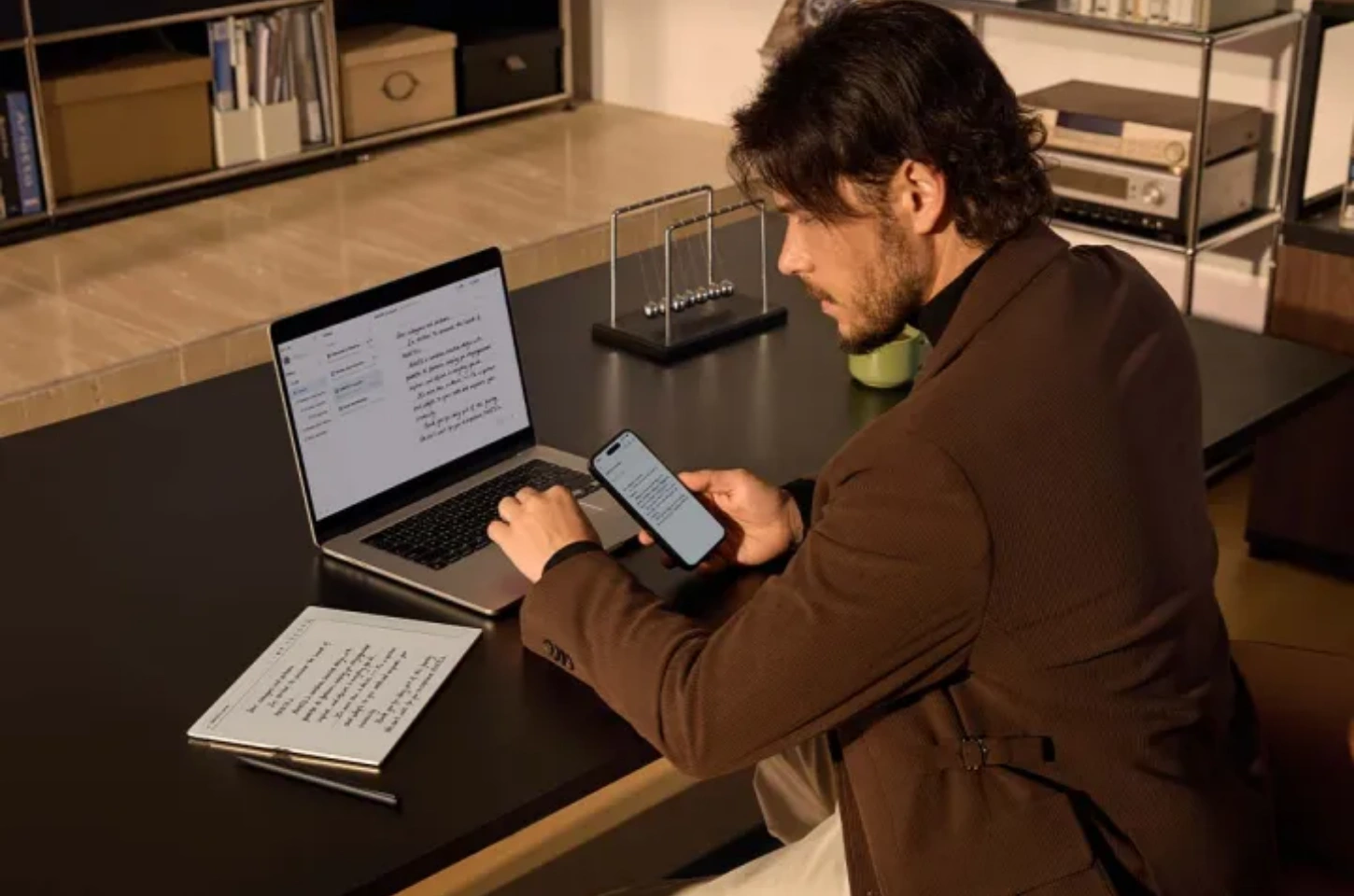
Paper is still widely used in schools, offices, and homes, yet much of it is wasted on temporary notes, drafts, and repeated rewrites. As digital alternatives improve, writing tablet has emerged as a simple but effective way to reduce paper consumption while also lowering long-term costs. Understanding how they work and where they add value can help you decide whether switching makes sense for your daily routine.
Why Paper Waste Is a Growing Problem
Before looking at solutions, it’s important to understand why paper waste has become a serious environmental and financial issue. From production to disposal, paper use carries hidden costs that many people overlook.
The Environmental Impact of Paper Production
Producing paper requires large amounts of water, energy, and raw materials. Trees must be harvested, processed, and transported, contributing to deforestation and carbon emissions even before the paper reaches consumers.
Hidden Costs of Everyday Paper Use
Beyond environmental damage, paper creates ongoing expenses. Notebooks, printer paper, ink, and pens are recurring purchases. In multilingual environments, printed translations and duplicated materials further increase waste—something a digital writing tablet or translator device can help eliminate.
What Is a Writing Tablet and How Does It Replace Paper
Writing tablets offer a practical alternative to traditional paper by providing a reusable surface for writing and drawing. They are designed to handle many of the tasks that normally require notebooks or loose sheets.
How Writing Tablets Mimic Traditional Writing
A writing tablet allows users to write with a stylus directly on the screen, recreating the feel of pen and paper. Pressure-sensitive displays make handwriting natural and easy to read.
Writing Tablet vs Paper for Daily Tasks
For to-do lists, calculations, practice work, and brainstorming, a writing tablet replaces stacks of paper that are often discarded after a single use.
How a Writing Tablet Helps Save Money Over Time
While buying a writing tablet involves an upfront cost, the long-term savings often outweigh the initial investment. This is especially true for frequent note-takers.
Reduced Spending on Paper, Pens, and Notebooks
Using a reusable writing surface eliminates the need for constant paper refills, notebooks, and disposable pens, significantly reducing everyday expenses.
Long Battery Life and Low Energy Consumption
Most writing tablets consume very little power. Many models last months or even years on a single battery, keeping energy costs close to zero.
One-Time Investment vs Ongoing Paper Costs
Over time, the cumulative cost of paper supplies can exceed the price of a quality writing tablet, making it a cost-effective choice.
How Writing Tablets Reduce Paper Waste
In addition to saving money, writing tablets directly address the issue of paper waste. Their design encourages reuse rather than disposal.
Reusable Writing Surface and Instant Erase
Instead of throwing away paper, users can instantly clear the screen and start again, preventing unnecessary waste.
Less Printing for Notes, Drafts, and Practice
Writing tablets reduce the need to print documents for annotation, practice exercises, or rough drafts.
Supporting a Paperless Lifestyle at Home and Work
By replacing everyday paper use, writing tablets help households and offices move toward more sustainable habits.
Real-Life Use Cases That Cut Paper Consumption
The benefits of writing tablets become clearer when looking at real-world applications. Different user groups can significantly reduce paper use in daily scenarios.
Writing Tablets for Kids’ Learning and Homework
A writing tablet for kids allows repeated practice without piles of discarded worksheets, making learning both economical and eco-friendly.
Writing Tablets for Office and Meetings
Professionals can take meeting notes, sketch ideas, and plan projects without printing agendas or handouts.
Writing Tablets for Daily Notes and Planning
From grocery lists to reminders, a writing tablet replaces sticky notes and scrap paper used throughout the day.
Recommended Eco-Friendly Writing Tablet: iFLYTEK AINOTE 2
Reducing paper waste requires more than just digital storage—it depends on how closely a device can replicate the natural writing and reading experience. The iFLYTEK AINOTE 2 addresses this by combining paper-like hardware with intelligent digital organization.
Paper-Like E-Ink Display for Daily Writing
Using a 10.65-inch E-Ink display, the AINOTE 2 closely mimics the texture and comfort of real paper while storing all handwritten notes digitally. Users can write freely without glare or eye strain, eliminating the need for physical notebooks, loose paper, or repeated rewriting.
How iFLYTEK AINOTE 2 Saves Money in the Long Term
Eco-friendly choices often translate into financial savings over time. By consolidating multiple tools into one device, the iFLYTEK AINOTE 2 reduces ongoing expenses associated with traditional paper-based workflows.
Who Should Choose iFLYTEK AINOTE 2
Different users adopt paperless tools for different reasons, but high-volume note creation is often the deciding factor. The AINOTE 2 is especially effective for users who need reliability, structure, and long-term sustainability.
How to Choose the Right Writing Tablet
Not every writing tablet offers the same level of sustainability or savings. Choosing the right one depends on how you plan to use it.
Screen Type and Durability
E-Ink tablets are better for long writing sessions, while LCD tablets work well for quick notes and practice.
Battery Life and Power Efficiency
A long-lasting battery ensures minimal charging and lower energy use.
Matching the Tablet to Your Needs
Casual users may prefer simple models, while heavy note-takers benefit from advanced devices like the AINOTE 2.
Final Thoughts
A writing tablet is a small change that can make a big difference. By reducing paper waste and cutting recurring costs, it supports both sustainability and financial efficiency. Whether you choose a basic model or an advanced option like the iFLYTEK AINOTE 2, switching to a writing tablet is a practical step toward a cleaner, more cost-effective way of working and learning.