


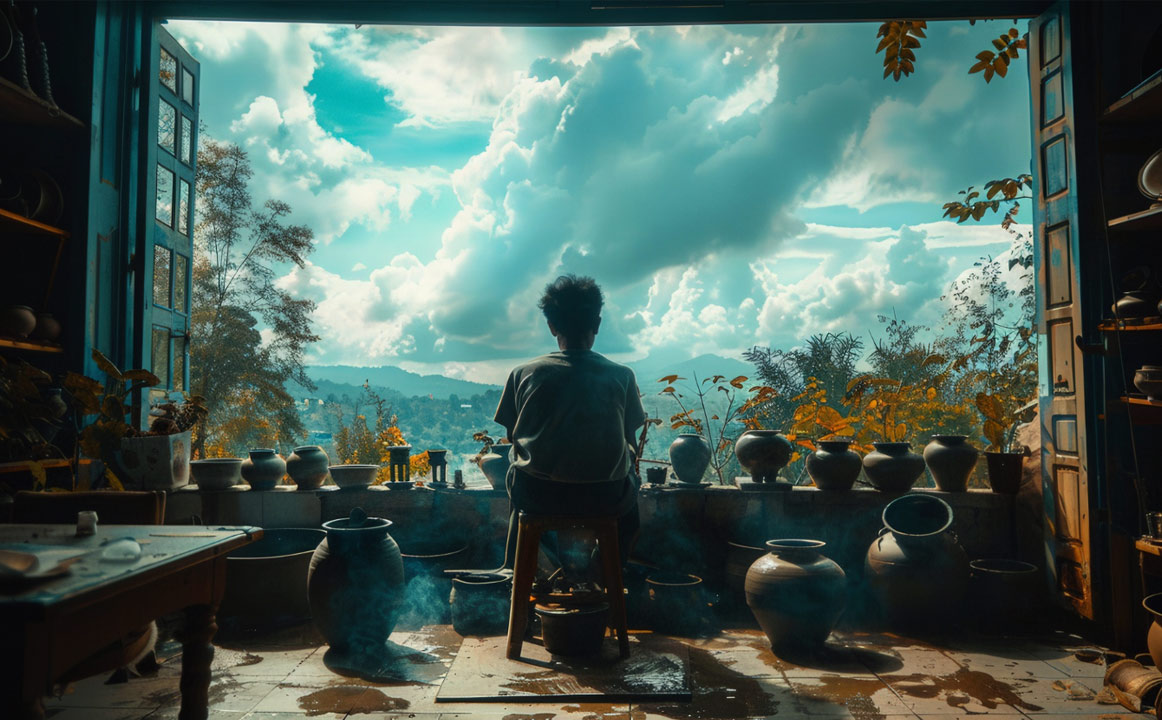
Every writer has that one scene. It is a 500-word fragment tucked away in a notebook or a forgotten folder—a tense standoff in a dusty diner, a lonely astronaut looking at a dying star, or a high-speed chase through a futuristic city. For years, these stories stayed trapped on the page because the cost of bringing them to life was simply too high. Not anymore.
With the right tools, like the Banana Pro AI Video Generator, those paragraphs can now become high-definition reality. You can find the latest tools at Banana Pro AI, where storytelling meets high-end production.
I. The Bridge Between Words and Vision
Writing is an act of imagination, but filmmaking is an act of execution. The gap between a well-written paragraph and a 4K video used to require a crew of fifty and a massive budget. Today, that gap has closed. The secret lies in understanding how to translate descriptive prose into visual instructions.
Breaking Down the Narrative Beats
A 500-word story usually contains three to five core “beats.” To turn this into a video, one must identify the primary emotional hook. Is it the atmosphere? The character’s expression? The sudden movement of an object? Identifying these beats allows the Banana Pro AI Video Generator to focus on what matters most in each frame.
The Power of Visual Metadata
When a writer says “the room felt heavy,” a reader understands the mood. However, a camera needs to know about lighting, shadows, and lens depth. Translating “heavy” into “low-key lighting with deep shadows and a tight 35mm close-up” is how a simple story becomes a cinematic experience.
Decoding Textual Nuance for Machine Learning
Modern systems no longer just look for keywords; they understand context. If a story mentions “a flickering candle in a drafty hall,” the engine understands the relationship between the wind (draft) and the movement of the light (flicker). This level of comprehension is what separates a generic clip from a true adaptation of a written work.
II. Setting the Stage with High-Fidelity Tools
Creating a video that looks like a blockbuster requires more than just a basic prompt. It requires a system capable of handling complex textures and realistic physics. This is where Banana Pro AI Video Generator changes the game for independent creators.
Text-to-Video Precision and Semantic Accuracy
The core engine allows users to input their narrative descriptions directly. Instead of generic clips, the system parses the specific details of the text—the color of a coat, the way a leaf falls, or the glint of light on metal—to create a cohesive scene that feels intentional rather than random.
Consistency Across Multiple Scenes
One of the biggest hurdles in creation is keeping characters and environments looking the same from one shot to the next. Banana Pro AI uses advanced reference mapping to ensure that if a protagonist has a specific eye color or a unique jacket in the first five seconds, they maintain those traits throughout the entire sequence.
Realistic Physics and Fluid Dynamics
A major part of the “cinematic” feel comes from how things move. Whether it’s the way hair blows in the wind, the splash of water, or the realistic weight of a falling object, the underlying models simulate real-world physics to ensure the viewer’s immersion is never broken by “rubbery” or fake-looking movements.
III. Step-by-Step: The Transformation Process
If there is a 500-word story ready to go, here is the roadmap to turning it into a visual showcase using the features available at Banana Pro AI.
Scene Extraction and Storyboarding
Don’t try to turn all 500 words into one single prompt. Instead, break the text into key scenes. Pick the most “visual” 50 words from each section. Focus on the action and the environment. Describe the “where” and the “what” with concrete nouns and active verbs to give the AI a clear blueprint.
Directing the Camera and Motion Brush
Within the interface, the user acts as the director. Beyond just text, tools like the Motion Brush allow for specific control over which parts of an image should move. A user can paint over a river to make it flow while keeping the rest of the mountain static, or specify a slow camera pan to reveal a hidden detail in the background.
Fine-Tuning Styles and Aesthetics
The look of a film matters. Whether the requirement is a gritty, grainy film noir style or a bright, vibrant 3D animation look, the settings allow for total control over the final output’s “flavor.” This ensures the video matches the “voice” of the original writing perfectly.
Iterative Refinement and Upscaling
The first draft is rarely the final one. After generating a base clip, creators can use upscaling features to enhance textures—adding skin pores, fabric weaves, and environmental grit. This step takes a “good” video and makes it look like it was shot on a professional 8K camera.
IV. Why High-Quality Video Matters for Writers
In a crowded space, standing out is hard. A writer who shares a link to a text block gets some attention, but a writer who shares a breathtaking 30-second cinematic trailer for their story captures the imagination immediately.
Building an Audience through Visual Hooks
Visuals are the most shareable form of content. By using Banana Pro AI Video Generator, authors can create “book trailers” or “concept clips” that go viral on social media, driving traffic back to their written work and building a dedicated fan base.
Pitching Ideas to Producers and Studios
If the goal is to sell a script or a novel, showing a “proof of concept” video is incredibly persuasive. It proves that the world built on paper is vivid, tangible, and ready for a larger screen, making it much easier for decision-makers to say “yes.”
Enhancing the Creative Feedback Loop
Seeing a story come to life can actually help the writing process. When a writer sees their “500-word scene” visually, they might notice a detail about the environment or a character’s body language they hadn’t considered before, which they can then feed back into their prose.
Beyond Simple Prompts: Advanced Features
The technology behind Banana Pro AI goes deeper than just “typing and clicking.” It offers a suite of tools designed for people who take their craft seriously.
Image-to-Video Guidance and Character Lore
Sometimes, a writer has a specific concept art piece or a photo that perfectly captures a character. Users can upload these images to guide the video generation. This ensures the output isn’t just “a person,” but “your person,” maintaining the integrity of the original vision.
Native Audio Integration and Soundscapes
A silent movie is rarely “shocking.” The inclusion of natively generated audio cues means the sound of a rainstorm or the hum of a spaceship matches the movement on screen perfectly. This creates a multi-sensory experience that pulls the viewer into the heart of the story.
Long-Form Video Extension
Storytelling isn’t limited to 5-second clips. The extension feature allows users to take a generated scene and continue the action for another segment, maintaining the same characters and lighting. This allows for the creation of continuous, flowing narratives that span minutes instead of seconds.
Final Thoughts
That 500-word story doesn’t have to stay hidden in a dusty corner of a hard drive. It has the potential to be a visual masterpiece that moves people, scares them, or makes them think. By leveraging the power of Banana Pro AI Video Generator, you are giving your words the wings they need to fly.
The tools are ready. The tech is polished. All that is missing is the story. Head over to Banana Pro AI and see how your favorite paragraph looks when it’s brought to life in stunning high definition.