

Laser marking technology has become an essential part of modern manufacturing, offering permanent, precise, and high-speed marking for a wide range of materials. Compared with traditional marking methods such as ink printing or mechanical engraving, laser marking provides better durability, higher accuracy, and minimal material damage.
As manufacturing requirements continue to diversify, different types of laser marking machines have been developed to meet specific industrial needs. Understanding these machine types helps manufacturers select the most suitable solution for their applications.
Fiber Laser Marking Machines
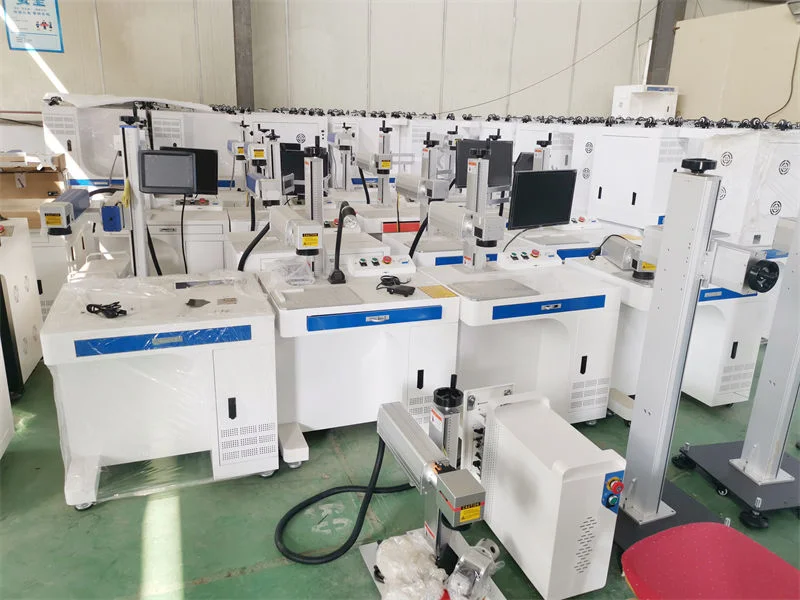
Fiber laser marking machines are the most widely used type in industrial applications. They are especially suitable for marking metals such as stainless steel, aluminum, brass, and copper, as well as some engineering plastics.
Fiber lasers offer high beam quality, long service life, and low maintenance requirements. Common applications include serial numbers, barcodes, logos, and QR codes on metal parts used in automotive, electronics, and machinery manufacturing. Due to their efficiency and stability, fiber laser systems are often the first choice for high-volume production environments.
CO₂ Laser Marking Machines
CO₂ laser marking machines are primarily used for non-metal materials. They perform well on wood, acrylic, glass, leather, rubber, paper, and certain plastics. Instead of engraving metal surfaces, CO₂ lasers interact with organic materials through thermal processing, creating clear and visually appealing marks.
These machines are widely used in packaging, signage, handicrafts, and consumer goods industries. CO₂ laser marking is particularly valued for its smooth marking results and flexibility in creative designs.
UV Laser Marking Machines
UV laser marking machines are known for their “cold marking” capability. Unlike fiber or CO₂ lasers, UV lasers produce very little heat during processing, which minimizes thermal damage to sensitive materials.
This type of laser marking machine is commonly used in industries that require extremely high precision, such as electronics, medical devices, cosmetics packaging, and semiconductor components. UV laser marking is ideal for marking plastics, glass, and coated materials without burning or deformation.
Green Laser Marking Machines
Green laser marking machines operate at a wavelength that falls between fiber and UV lasers. They are suitable for materials that are difficult to mark using standard fiber lasers, such as certain reflective metals and specialized plastics.
Although less common than fiber or CO₂ systems, green lasers are used in niche applications where higher absorption rates and improved contrast are required.
Handheld and Portable Laser Marking Machines
In addition to stationary systems, handheld and portable laser marking machines are gaining popularity for on-site marking and maintenance work. These machines provide flexibility for marking large or immovable components, making them useful in construction, heavy equipment manufacturing, and field repairs.
While portable systems may not match the speed of fixed installations, they offer unmatched convenience for specific industrial scenarios.
Choosing the Right Laser Marking Machine
Selecting the appropriate laser marking solution depends on several factors, including material type, marking depth, production volume, and desired marking quality. Manufacturers often evaluate different laser marking machines to find a balance between performance, reliability, and long-term operating cost.
Working with an experienced supplier can help businesses identify the most suitable technology for their specific applications and ensure stable marking results over time.
Applications Across Industries
Laser marking machines are used across a wide range of industries, including automotive manufacturing, electronics, medical equipment, tools, packaging, and metal fabrication. Their ability to produce permanent, high-contrast markings makes them essential for product identification, traceability, and branding.
As regulations and quality standards become stricter, laser marking continues to replace traditional marking methods in many production environments.
Conclusion
Different types of laser marking machines are designed to meet the diverse needs of modern manufacturing. From fiber and CO₂ lasers to UV and portable systems, each type offers unique advantages depending on material and application requirements.
By understanding these differences, manufacturers can make more informed decisions and adopt laser marking technology that supports efficiency, precision, and long-term production goals.