


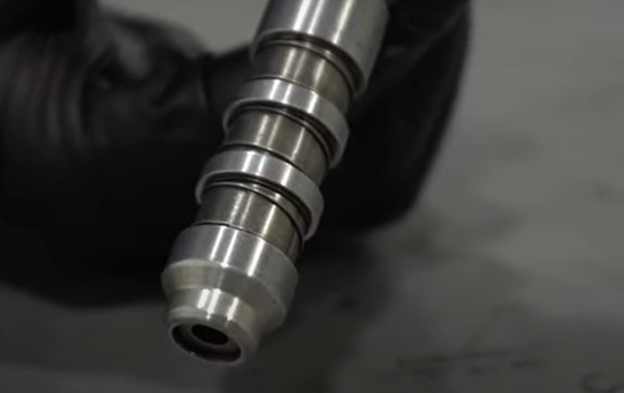
Whether it’s a loader failing to lift, a generator failing to start, or a hydraulic system pressure drop, the real culprit often lies beneath the surface: the solenoid valve. This small yet crucial component controls the flow of fluids and gases that drive the core functions of the machine. In this guide, we’ll walk you through how solenoid valves work, the top ten common problems affecting off-road equipment, and effective troubleshooting steps you can perform on-site. You’ll also learn when to clean, repair, or replace solenoid valves to ensure their reliability.
How Does a Solenoid Valve Work?
A solenoid valve converts electrical energy into mechanical movement. When electricity passes through the coil, it creates a magnetic field that pulls a plunger or armature, opening or closing a passage that controls fluid or gas flow.
In off-road machinery, this mechanism regulates hydraulic or fuel systems, ensuring operations like steering, braking, lifting, or engine control remain precise and efficient.
Typical marine, agricultural, and construction engines use DC-powered coils because these machines rely on battery systems rather than stable grid power. Maintaining clean fuel and consistent current prevents most solenoid valve failures.
10 Most Common Solenoid Valve Problems
Below are the ten problems we encounter most frequently in off-road equipment maintenance—along with the practical fixes operators can apply in the field.
1. Valve Not Opening
Possible Causes:
- Low or unstable voltage supply
- Burned-out coil
- Clogged inlet due to dirt or hydraulic debris
- Incorrect valve pressure range
Fixes:
- Measure the operating voltage; it must match the coil rating.
- Test the coil with a multimeter—replace if no continuity.
- Clean the inlet screens or replace hydraulic filters.
- Ensure operating pressure falls within design limits.
2. Valve Fails to Close Completely
Symptoms: Hydraulic rams drift, or air continues leaking even when the system is turned off.
Causes:
- Worn-out seals or diaphragms
- Dirt trapped between the seat and the plunger
- Magnetized plunger preventing motion
Fixes: Replace aging seals, thoroughly flush the system with recommended fluid, and demagnetize or replace corroded plungers.
3. Sticking or Slow Plunger Movement
Dust, metal particles, and oxidation can cause friction along the valve stem.
Solution: Disassemble the valve, clean all internal components with solvent-safe cleaner, and apply light lubrication. For harsh outdoor environments, use corrosion-resistant materials and replace damaged internals promptly.
4. Burned or Overheated Coil
When coils run too hot, they risk melting insulation or shorting circuits.
Causes:
- Continuous energization without rest cycles
- Wrong voltage rating
- Poor ventilation
Fixes:
- Verify operating voltage rating.
- Avoid energizing the coil for long durations.
- Improve airflow or install thermal insulation.
- Replace coils showing insulation cracks or deformations.
5. Noisy Valve (Buzzing or Humming)
Reasons: Voltage fluctuation, incomplete closing, or loose internal parts.
Actions to Take:
- Stabilize the electrical supply.
- Retighten bolts and fittings.
- Install dampers to absorb vibration.
6. Leaking Valve
Hydraulic leakage around the fittings wastes oil and reduces pressure.
Common Causes:
- Degraded O-rings or gaskets
- Valve body corrosion
- Incorrect torque during reassembly
Repair: Replace seals with manufacturer-approved materials and inspect the housing threads for wear or cracks.
7. Valve Overheating
Even when not burned out, persistent heat can shorten the life of both the coil and insulation.
Solution: Add ventilation or space around the coil and reduce duty cycles. Off-road machines operate in hot, dusty environments, so cooling is crucial.
8. Electrical Connection Failure
Loose connectors or pin corrosion stop voltage from reaching the coil.
Fix: Clean terminals with contact spray, tighten sockets, and use grease to prevent moisture oxidation.
9. Incorrect Fluid or Pressure Conditions
An unsuitable oil type can attack seals or alter valve timing.
Tips:
- Use only fluid grades specified by the equipment manufacturer.
- Monitor system pressure; high surges damage internal seals.
10. Total Solenoid Failure
Sometimes replacement is unavoidable. If multiple symptoms—leaking, no motion, and continuous coil heating—appear together, the internal components may be beyond repair.
When that happens, it’s crucial to choose a reliable third-party replacement designed for off-road conditions.
Here’s where the solenoid valve from FridayParts comes in: built for tractors, forklifts, UTVs, and excavators, these valves meet OEM specifications but cost a fraction of dealership parts. Durable housing, consistent magnet response, and wide model compatibility ensure quick installation and long-lasting operation.
Tips for Preventing Solenoid Valve Failures
Routine prevention is cheaper than repair downtime. Below are the key strategies operators should apply:
- Keep fluids clean. Contaminated oil or water causes sticking components.
- Check coil voltage periodically. Overvoltage burns coils fast.
- Mount valves properly. Install vertically where possible to reduce sediment buildup.
- Inspect seals every quarter. Replace rubber parts showing stiffness or cracks.
- Avoid prolonged activation. Design your control systems to reduce duty-cycle stress.
- Test system pressure regularly. Keeping within manufacturer specs ensures durability.
For heavy-duty applications like loaders or bulldozers, adding protective filters and cooling systems extends solenoid valve service life dramatically.
When to Replace Instead of Repair?
Although most faults can be fixed, sometimes replacing the entire valve is the smarter option. Replace instead of repair when:
- The metal core or body is corroded
- The coil overheats repeatedly
- Internal scoring prevents seal seating
- The body threads are stripped
At that point, installing a high-quality aftermarket replacement from FridayParts ensures stronger reliability and faster machine turnaround than patching aged components.
Conclusion
In the realm of off-road operations, each fleeting instant of machinery cessation exacts a toll upon overall productivity. Consistent inspections, the maintenance of immaculate fluids, and the expeditious substitution of solenoid valves exhibiting signs of aging are indispensable to preserving the exactitude of hydraulic and fuel systems. By the employment of appropriately specified components, one may diminish downtime, prolong the functional longevity of the system, and ensure the uninterrupted execution of every assigned task.